
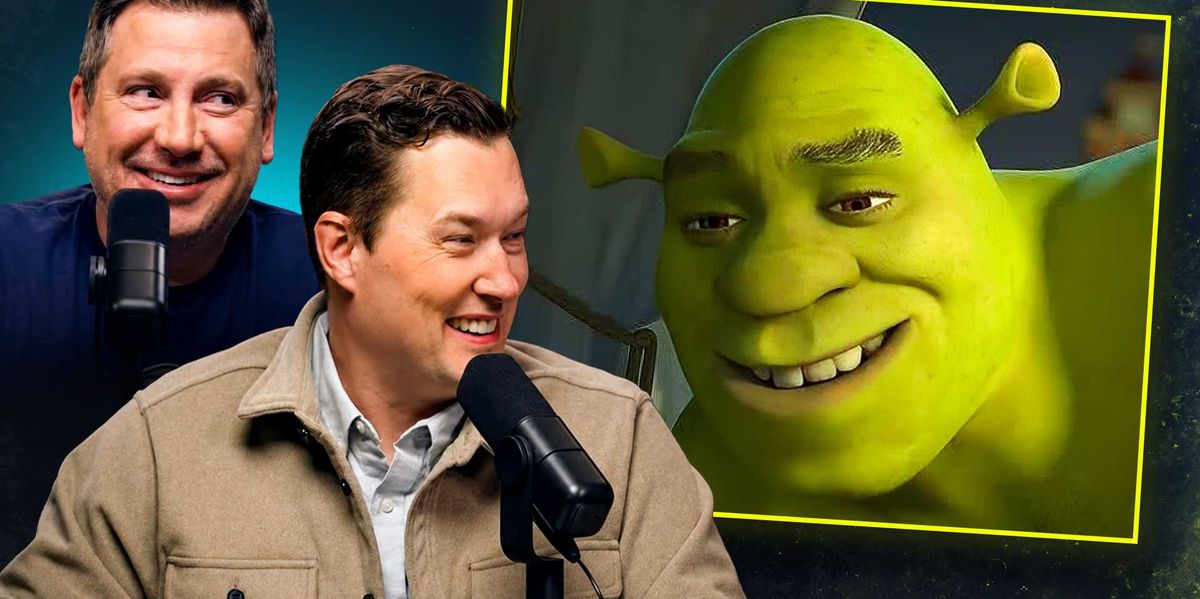
Ohio state Sen. Jerry Cirino became the target of a bizarre, explicit stunt when a left-wing blogger allegedly sent a doctored image and taunting messages after Cirino bowed out of a leadership race, sparking an arrest, a short jail stay, and a blistering on-air takedown by conservative hosts who called out the stunt for what it was: childish, dangerous, and unbecoming of anyone aiming for public influence.
On May 6, Ohio blogger Donald “D.J.” Byrnes is accused of sending a sexually explicit, digitally altered image of Shrek to Sen. Jerry Cirino shortly after Cirino announced he was withdrawing from the race for Ohio Senate president. The message was accompanied by the taunt “Good to see you finally made your final humiliation public, young Mussolini!” and later the poster claimed on social media, “Jerry Cirino has seen Shrek’s dong,” with an apparent screenshot of the text. That kind of harassment is a cheap shot, but it’s also illegal when it crosses into targeted, vulgar intimidation of a public official.
Byrnes was arrested on June 1 on a misdemeanor telecommunications harassment charge after Cirino filed a complaint. He spent about 23 hours behind bars and now faces potential penalties that include up to 180 days in jail and a fine if convicted. This episode shows how online nastiness can escalate into real legal consequences, and how political theater sometimes becomes criminal behavior when someone decides to weaponize obscenity instead of engaging in policy debates.
Before he turned to abrasive blogging, Byrnes tried his hand at politics and failed. He ran as a Democrat for the Ohio House in District 80 in 2018 and lost decisively to a Republican, so his taste for the spotlight didn’t translate into voter support. That background matters: it suggests this wasn’t a private prank but an attention-grabbing move from someone who still wants to be seen in political circles, even if the tactics are juvenile.
Conservative hosts Stu Burguiere and Dave Landau devoted part of their show “Stu and Dave Do America” to dissecting the stunt and the larger cultural problem it represents. They didn’t treat the matter like a prank between friends; they saw it as a deliberate act aimed at humiliating a political opponent, and they called it out in plain terms. The segment lays bare how performative outrage and online bullying are substitutes for argument, and how those tactics damage civic discourse.
On the show, Dave mocked the idea that Byrnes thought he could get away with this while pretending to be politically serious: “He wanted to be a lawmaker, but he didn’t consider this might be illegal,” Dave chuckles. Stu read Cirino’s blunt reply to the text—“I don’t know who this is, but I am certain you’re a moron.”—and the hosts agreed the senator’s short, clear response was exactly what the situation deserved. It’s telling that the insult landed harder than the stunt; voters and viewers care about competence and judgment, not crude attention-grabs.
They also zeroed in on the obvious amateurism of sending a pornographic image from a personal phone and then bragging about it. Dave joked about the lack of even basic anonymity: “Just by watching ‘Breaking Bad’ that came out in ’08, I can tell you there’s burner phones,” he laughed. Stu added that Byrnes’ behavior looked calculated to ensure Cirino would know who sent it, saying it was almost performative—meant to gloat rather than hide.
The financial side of the episode got short, sharp attention as well. Byrnes reportedly paid $350 to get out of jail, a tenth of a $3,500 bail, which the hosts mocked for being a tiny price for making a scene. “I feel like $350 is more than they’ve ever made as a writer,” Dave quips, pointing out the odd economics of online outrage where cheap stunts sometimes buy more attention than steady reporting or sensible debate.
This kind of episode matters because it reveals how the left’s more extreme activists sometimes choose spectacle over substance and become their own worst spokespeople. When the tactic is to humiliate rather than to argue, it backfires with voters who want adults in office, not attention-seeking trolls. The legal consequences here are a reminder that there are limits to what happens in direct messages and that accountability can follow tasteless stunts.
The story is still moving through the system, and it will be worth watching how the case unfolds in court and in the court of public opinion. For conservatives watching, the takeaway is clear: call out the bad behavior, support law and order when harassment crosses a line, and keep holding public figures to a higher standard than what a keyboard warrior will tolerate.
