
College sports are at a crossroads: the old bargain—education, development and competition—is fraying as new money, transfer rules and shifting priorities reward instant wins over long-term growth. This piece walks through how those forces show up, why tennis is a warning sign, what the Arkansas episode revealed, and why the stakes go beyond rosters to the future pipeline of American athletes.
I love college sports and I mean it. Having lived in locker rooms and press boxes, I’ve seen how teams can change a life, not just a record. For decades universities offered a clear trade: learn, compete and grow, all while representing your school. That trade is being tested now in ways most people don’t fully appreciate.
Change is everywhere, and it’s noisy. The transfer portal, NIL deals and conference shakeups push programs to chase immediate returns. Coaches and ADs face pressure to win right away, which tilts recruiting toward experienced, older players who can deliver instant results. When development becomes secondary, younger Americans can get shut out.
RILEY GAINES: COLLEGE SPORTS IS BROKEN – HERE’S HOW TO FIX IT
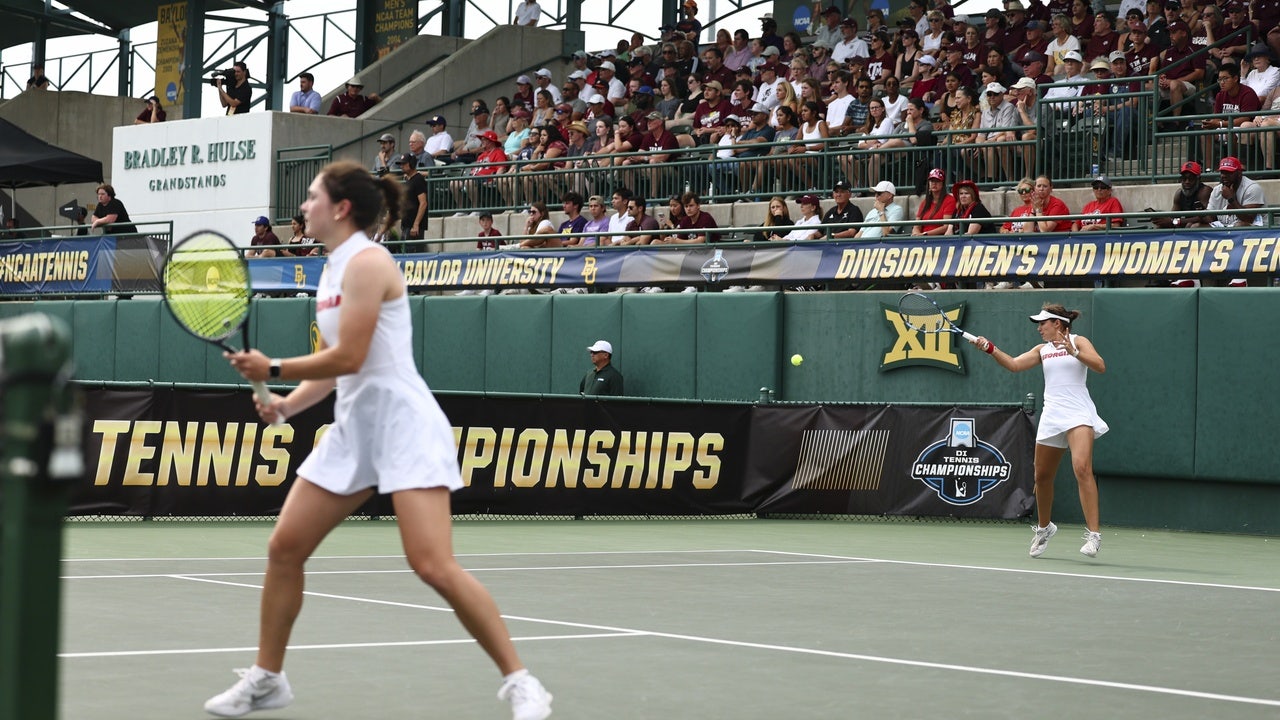
Tennis offers a sharp, early look at what’s happening. NCAA data shows a majority of Division I tennis rosters are filled with international athletes, the highest share of any sport. That’s not a problem by itself—many of those players are excellent students and teammates—but it does change roster math. Suddenly, you see mid-20s athletes lining up against 18-year-old freshmen.
The implications ripple across sports. When rosters fill with seasoned imports, recruiting shifts away from developing local talent. Parents and junior players begin to ask if the pathway they invested in is still worth it. That question matters for every community that relies on college programs to nurture athletes into professionals, coaches and leaders.
COLLEGE SPORTS SEES PIVOTAL MOMENT AS SENATE LOOKS TO MOVE LEGISLATION ON NIL, TRANSFERS ACROSS GOAL LINE
Legislators have noticed. There are bipartisan efforts aimed at putting some guardrails around NIL and transfers, and that conversation is only going to intensify. Policy moves could help rebalance incentives, but lawmakers are not the only answer. Universities must decide whether their athletic departments are part of an educational mission or simply talent shops organized to win.
TED CRUZ, MARIA CANTWELL UNVEIL BIPARTISAN COLLEGE ATHLETICS BILL AMID NIL CHAOS, LAWSUITS, ‘LANE KIFFIN RULE’
The Arkansas tennis scare made the debate painfully real. When a major SEC school announced cuts, people woke up: if a flagship program can be in play, what about smaller sports and mid-major teams? Arkansas reversed course and reinstated the programs, but the financial pressure that sparked the decision didn’t vanish. That was the real alarm bell.
We can value international talent and still insist on development. Many international athletes enrich campuses and elevate competition, and no one wants to close the door on opportunity. The issue is how universities balance recruiting finished products against their role as training grounds. If the latter erodes, the pipeline to elite American teams and Olympic programs weakens.
TOM BRADY IMPLORES PARENTS TO ‘TEACH YOUR KID THE RIGHT VALUES’ AMID RISE OF NIL IN COLLEGE SPORTS
The shift matters off the field too. Public institutions get taxpayer support and alumni donations because they serve an educational purpose. When athletic departments tilt toward instant success, they risk undermining that trust. Fans who care about both winning and opportunity should push for policies and practices that restore balance.
SENATE ADVANCES LANDMARK PROTECT COLLEGE SPORTS ACT, IGNORING SEC AND BIG TEN OPPOSITION WITH CLOCK TICKING
Restoring the developmental role of college sports won’t be painless, but it’s possible. Schools can prioritize freshman opportunity, adjust scholarship strategies and reward coaching that builds players over time. The real test is whether universities choose to protect pathways that helped build American sport or continue chasing short-term gains.
CLOCK IS TICKING AS SENATORS TED CRUZ, MARIA CANTWELL PUSH FOR SEC, BIG TEN BUY-IN ON COLLEGE SPORTS BILL
College sports should be globally competitive and locally generative at the same time. If they aren’t both, something important gets lost: the chance for young Americans to grow through competition. Institutions still have the power to make that choice, but the clock is running and the path back will be harder if the system continues to favor finished products over developing people.
