
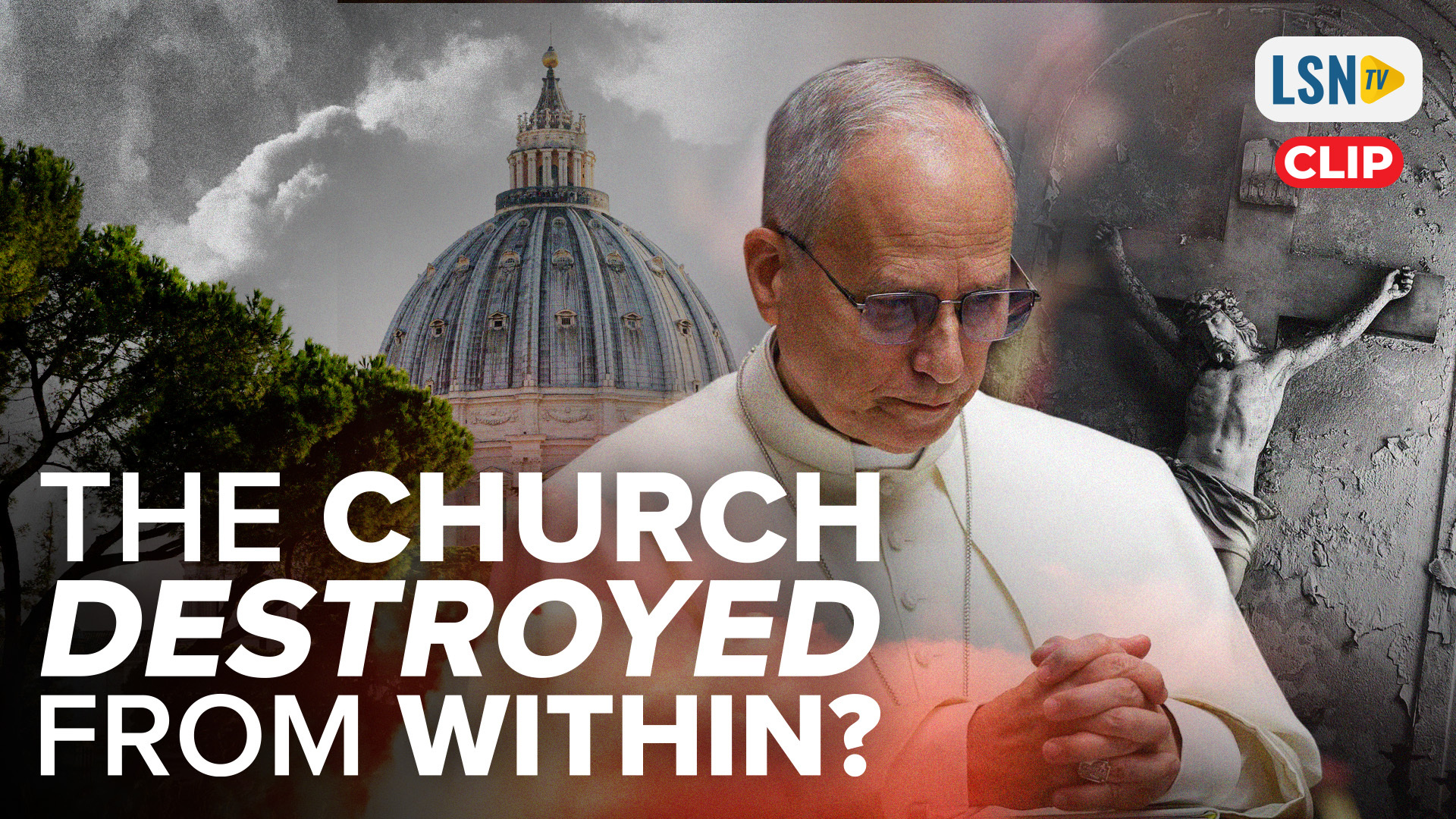
This piece examines a pointed critique from a theologian about the current synodal process, the claims made about its origins, and a public call to action directed at Pope Leo and the Vatican. It lays out the main accusations, the emotional tone of the critique, and what is being urged of the faithful. The article stays neutral in tone while reporting the key claims and the appeal made to Catholics concerned about church direction.
A well-known theologian has come forward with blunt words about the synodal movement and recent leadership. He insists that the movement’s pedigree is misrepresented and that its defenders are mistaken about its roots in Church teaching. These are not tentative observations; they are delivered with a sense of urgency about what the theologian sees as a profound rupture.
He states plainly: “Synodality does not come from Vatican II. This is a lie. This is an invention.” That sentence is presented without qualification and is central to his argument that the current approach is not a continuation of conciliar renewal. The statement functions as a foundational claim for the rest of his criticisms and frames the dispute over origins as decisive.
The commentator also highlights a personal connection to Pope Leo, noting they were classmates and that personal knowledge shapes his view. That closeness is used to lend weight to his charge that the synodal path is not a reform but “destruction from within.” The claim of an inside threat is meant to alarm readers and to suggest the changes are both deliberate and damaging.
Beyond theological genealogy, the critic offers a harsh assessment of recent pontificates, saying the last 13 years have been “absolutely disgraceful.” Those words display the depth of his dismay and show how personal and institutional disappointment have merged in his critique. He portrays the faithful as having been hurt, and he pins much of that hurt on hierarchical leadership.
His language about bishops is vivid and contemptuous: he likens them to jellyfish, saying they have no spine, no heart, no brains. That metaphor is intended to convey helplessness and moral failure among episcopal leaders, and it underlines his call for accountability. The image is designed to provoke a strong reaction and to invite readers to reassess confidence in current leadership.
Accompanying the diagnosis is a clear, practical request to the Catholic community: write to the pope. The call reads as direct and simple—address letters to Pope Leo at Vatican City—and it urges a collective response from those who feel betrayed. The strategy is democratic in feel, asking ordinary Catholics to register their views with the highest office in the Church.
He finishes the appeal with a fragmentary quotation: Say: “We don’t want […]” That preserved fragment signals a larger statement of rejection without spelling out the full text here, and it leaves an open-ended moral protest that readers can complete in their own words. The elliptical ending serves as a rhetorical device to mobilize rather than to script every response for believers.
For readers trying to understand the dispute, the key tensions involve interpretation of Vatican II, the nature and purpose of synodality, and the degree of continuity or rupture represented by recent reforms. The debate mixes historical claims, theological interpretation, and vivid personal judgment, so it is both intellectual and emotional. Observers will need to weigh the factual assertions against wider scholarly opinion and canonical context.
This account does not adjudicate the truth of the charges but reports them in full, preserving the quoted language used by the theologian and noting the concrete steps he urges of the faithful. The scene sketched here is as much about ecclesial identity and authority as it is about procedural change, and it illustrates how deeply contested questions about reform and tradition remain within the Church.
