
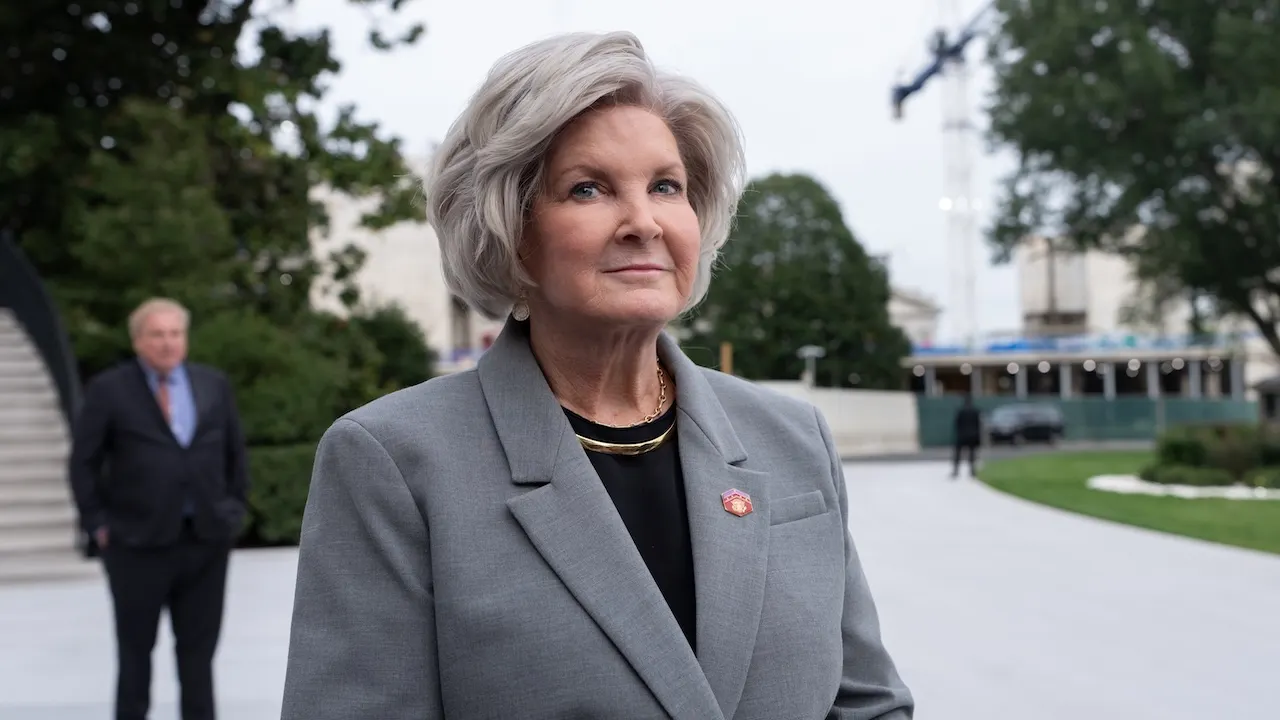
Susie Wiles’ cancer story is the kind that can make anyone stop cold. The White House chief of staff says a routine visit turned into a life-saving moment, because a scan she almost skipped picked up an aggressive breast cancer before it had time to spread. What could have been a very different story instead became one about early detection, grit, faith, and a hard-earned appreciation for ordinary days.
Wiles, 69, became the first woman to hold the chief of staff post in January 2025, and by March 2026 she was facing a diagnosis she never saw coming. She later said she felt fine, kept working, and had no warning signs that anything was wrong. That is what makes her experience hit so hard: sometimes the body stays quiet while trouble is already there.
She said the mammogram happened only because she was at her annual checkup and the machine was available that day. Her doctor suggested getting it done early, even though she was not due for the test for several more months. At first, she wanted to come back later, but he pushed the issue and told her to do it right then.
That insistence changed everything. The scan detected aggressive breast cancer at an early stage, and Wiles says that timing mattered in a major way. Four months might not sound dramatic on paper, but with cancer, those months can be the difference between a manageable problem and a crisis that spirals fast.
She described the mental side of treatment as one of the toughest parts. The physical strain is obvious, but the emotional grind can be relentless, with appointments, test results, and uncertainty always lurking in the background. Wiles said there were hard days, and she did not pretend otherwise, because cancer is not just a medical battle, it is a constant invasion of thought and energy.
Faith played a big role in how she got through it. Wiles said she leaned on God, her family, her friends, and the people around her who carried some of the burden when she needed it most. She also made clear that the support of skilled doctors and nurses mattered just as much as the prayers and encouragement.
Work, surprisingly, became another anchor. She continued doing her job during treatment and said it helped keep her mind from circling cancer every waking hour. In her words, it reminded her that the disease was something she was going through, not the whole of who she was.
Now that she says she is cancer-free, her priorities look a little sharper. Sleep, movement, nutrition, and exercise have moved higher on the list, along with a renewed commitment to doing the basic things that help protect long-term health. That shift is not flashy, but it is the kind that often matters most when someone has been through a scare that close.
Wiles is also using her experience to push a simple message that too many people ignore until it is too late: do not keep putting off routine screenings. It is easy to let work, family, and everyday chaos win the calendar battle, but she says health cannot always wait for a better time. The lesson landed the hardest in her own life because the appointment she nearly delayed turned into the one that mattered most.
For people in the middle of their own cancer fight, her advice is blunt and compassionate at the same time. Let people help. Trust the doctors. Lean on the people who love you, and hold onto whatever source of strength gets you through the day. Even in the middle of fear and fatigue, Wiles says there can still be purpose, joy, and a reason to keep moving forward.
