
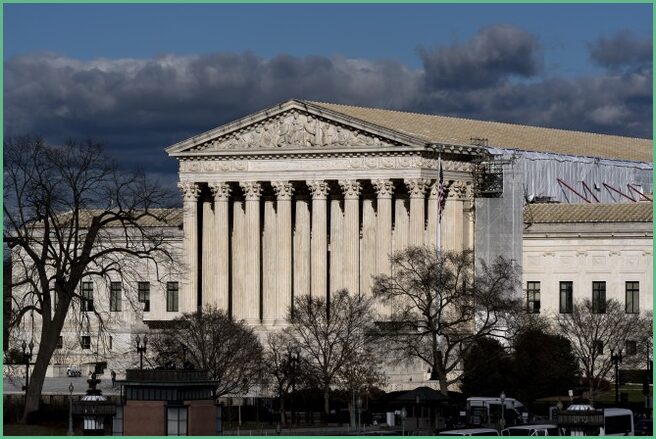
Supreme Court Runs Low on Funding as Schumer Shutdown Drags On
We’re into the 18th day of what critics call the Schumer Shutdown, and the strain is moving from policy fights into the halls of justice. Federal courts are beginning to feel it, and the Supreme Court is no exception. This isn’t some remote bureaucratic pain; it’s tangible strain on case schedules and courthouse routines.
The White House has used the shutdown as leverage, pausing billions in projects that often help Democratic-led states. That move is designed to make the shutdown’s pain visible and political, and it will almost certainly trigger legal challenges. Courts will be asked to referee fights that were made worse by the shutdown itself.
Republicans say Democrats could end this by voting for a clean continuing resolution, but leadership has demanded policy concessions instead, notably expanded Obamacare subsidies. That standoff is what put courts—and courthouse staff—into the middle of a political fight. The result: less money, less staffing, and slower justice.
The reporting on the courts was blunt:
The shutdown of the federal government will begin to affect the operations of the federal court system on Monday, including the Supreme Court, which will shut its doors to the public at a time when the judiciary is confronting a pileup of legal challenges to the Trump administration’s policies.
The Supreme Court will continue to hold oral arguments, process case filings and to issue opinions and orders, a court spokeswoman said in a statement on Friday. But the building will only be open for official business — meaning visitors cannot tour the building and its exhibits.
No tours stings only the tourist crowd, but the operational fallout goes deeper. Case calendars get stretched out, filings pile up, and lower courts will face delays that ripple through the system. Courts that often try to stay impartial will be pushed into managing resource shortages instead.
The Office of the U.S. Courts warned that funding will dry up unless the lapse is fixed, and that warning read like a stop sign. Their language was technical, but the impact is simple—less regular work, more exceptions, and unpaid labor. It’s the sort of pressure that makes routine justice feel precarious.
The judicial branch announced that beginning on Monday, Oct. 20, it will no longer have funding to sustain full, paid operations. Until the ongoing lapse in government funding is resolved, federal courts will maintain limited operations necessary to perform the Judiciary’s constitutional functions.
Federal judges will continue to serve, in accordance with the Constitution, but court staff may only perform certain excepted activities permitted under the Anti-Deficiency Act.
https://twitter.com/uscourts/status/1979238516111421713
A lot of court employees will be expected to keep working without pay, while others will be furloughed. That is what excepted work means in practice, and it’s not a sustainable long-term arrangement for a system that depends on staff. The public will notice delays and feel the consequences in real cases.
Excepted work includes activities needed to perform constitutional functions for the safety of human life and protection of property, the statement said. This and all other excepted work is to be performed without pay, and staff members not performing excepted work will be furloughed, the statement continued.
As days pass, political pressure can shift toward the side that appears unwilling to govern, and voters remember which side refuses to pass a simple funding bill. If Democrats keep trading continuity for policy wins, the institutional damage will grow and the public will take notice. Republicans argue that ordinary Americans and court staff shouldn’t pay the price for partisan demands.
There’s also the irony that some judges who have spent their time issuing blocks against the administration now face the same inconvenience they helped create. Letting those courtroom activists step back for a while may feel like justice catching up to its detractors. Many observers will not mourn lost hours in court if it means policy obstruction finally meets a cost.
