
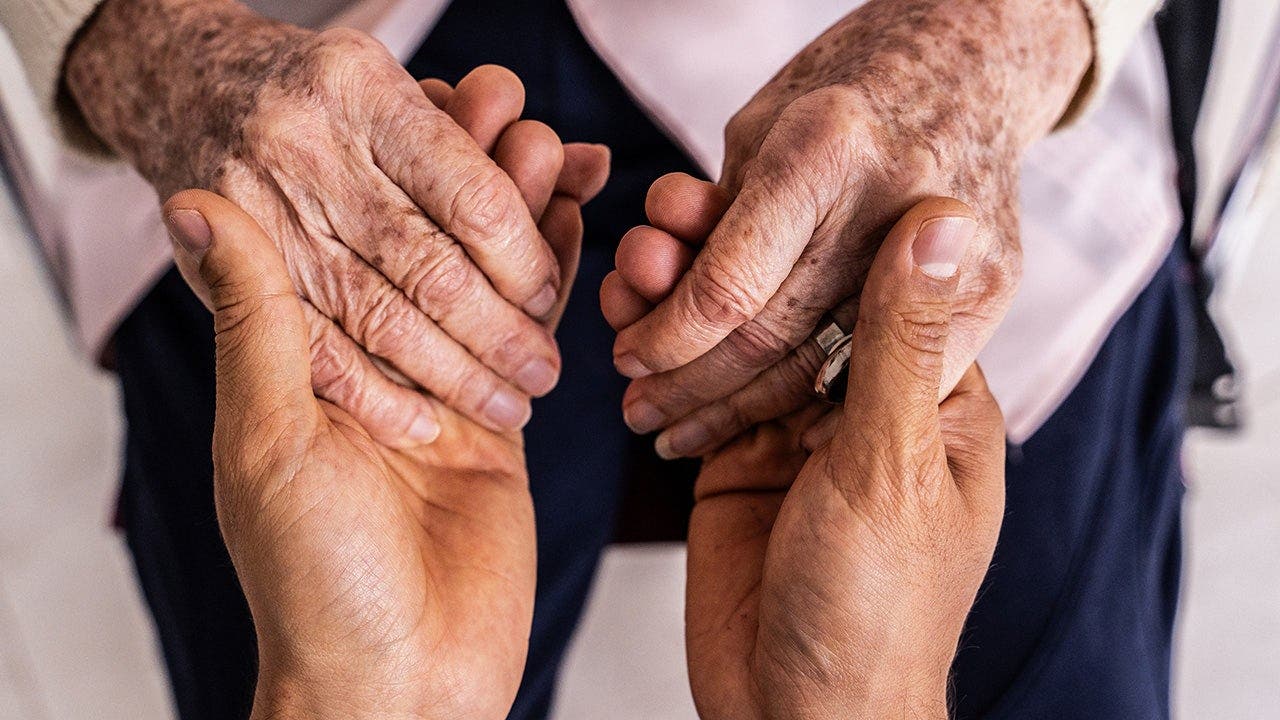
People are living longer across the globe, but a fresh look at the data shows a rougher truth hiding underneath that win. The big issue is the growing gap between lifespan and healthspan, with chronic pain, depression, hearing loss and mobility problems eating up more of those extra years, especially in the United States.
The study behind the warning tracked health patterns in nearly every country and found that the share of life spent in poor health has gone up since 1990. That means modern medicine is doing a better job of keeping people alive, but not always a better job of keeping them well enough to move, think, work and enjoy daily life without constant strain.
Researchers at the Institute for Health Metrics and Evaluation at the University of Washington looked at Global Burden of Disease data from 1990 through 2023 and saw the same trend again and again. In 2023, an average of 14.5% of life was spent in poor health, compared with 13.6% in 1990, and the gap was widest in wealthier countries with better access to life-extending care.
In the United States, the morbidity gap is especially sharp, landing at about 14 years, or 17.8% of expected lifespan. Women still live longer than men, but they also spend more years dealing with chronic illness, which makes the problem less about living longer and more about what those later years actually look like.
The biggest drivers are not mysterious. Low back pain, depression, anxiety, hearing loss, falls and other mostly non-fatal conditions account for a huge share of years lived in poor health, while obesity, high fasting plasma glucose and aging populations add more pressure to the pile.
That’s the frustrating part for doctors and patients alike. We’ve made real progress against deadly threats like heart disease, cancer, trauma and infectious illness, but a lot of people now survive those battles only to spend years wrestling with pain, weakness, sensory loss or reduced independence.
One expert said the real lesson is that medicine has gotten much better at delaying death than delaying functional decline. That distinction matters because living longer is only a victory if people can still walk steadily, stay mentally sharp, hear a conversation and keep some control over their routines.
The researchers made it clear that their findings don’t prove a single cause behind the trend, but they do point to a broad shift in how aging plays out. More survival is good news, yet it also means more time for chronic problems to stack up if prevention and long-term management do not keep pace.
Christopher Murray of IHME argued that the next big goal should be healthier aging, not just longer aging. He said progress should be measured by healthspan, with more investment in prevention, chronic care and steps that reduce the years people spend in poor health.
That idea pushes medicine to focus earlier, before disability becomes obvious. Routine checks for balance, mobility, muscle strength, cognition and hearing could be just as important as tracking blood pressure or cholesterol, because functional decline often starts quietly years before it turns into something obvious.
Muscle and movement deserve more attention too, especially as people get older. Resistance training, fall prevention, maintaining muscle mass and treating chronic back pain early were all singled out as basic tools, not optional extras, because preserving mobility can change the whole course of aging.
Mental health and social connection sit right alongside physical health in that equation. Hearing loss, loneliness, depression and anxiety can feed one another, and once that spiral starts, it can drain independence fast while making everyday life feel smaller and harder.
There is also a cultural piece that often gets overlooked. In many families, older adults stay active as mentors, caregivers and keepers of memory, and that sense of purpose can be a real buffer against loneliness and loss of identity.
By contrast, plenty of older Americans end up more isolated just when connection matters most. Healthy aging, at least in this frame, is not only about genes or medicine, but about staying useful, staying connected and keeping enough strength in the body and mind to keep showing up for life.
