
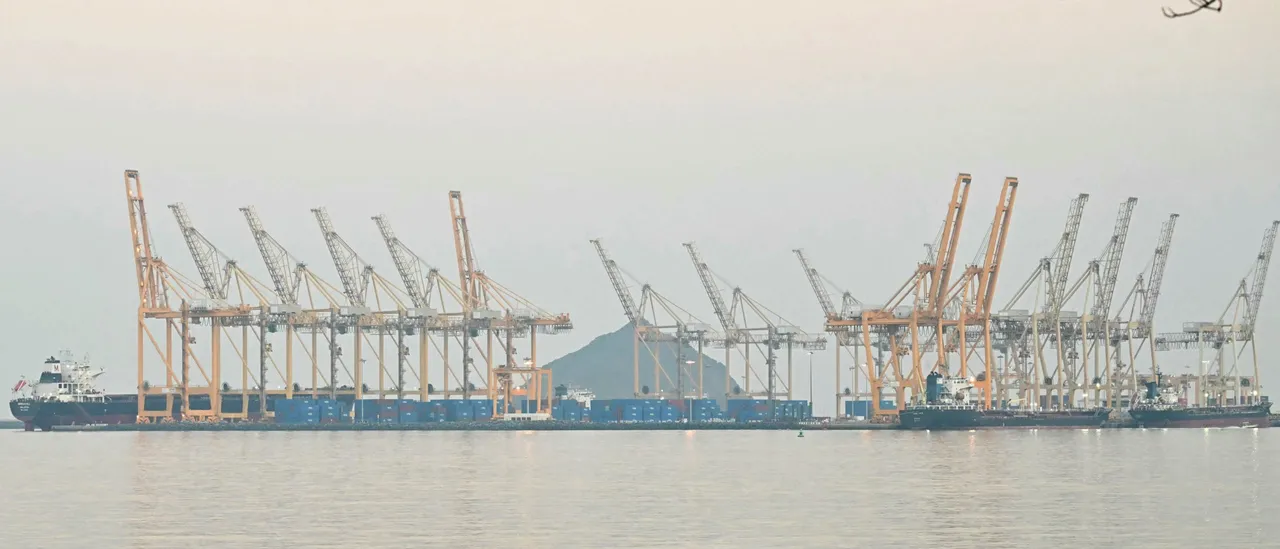
This piece examines rising risks in the Strait of Hormuz and how regional attacks and threats are already reshaping global energy markets, driving prices, straining supplies, and exposing weaknesses in U.S. policy that should prompt urgent changes to shore up America’s energy role abroad.
Recent strikes and threats around the Persian Gulf have made an old warning painfully current: chokepoints matter. When tankers and terminals come under threat, insurers pull back, shipping costs spike, and markets reprice risk almost overnight. Those dynamics are now feeding into higher oil and gas benchmarks that affect consumers everywhere.
The Strait of Hormuz carries roughly 20 to 22 percent of the world’s crude and about 20 percent of global LNG trade each day. A meaningful disruption in that narrow corridor is not hypothetical, it is a direct route to tighter supplies and much higher energy bills. Analysts warn that extended tensions could pull hundreds of millions of barrels from inventories in a short window, squeezing already fragile balances.
Enverus Intelligence Research estimates a risk premium that could add roughly $10 to $15 per barrel to Brent crude if disruptions escalate. Markets have already reacted, and the recent rises in Brent suggest traders are not treating this as a passing blip. If critical export infrastructure like Kharg Island is impaired for any stretch, the pain multiplies and the timing could be brutal for global markets.
Kharg Island remains a potential pressure point that could remove as much as 2 million barrels per day from exports if it is put out of commission. That kind of loss would overwhelm buffers and push spot markets into shock. OECD inventories may be above some averages now, but inventories are not infinite and they can evaporate fast under coordinated disruptions.
Natural gas is facing a parallel squeeze after attacks that targeted LNG facilities and a resulting suspension of volumes from major producers. Qatar’s halt, which removes about 10 to 11 billion cubic feet per day of LNG, roughly 20 percent of traded volumes, has already pushed Asian and global spot prices sharply higher. When global buyers chase alternatives, U.S. Henry Hub and American producers feel the reverberations too.
That global riposte gives U.S. producers an opportunity if policy lets them seize it. U.S. LNG capacity has grown substantially in recent years to become a major supplier to Europe and Asia, supplying stability when other sources falter. This growth came from policy choices and regulatory approvals that allowed new export terminals to be built and shipments to begin.
At the same time, U.S. strategic buffers are not what they used to be. The Strategic Petroleum Reserve remains in the process of rebuilding after large drawdowns, a move critics rightly labeled political when it happened. A thinner reserve means less immediate flexibility to offset large regional shocks that push markets into turmoil.
Permitting delays and restrictive reviews have slowed further expansion of export capacity at a time when global buyers are desperate for reliable supplies. If policymakers continue to hamstring approvals in the name of delay or red tape, the United States will miss a strategic opening to stabilize markets and support allies. Energy leadership on the world stage requires both production and the infrastructure to move it.
Renewables are an important long-term part of the energy mix but they cannot substitute quickly for millions of barrels of lost oil or massive flows of LNG. Shortfalls of that scale demand conventional supply flexibility backed by robust export channels. The pragmatic route is to lean into America’s abundant resources while speeding permit processes and protecting critical shipping lanes.
What happens in the Strait of Hormuz will ripple through economies and affect families at the pump and on utility bills. Policy choices at home determine whether the United States can act as a stabilizing supplier or watch allies scramble for alternatives. The current upheaval is a reminder that energy strategy and national security are tightly linked and need accountable, forward-looking leadership.
