
The latest Michigan race has put religion, identity, and voter reaction under a harsh spotlight, with fresh polling stirring up a wave of surprise and debate. What stands out is not just the numbers themselves, but the way they expose real tensions inside a closely watched political matchup.
Polling in Michigan has turned into a political jolt because it suggests some voters are responding to far more than the usual issues of taxes, jobs, and crime. The religious backgrounds of the candidates have become part of the conversation, and that has sparked strong reactions from people who expected the race to stay focused on policy. Instead, the data has pulled a deeper cultural divide into plain view.
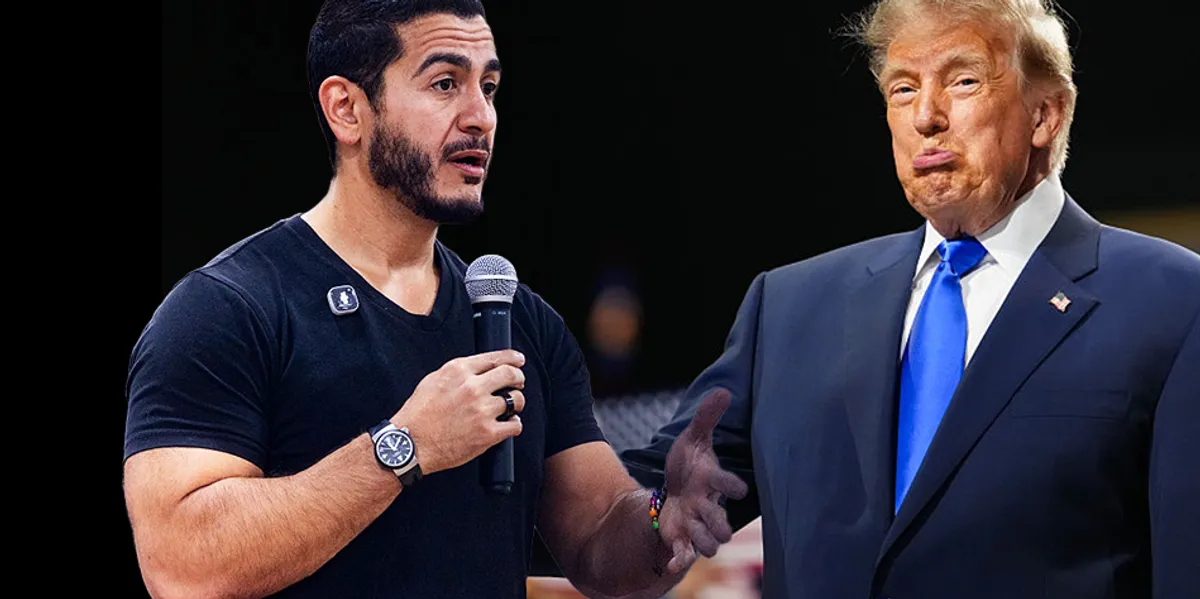
Mike Rogers, a familiar Republican name in the state, is now being compared with Abdul El-Sayed in a contest where faith and public image are getting unusual attention. El-Sayed’s Muslim identity has become a flashpoint, while Rogers is being framed by supporters as a steadier fit for voters who want a more traditional American political profile. That contrast has made the race feel bigger than a simple head-to-head campaign.
The polling response has been especially striking because it cuts against the polished language politicians usually lean on. Voters are not always reacting to resumes and slogans in the neat way campaign strategists hope for. Sometimes they react to instinct, comfort, and familiarity, and this race has made that impossible to ignore.
For conservatives, the reaction from Michigan voters is not shocking at all. Many see it as evidence that people still care about shared values, basic cultural expectations, and whether a candidate feels connected to the state’s mainstream political mood. In that sense, the polling has become less about tolerance talking points and more about how ordinary voters assess trust.
El-Sayed’s candidacy has also raised larger questions about how identity-based politics works when it hits a real election. Supporters may want the conversation to stay on experience and agenda, but voters often process candidates through a wider lens. Religion, background, and personal worldview can shape impressions long before a debate stage ever opens up.
CNN’s reaction to the polling helped amplify the moment, because the discussion clearly landed harder than expected. That kind of response tends to happen when a result challenges the standard media script. When a poll reveals that voters may be thinking in a way the political class finds uncomfortable, the story stops being about numbers and starts being about what those numbers say about the country.
Michigan has long been a state where national politics gets tested in real time, and this race is no exception. It brings together the usual battle over turnout and persuasion, but it also carries a sharper emotional edge because of the candidates’ backgrounds. That makes every new poll feel like a signal, not just a snapshot.
Rogers’ side is likely to keep leaning into the idea that voters want someone rooted in a more familiar worldview, while El-Sayed will push to make the race about leadership and ideas instead of labels. The clash is set, and the polling only made it louder. In a state that often decides far more than its own headline race, that kind of tension can spread fast.
What happens next will depend on whether voters stick with that gut-level reaction or move back toward the usual checklist of issues. For now, the numbers have already done their job by exposing just how raw the conversation is underneath the polished campaign talk.
