
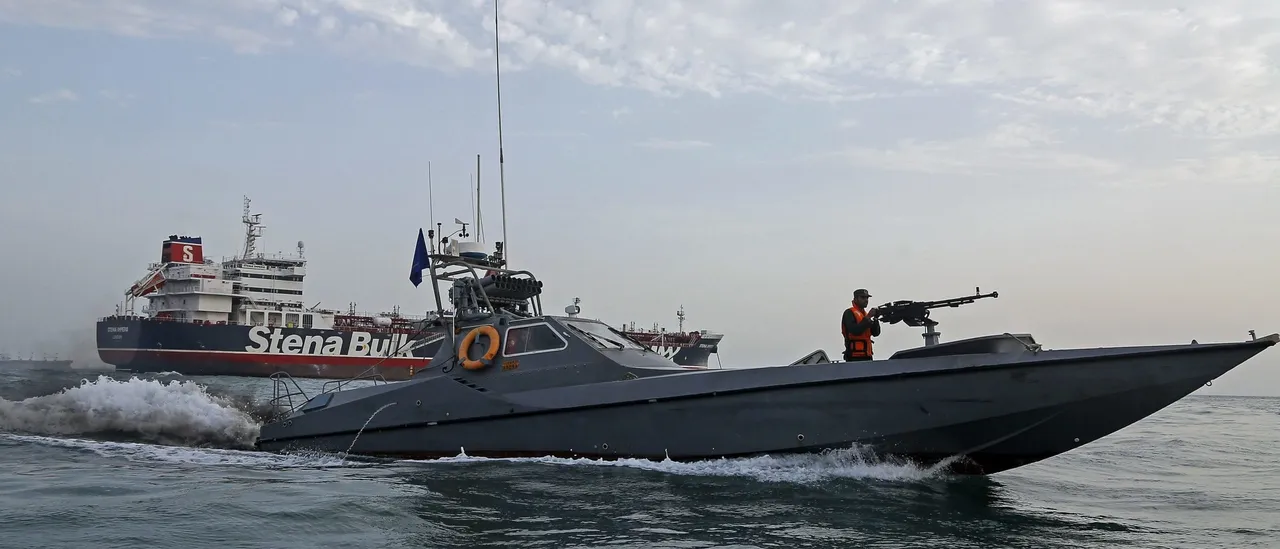
The Strait of Hormuz standoff is a live test of strategy, markets and resolve, and this piece lays out who really pays when shipping lines are choked, why Iran can’t sustain a long blockade and how America’s position changes the calculus. I walk through the market reaction, China’s exposure, Tehran’s self-inflicted harm, regional ripple effects and why U.S. energy independence and military options blunt the blockade’s bite. The tone is direct: this is pressure Tehran can apply short term but not forever, and Washington should respond with clear-eyed policy, not panic.
Markets are jittery and talk of a second oil shock is everywhere, but volatility is not the same as strategic success for Iran. A temporary spike in crude prices will rattle investors and households, yet price moves don’t automatically translate into political leverage. Smart policymakers and traders know to separate short-term fear from lasting structural damage, and that distinction matters for how the U.S. and allies react.
China stands out as the most exposed country if traffic through the strait is restricted, because a sizable share of global seaborne oil funnels through that choke point. Estimates put a large slice of China’s crude imports on routes that run through Hormuz, and its strategic stockpile covers only a few months at steady burn rates. For a Chinese economy already wrestling with a real estate slump and slower growth, a prolonged energy shock would make recovery much harder.
Tehran would pay a heavy price too, perhaps more than it realizes, because its own fiscal health depends on oil sales. Even under severe sanctions a significant portion of Iranian crude has flowed to Asian buyers, with China central to that commerce. Exact figures vary by source, but the point is clear: choking the strait risks shrinking Iran’s export revenue and undermining the very lifeline the regime relies on.
“There is no benefit for Iran to block the Strait of Hormuz. Iran exports crude oil through the strait, and exports to China in particular are the backbone of its economy.” That blunt assessment captures the paradox: using the strait as a bargaining chip also cuts off Tehran’s own cash flow, which makes a durable blockade politically and economically costly for Iran.
Beyond Iran and China, other Gulf exporters pay the toll. Countries that move oil and gas by sea through Hormuz would face disrupted shipments and squeezed revenues, and global buyers would search for pricier alternatives. The region’s interdependence means a single choke point can ripple into wage bills, fiscal balances and investment plans across multiple states.
From an American perspective the pain is muted compared with past eras because of the shale revolution and a large strategic reserve. U.S. oil dependence on the strait is low by modern standards, and domestic production plus the Strategic Petroleum Reserve provide policy space to blunt price shocks. Higher pump prices can hit consumer confidence, but they are far less likely to force a strategic retreat from sound policy or to leave the country vulnerable to blackmail.
Nor should anyone overlook military and diplomatic options. If Iran truly attempted a sustained maritime blockade the United States and partners could impose sea control measures or remove the physical disruptions. That does not mean we rush to combat, but it does mean Tehran cannot assume the United States lacks the capacity or the will to protect the free flow of commerce in a critical waterway. Republicans should press for readiness, clear red lines and coordinated pressure so markets chill out and adversaries learn the cost of escalation.
What’s needed now is a steady assessment of supply risks rather than headline-driven panic, and policies that combine economic pressure, military deterrence and support for allies. Sound analysis will show who actually suffers under a blockade and how best to limit damage to consumers while holding Iran accountable. The goal should be to make a full, long-term blockade an unattractive, impractical choice for Tehran and to keep global energy markets functioning.
