
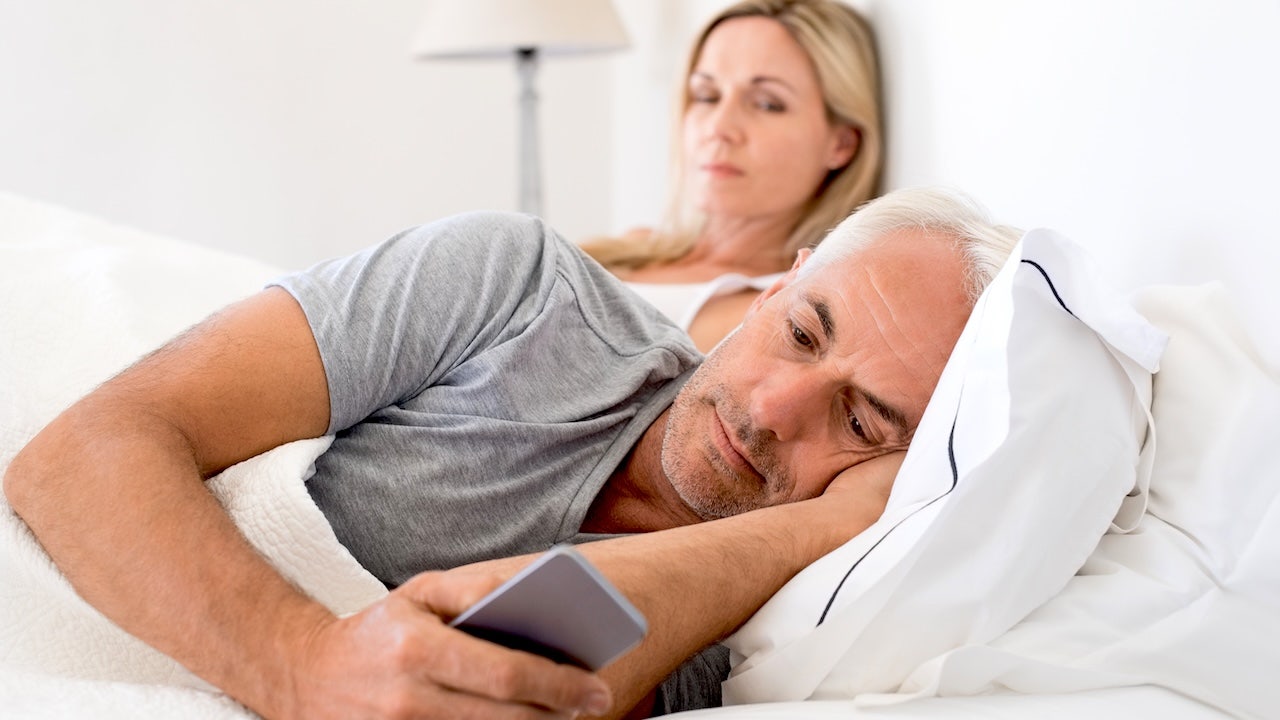
Phones at night are undermining sleep more than most of us admit, and a sleep expert lays out why the habit is so damaging and what one simple boundary can do to help. This piece walks through the science of blue light and emotional stimulation, how social feeds hijack attention, and a practical tip to create enough friction to break the bedtime scroll. Keep an eye on the direct quotes from the expert—her words are preserved exactly.
Dr. Wendy Troxel, a licensed clinical psychologist and senior behavioral scientist at RAND, points to phone use in bed as the top behavior wrecking American sleep. “Most people are aware of this, but probably the No. 1 habit that’s contributing to interrupted sleep and poor-quality sleep in Americans is the use of phones at night, particularly in bed,” she said. That one line gets right to the point: the device itself and the way we use it are both problems.
The harm starts with biology. “There is blue light emitted from our devices, and blue light can suppress the hormone melatonin, which is the hormone of darkness.” Melatonin helps time our sleep-wake cycle, so suppressing it tricks the brain into thinking it is still daytime. That biochemical nudge alone can make falling asleep slower and sleep shallower.
But the issue is not solely about light hitting your retina. “But it’s not just the blue light that is causing sleep disruptions from our phones. It’s really the stimulating content that we’re consuming … (on) social media, which is designed to be addictive, so that you can’t put that phone down,” she added. Those platforms are engineered to keep attention, not to let you switch off, so your brain stays keyed up instead of winding down.
Emotional arousal is a big part of the problem, too. Troxel highlights that the content is often “very emotionally activating,” which is “antithetical to the state we want to be in as we approach sleep.” Late-night arguments, breaking news, or even exciting updates create a physiological response that works against relaxation and sleep onset. The combination of arousal and blue light is a double hit.
Troxel suggests a straightforward boundary that’s both low-tech and surprisingly effective: keep the phone out of arm’s reach while in bed. “About 90% of Americans are using their phones in bed, and as much as I would like to tell everybody to remove the phone entirely from the bedroom, I realize that ship has probably sailed by now.” She acknowledges how ingrained the habit is and offers a realistic adjustment rather than a sermon.
The practical rule she offers is simple to follow and enforce. “I recommend that you try to keep your phone more than arms’ distance away from you while in bed,” she advised. “And set a rule for yourself. If you’re going to use the phone, don’t do it in bed. In fact, make your feet be on the floor if you’re going to use that phone.” That tiny shift forces you to get up if you really must check something, breaking the automatic grab-and-scroll reflex.
That small extra effort is what psychologists call behavioral friction. “As a clinical psychologist, I work with people to help them … break habits that aren’t serving them,” she said. Adding friction makes the immediate, mindless behavior harder, and by doing so it reduces occurrences. “And when that automatic behavior is a little more difficult, it’s less likely to occur.”
If sleep feels elusive, the fix isn’t elaborate: limit light, limit stimulation, and add a real barrier between you and your phone. The guidance here is practical and evidence-informed, offering a tiny behavioral tweak with outsized effects on sleep quality. Try moving the phone a few feet away and watch how the nights change.
