
This piece looks at the rising role of fitness wearables through the eyes of a major sporting moment, medical perspective and the company that makes one popular device, weighing how these gadgets can both help athletes and unsettle everyday users.
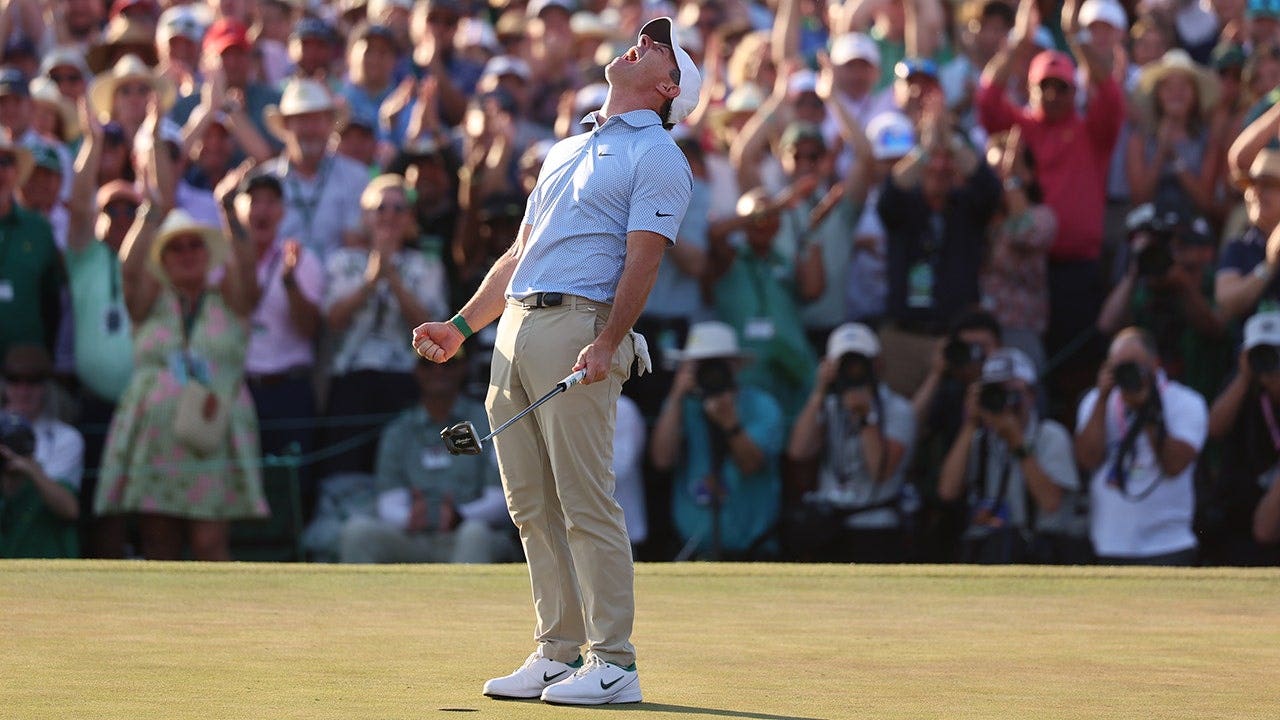
The roar at the tournament was about the win, but attention also landed on a surprising data point: Rory McIlroy’s heart rate while closing out the final hole. His wearable reportedly showed 117 beats per minute on a first putt and jumped to 150 in the celebration, a vivid reminder that numbers follow athletes everywhere now. That raw data kicked off a wider conversation about what these devices do for performance and peace of mind.
On a national morning show, a medical commentator and a host debated whether wearables are public health helpers or a new source of stress. The host explained how rings and watches help him spot recovery gaps and wake up wondering if eight hours really meant restorative sleep. The doctor pushed back, warning that the average person can misread and overreact to these streams of data.
For elite players like McIlroy, the gadgets do double duty: performance metrics and long-term monitoring of a known heart issue. He has been open about a myocarditis diagnosis from his early twenties, and he uses his tracker as a monitoring tool. “I can wear WHOOP, and I can monitor my HRV, my heart rate… just to be able to keep on top of that, it just gives me massive peace of mind,” he said.
The medical guest acknowledged the devices’ usefulness at big sporting events and in professional settings where teams have doctors to interpret outputs. But he added a caution that consumer-grade sensors are not medical diagnostics and can mislead patients outside a clinical context. “I would never recommend a consumer-grade device to track a true medical condition. This is not what these devices are intended to do.”
Sleep tracking is a perfect example of mixed benefit: data can reveal restless nights, but it can also create anxiety about sleep itself. The host described how trackers have helped him notice tossing and turning despite clocked hours, turning otherwise vague feelings into actionable adjustments. The doctor answered that obsessing over numbers can separate someone from how they actually feel and undermine normal body signals.
“When you start losing track of that by focusing on the numbers, not how you actually feel, I feel that disconnects you with your own body,” the doctor warned, adding that a new pattern of worry can emerge. He used the term orthosomnia to describe when people become fixated on sleep stats and develop sleep anxiety because of their trackers. That concern suggests a real behavioral downside to what are marketed as wellness tools.
The host argued these devices have gotten people who once ignored health markers to finally pay attention to recovery and habits. He said many people historically prioritized looks over internal health, and that wearable feedback can open the door to better choices. The doctor agreed that motivation is a clear plus, as long as expectations stay realistic and people treat the tech like any other piece of fitness gear.
“We can treat these devices like we would a new pair of running shoes. You know, if that gets you excited to get an exercise program, why not? Let’s make use of it,” the doctor suggested, framing wearables as potential starting points rather than definitive answers. That framing keeps responsibility where it belongs: with clinicians, trainers and the user’s own judgment. It’s a practical stance that balances enthusiasm with caution.
ARTHUR C. BROOKS DISCUSSES HOW TO FIND MEANING AND HAPPINESS IN A TECH-DRIVEN WORLD
The device maker pushed back on the cautionary notes with measured pride in technological progress, arguing that accuracy and real-world utility have improved. “The characterization of wearables as purely ‘consumer-grade’ fitness tools overlooks the significant advances in accuracy, validation, and real-world utility that devices like WHOOP now deliver.” The company also insisted that discouraging people from engaging with their own data runs counter to a preventive, personalized future for healthcare.
“We believe discouraging individuals from engaging with their own health data runs counter to the future of healthcare, which is increasingly continuous, personalized and focused on prevention,” the spokesperson added. That line reflects an industry argument that continuous monitoring can supplement preventive care when used sensibly. Still, the debate between encouraging engagement and avoiding unnecessary alarm will likely keep these conversations alive across sports, clinics and living rooms.
