
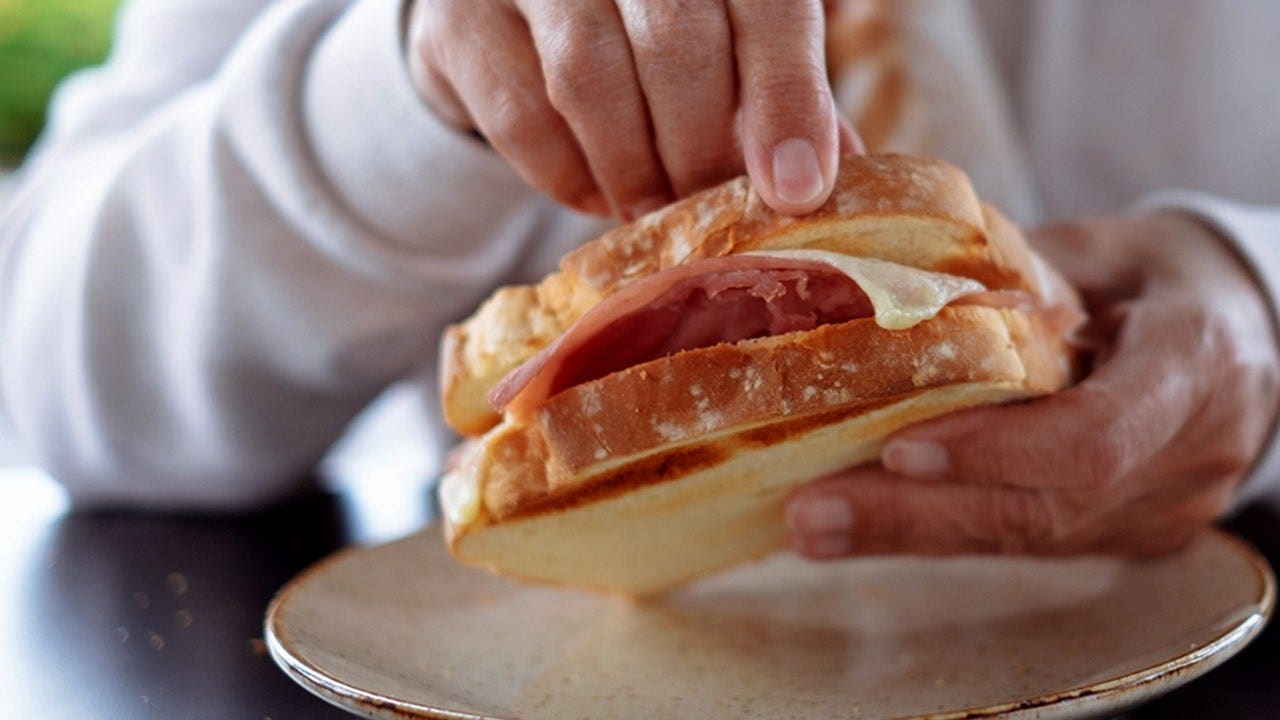
New research from a massive European nutrition study suggests a clearer connection between processed meats and cancers higher up the digestive tract, not just the colon. The results add detail to long-standing concerns about ham, sausage and bacon and point toward more questions about how different meats affect different parts of the stomach and esophagus.
The project tracked the diets and health of roughly 450,000 people across Europe for about 14 years, making it one of the largest investigations of diet and cancer to date. That scale gives the findings weight because patterns can be seen across varied populations and long follow-up periods. Researchers divided cases by tumor location and cell type to try to spot where risks clustered.
During follow-up, 876 participants developed stomach cancer and 215 developed esophageal adenocarcinoma. Stomach tumors were mapped to upper and lower regions of the organ, and pathologists classified tumors as intestinal or diffuse based on how the cells appeared under a microscope. Those distinctions matter because cancers that look different under the scope can behave and respond differently to risk factors.
After accounting for lifestyle differences, the study found that each additional 30 grams of processed meat eaten per day corresponded with about a 9% higher risk of stomach cancer. That same extra 30 grams was associated with roughly a 13% greater risk of esophageal adenocarcinoma. For context, a typical slice of deli-style ham or lunch meat weighs close to 28 grams, so small daily increases add up quickly.
White meat showed a different pattern: an extra 20 grams of chicken or turkey per day was linked to about a 12% higher risk of cancer in the main body of the stomach. Those results are surprising to some because white meat is often viewed as a safer alternative, and they underline that not all meat-related risks are limited to red or processed products. The location-specific nature of the risks hints at distinct biological pathways depending on where tumors form.
The analysis also revealed sex-based differences. Among men, processed meat showed the clearest and most consistent association with higher stomach cancer risk. Among women, both processed meat and white meat were linked to higher risks, suggesting that sex may modify how diet influences cancer development in the upper digestive tract.
These findings sit alongside global assessments from major health bodies that have already labeled processed meat as a human carcinogen, mainly because of colorectal cancer evidence. What this new work does is extend the conversation toward stomach and esophageal cancers, giving researchers a more detailed map of where associations appear and where they do not. It’s a nudge to broaden thinking beyond familiar endpoints.
The study’s authors acknowledge important limitations, chief among them the reliance on self-reported diets, which can be inaccurate over time. Other underlying risk factors, like specific stomach infections and microbial influences, could interact with diet and change risk estimates. Those confounders need to be teased apart in follow-up work to move from association to clearer explanations of cause and effect.
The research was published in the International Journal of Cancer, and it underscores the need for further studies that combine long-term dietary data with biological markers and infection histories. Future research that links food intake to molecular changes and infection status will help clarify why different meats seem to affect different stomach regions and why men and women may experience different risks. That kind of detail will matter for public health guidance and personal choices alike.
In the meantime, the study contributes fresh evidence to a complex picture: processed meats consistently raise red flags, and some data now suggest white meat might matter in specific stomach regions. Researchers, clinicians and consumers will want to follow the next wave of studies that dig into mechanisms and interactions rather than treating meat types as a single, uniform risk category.
