
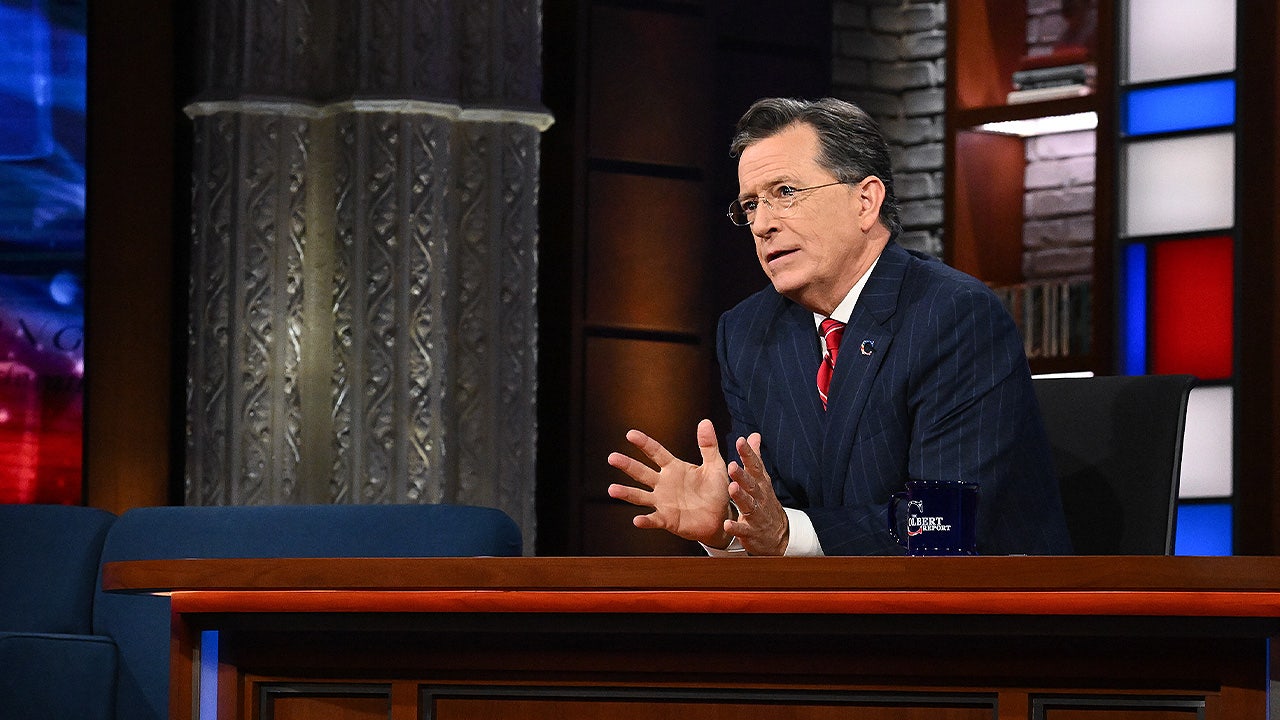
I’ve known Stephen Colbert for years as a fellow late-night presence and occasional sparring partner, and his curtain call has exposed bigger problems than just one host leaving late-night TV: the mixing of partisan performance with corporate maneuvering, the shrinking economics of network comedy, and whether political payback now runs through boardrooms as much as through talk shows.
We go back a long way. I interviewed Colbert many times, I’ve been on his show and he’s been on mine, so I watched his arc close-up. Early on he arrived with a comedian’s timing and a knack for satirical persona work that lifted him from “The Daily Show” to “The Colbert Report” and then to the “Late Show”.
Playing a blowhard conservative on “The Colbert Report” he once turned a piece of reporting about age and Hillary Clinton into a jab at me, twisting context for laughs and ratings. I leaned into it with a mock outrage bit and shot back with a line I still remember exactly: “It’s about time someone took on Stephen Colbert. This guy – a fake anchor if ever there was one – has been maligning hard-working journalists for too long. Journalists like me… Well, two can play this game, buddy.” Some readers took the shtick too literally, but that’s the territory we inhabit.
Even after the caricature days he remained a friendly face when I returned as a guest to promote my book “Reality Show”, though my best lines mostly vanished in the edit while his stayed. He grew into a superstar at CBS for a reason. His blend of intelligence and performance made him a ratings magnet when he leaned into politics hard.
That turn toward partisan commentary became a careful calculation. After hiring producer Chris Licht he went overtly anti-Trump and even jokingly called Trump “the Antichrist”, which boosted his numbers. But doubling down on one side of the audience has costs. You trade broader appeal for a fervent base, and that base does not always translate to sustainable ad revenue or corporate comfort.
Colbert publicly accused his network of taking “a big fat bribe” over a settlement tied to a “60 Minutes” segment, and that argument crashed into a complicated corporate chess game. CBS’s cancellation came amid an acquisition process and corporate deals where money and influence move in shadowy ways. The result felt less like a tidy business decision and more like political retaliation packaged as finance.
CBS made the cancellation into a spectacle, pouring star-studded tributes into his last weeks with guests from Tom Hanks to David Letterman who helped stage a theatrical send-off. Colbert used the platform to lambaste the brass as the cameras rolled, which only intensified the narrative of a messy breakup. Meanwhile Jimmy Kimmel and Jimmy Fallon ran reruns in solidarity, while the theater lights shone on a show being retired more for corporate math than creative failure.
The cold numbers matter. His “Late Show” was reportedly losing tens of millions a year, and late-night at 11:35 p.m. no longer commands the audiences of Carson or Leno. Clips matter more than whole shows now, and younger viewers find highlights on phones, not live broadcasts. Colbert, Kimmel and Fallon still draw in the low millions, which is decent in today’s splintered market, but it doesn’t cover the old cost structures.
CBS plans to replace him with Byron Allen, who says he will avoid politics and is even paying for airtime, a move that underscores how much the business side has eclipsed creative tradition. That swap signals a broader shift where prerecorded, niche-friendly programming and paid blocks can outbid expensive nightly satire. For those of us who grew up on appointment television, that reality feels like the end of an era.
None of this means Colbert’s career is over. He has money, name recognition and a loyal following that will follow him to new platforms. But his farewell provoked a pointed question about how partisan late-night entertainment both feeds and is eaten by the modern media ecosystem, where corporate deals and political allegiances can decide who stays on the air. The late-night landscape is smaller and meaner, and networks have never been more willing to pull the plug when the ledger tells them to.
