
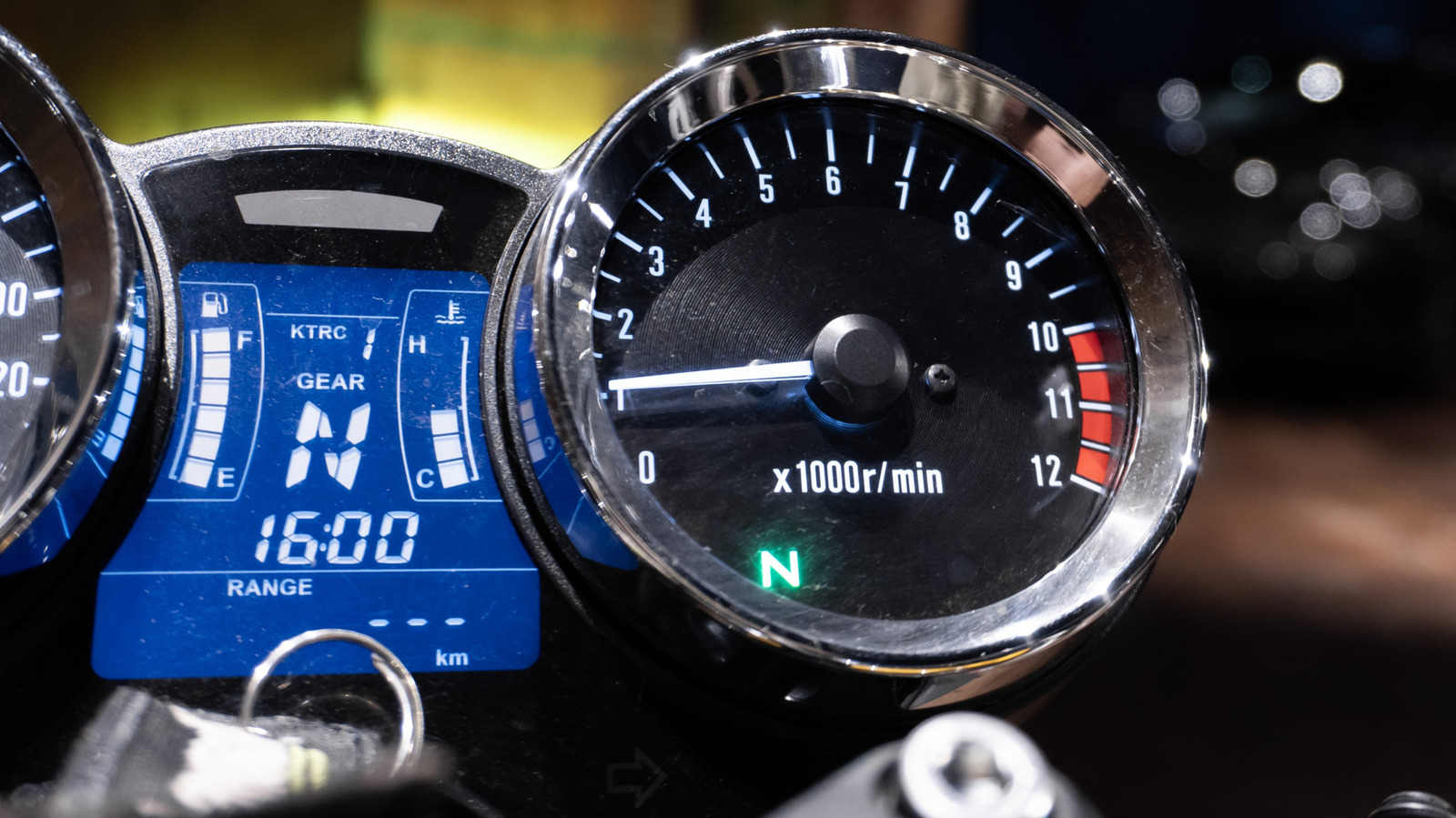
Modern motorcycles ride on a near-universal idea: a standard foot-shift layout that most riders expect. That wasn’t always how things worked in the United States, where early machines, cultural preferences, and manufacturer choices produced a patchwork of gearbox layouts. This piece traces how quirky, sometimes awkward designs faded as safety, rider economy, and global influence pushed the industry toward a single, familiar pattern.
In the early days of American motorcycling, manufacturers experimented freely with controls. Some bikes used hand-operated shifters mounted on the tank or the side of the gearbox, while others put the shift lever on the right foot. That variety came from infancy in engineering, regional habits, and the fact that the industry hadn’t settled on a universal user interface for two-wheelers yet.
Rider behavior and practical concerns shaped many of those layouts. Couriers, racers, and commuters showed that certain arrangements were faster or safer during stops and starts, and riders naturally gravitated toward what felt intuitive for their environment. At the same time, different builders prioritized different trade-offs: simplicity for repair, low cost for buyers, or performance for competition machines.
The shift toward standardization gained momentum as more bikes crossed borders and technology spread. Imported motorcycles, especially from manufacturers who built at massive scale, brought consistent patterns that many new riders learned on. That shared experience made it harder for small producers to keep oddball setups and nudged the market toward a single, widely recognized layout.
Manufacturers also started thinking about liability, training, and rider safety in a more organized way. A predictable control layout reduces mistakes, especially for riders who switch machines regularly. When police, delivery services, and motorcycle training schools needed reliable performance across different makes and models, consistency stopped being optional and started to matter commercially.
Today’s standardized layout exists because the industry and riders found common ground: it’s safer, more ergonomic for everyday use, and easier to teach. Even so, vintage bikes and customs preserve the memory of those experimental days, reminding us that the motorcycle you hop onto now is the product of decades of trial and error. The history is a practical story about how real-world use and shared expectations can turn a jumble of designs into one dependable standard.
