
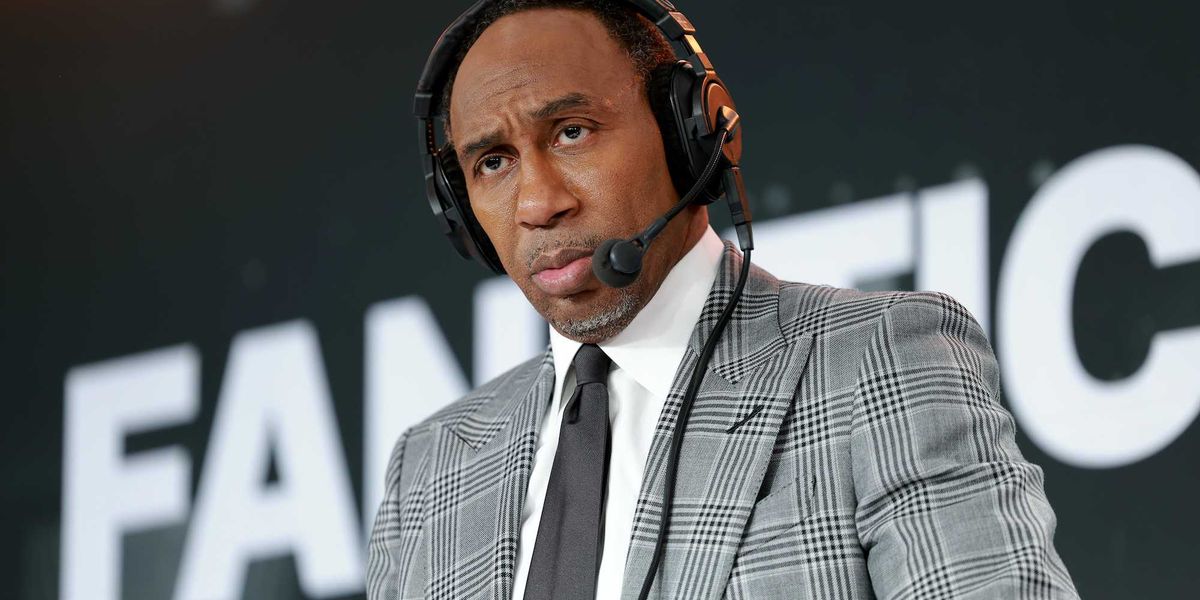
Stephen A. Smith is back in the spotlight for revisiting a sharp comment he made years ago about vaccine skepticism, and the moment has stirred up fresh debate about how public figures handle their words when the climate changes. The story sits at the crossroads of sports, politics, and the long shadow of COVID-era arguments, with Smith now sounding more reflective than confrontational.
Back when the vaccine fight was at full tilt, Smith didn’t hold back. He blasted one player’s skepticism in blunt terms, calling it “flat-out stupid,” a line that landed hard and stuck around for years. Now, after time has cooled the temperature a bit, he’s acknowledging that the situation was more complicated than the instant outrage of that moment allowed.
That kind of reversal always gets attention because it touches a nerve. People remember the pandemic years as a time when certainty was sold as wisdom, and anyone who pushed back was often treated like a problem instead of a person with questions. Smith’s new tone suggests he sees that tension more clearly now, especially when looking back at how harsh the conversation could get.
What makes this even more interesting is the way sports personalities became part of the broader cultural fight. A basketball issue was never just about basketball once COVID rules, public pressure, and personal choice entered the room. Athletes were expected to answer like health experts, and commentators were expected to judge like they had all the facts in hand.
Smith’s remarks years ago fit that atmosphere perfectly. He was speaking the language of certainty that was everywhere at the time, when disagreement was often treated as defiance and nuance didn’t get much airtime. But time has a way of sanding off those hard edges, and his apology shows he’s willing to admit that a lot of people were operating under stress, confusion, and incomplete information.
That doesn’t automatically erase the original criticism, but it does change how people hear it now. In the moment, a lot of these vaccine battles were framed as simple morality plays, with one side supposedly enlightened and the other side dismissed as reckless. Looking back, the real picture was messier, and plenty of Americans can see why someone might want to rethink the language they used.
The fact that this is coming from a major sports voice matters too. Stephen A. Smith has built a career on bold takes, loud opinions, and the kind of energy that keeps people watching even when they disagree with him. When someone like that steps back and says, in effect, “I got ahead of myself,” it tends to land harder than a quiet apology from someone less visible.
There’s also the larger issue of accountability in public life. Too many commentators act as if being confident is the same thing as being right, and the pandemic exposed how fast that attitude can age badly. Smith’s rethink doesn’t solve every argument from that era, but it does give people a reminder that humility beats chest-thumping every single time.
At the same time, the reaction to his apology is likely to split along familiar lines. Some people will say it’s overdue, while others will appreciate that he said it at all instead of doubling down forever. That tension is exactly why these moments keep getting attention, because they reveal how much the public still cares about honesty after a period when so many voices were talking past each other.
For viewers who followed the original controversy, the quote “flat-out stupid” is probably the part that still echoes most loudly. Strong words have a long shelf life, especially when they were tied to one of the most charged health debates in recent memory. Smith seems aware of that, and his willingness to revisit it suggests he understands the difference between having an opinion and having perspective.
And that’s the real draw here. A sports commentator once fired off a brutal judgment, then came back years later with a more measured view, and that shift says a lot about how public discourse has changed since the worst of the pandemic fight. The conversation around vaccines, trust, and personal choice may never fully calm down, but moments like this show that even the loudest voices sometimes pause, look back, and admit the story was bigger than they first wanted to make it.
