
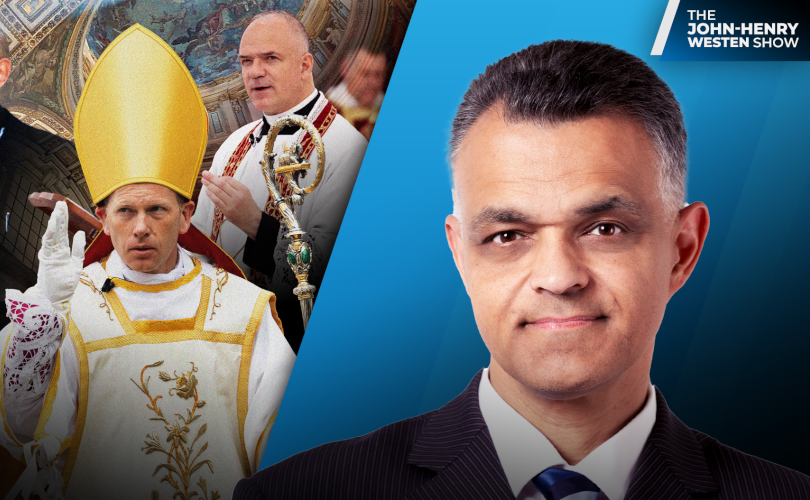
John-Henry Westen spent a week in Écône for the Society of St. Pius X episcopal consecrations and came away struck by the mix of beauty, sacrifice, and simple joy that framed every moment among clergy and faithful families.
Walking into the chapel felt like stepping into a different rhythm of time, where ritual and silence held their own weight. The visual of vestments, candles, and steady incense gave the place a gravity that was hard to miss and easy to respect. People moved with purpose, not hurry, and that steadiness set the tone for everything that followed.
The liturgy itself was a study in contrast to the modern. Latin prayers, ancient chants, and precise gestures created an aesthetic that demanded attention and rewarded it with a sense of continuity. It wasn’t about nostalgia alone; the rites carried a clarity that pointed to a deeper sense of belonging and order.
Beyond the ceremonial, there was a clear thread of sacrifice running through the week. Priests and bishops showed long hours, quiet endurance, and a willingness to shoulder burdens that most parishioners never see. Families around them offered practical support and steady faith, a reminder that clerical life is threaded into a wider web of domestic devotion.
But alongside seriousness, joy kept peeking through. Children ran in the courtyards, voices lifted in simple songs, and old friendships were renewed over modest meals. The happiness wasn’t flashy; it was the kind that springs from shared conviction and the comfort of community, and it lent warmth to austere surroundings.
The consecrations themselves carried weight beyond the ceremony. Ordaining bishops in that setting felt like an assertion of continuity, a reinforcement of teaching authority and pastoral care for communities that prize tradition. For those present, the event confirmed a sense of ongoing mission rather than merely marking a day on the calendar.
There was also an undercurrent of challenge, because upholding a visible, countercultural form of worship invites scrutiny and friction in the wider world. Yet that tension seemed to sharpen rather than dim the witness. People there treated fidelity as something active and demanding, not passive or ornamental.
What lingered most was a human image: a congregation not defined by size or spectacle but by the steady exchange of service and gratitude. Faces in the crowd showed relief, contentment, and a kind of resolute peace, the kind that comes when belief and practice align. That quiet cohesion proved as memorable as any ritual flourish.
Walking away from Écône, the impression wasn’t of an isolated enclave but of a community with roots and reach, where beauty, sacrifice, and joy coexist in a way that feels both ancient and urgently alive. The week left a record of small gestures and big commitments that spoke louder than any single sermon.
