
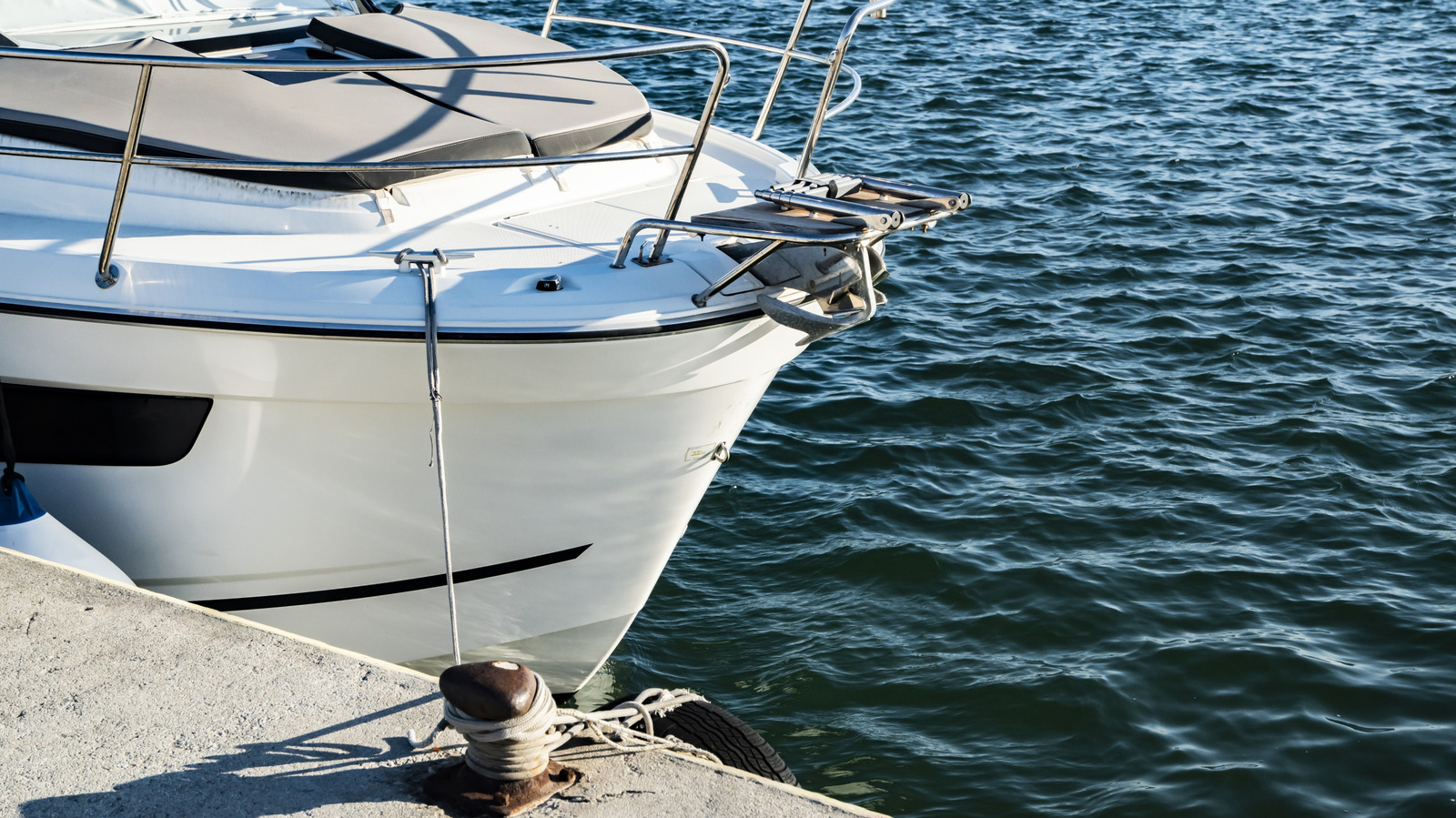
Spring lines do one job really well: they keep a boat from creeping forward or sliding back when it’s tied up. That simple control matters a lot at the dock, where wind, current, wakes, and passing traffic can shove a hull around in a hurry. Used correctly, these lines bring stability, reduce strain on other ties, and help protect both the boat and the dock from ugly contact.
The big idea behind spring lines is movement control, not just parking the boat in place. A boat can still swing, drift, or shift even when it looks secure, and that kind of motion can turn a calm tie-up into a headache. Spring lines cut down on that fore-and-aft shuffle, which also lowers the odds of someone losing balance while stepping on or off.
There are two main kinds: forward spring lines and aft spring lines. A forward spring line helps stop the boat from backing up, while an aft spring line keeps it from moving ahead. When both are set properly, they work together like a quiet brake system for the boat at the dock.
Where those lines connect matters just as much as the lines themselves. Depending on the boat and the dock setup, attachment points can include the bow, stern, midship cleats, or dedicated spring cleats. The goal is to place the line so it can resist the boat’s unwanted movement without creating awkward angles or extra strain.
Boats over 55 feet usually need a more structured tie-up plan, with four main points and additional cleats along the sides. In that setup, spring lines are typically used from the rear of the boat toward a dock point forward of the vessel, and from the bow toward a point farther back along the dock. That arrangement helps pin the boat in a stable position instead of letting it wander with every little push from the water.
Spring lines also play nicely with breast lines, which run more directly between boat and dock. Breast lines help keep the boat snug alongside the pier, while spring lines fight the forward-and-back motion that can wear things down over time. Together, they create a much steadier tie-up than any single line can manage on its own.
Strong hardware is part of the equation too. Cleats need to be the right size and firmly mounted, because a line is only as dependable as the point holding it. If the cleats are weak or the line is too short, the whole setup loses the toughness needed to handle real docking pressure.
Material choice matters as well, and nylon is a popular option for good reason. Its stretch helps absorb shock loads, which is useful when waves or wakes hit a moored boat and the tension changes fast. That bit of give can soften the jolt on both the vessel and the dock, making the whole system less jumpy and more forgiving.
Spring lines may not look flashy, but they’re one of those boating basics that earn their keep every time conditions get messy. A boat tied with the right spring line setup feels calmer at the dock, behaves better under pressure, and stays far less likely to knock, scrape, or lurch at the wrong moment. In boating, that kind of quiet control goes a long way.
