
• Trump’s sharp criticism of John Cornyn over a Texas judicial nomination
• The blue slip tradition and how it can stop a nominee cold
• Elliot Gaiser’s background and the case for his confirmation
• Cornyn’s pushback and his concerns about consultation and vetting
• Ted Cruz’s support for moving quickly on judicial picks before time runs out
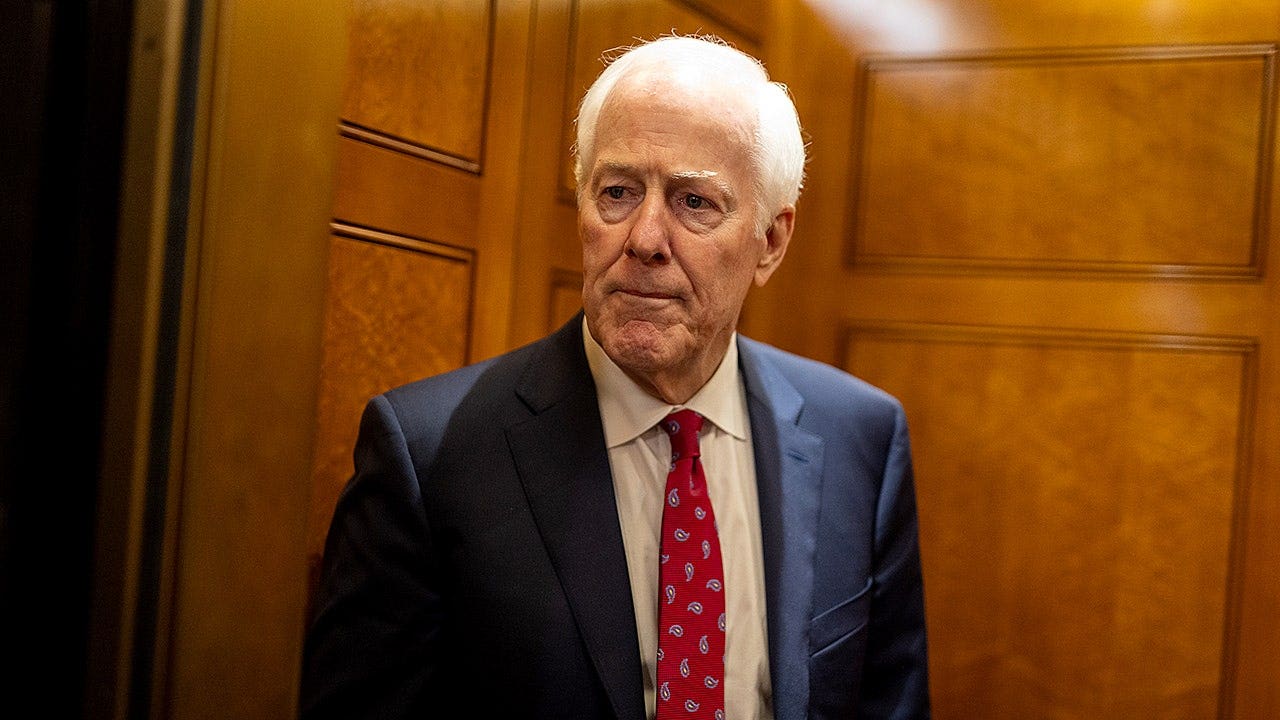
President Donald Trump is taking direct aim at outgoing Texas Sen. John Cornyn after Cornyn refused to back the administration’s pick for a federal judgeship in Dallas. Trump called the move a “tremendous disservice” and argued that the fight could leave the seat open for a far-left replacement instead of a conservative choice.
The dispute centers on T. Elliot Gaiser, a senior Justice Department lawyer nominated for the U.S. District Court for the Northern District of Texas. Cornyn said he would not return the “blue slip,” the long-standing Senate courtesy that gives home-state senators a powerful say in judicial nominations and can effectively stop a pick from moving ahead.
For Trump, the issue is bigger than a single name on a piece of paper. He said Gaiser was being stalled for the wrong reasons and insisted the nominee was strong enough to handle the job, while also accusing Cornyn of acting out of hurt feelings after losing ground in Texas politics.
The blue slip tradition has become one of those quiet Washington tools that can create a huge roadblock without much noise. If a senator keeps the slip, the nomination can be frozen, and that is exactly what happened here as the fight over the Dallas vacancy turned into a full-blown Republican family feud.
Cornyn fired back on X with a pointed defense of his position. He questioned why the White House waited until after the midterms to make the nomination, argued that Gaiser was a non-Texan with limited ties to the state, and said the process lacked the consultation needed for a lifetime judgeship.
He also said he wanted to work with Trump to fill the seat while Republicans still held the Senate majority. Cornyn pointed to another candidate he had already advanced through a bipartisan judicial review process and said an FBI background check was all that remained to move that option forward.
Ted Cruz jumped into the fight too, and he did not hold back. He described Cornyn’s move as “really frustrating” and said he personally asked Cornyn on the Senate floor to meet with Gaiser and consider the nomination on its merits.
According to Cruz, Cornyn would not even sit down with the nominee. Cruz said the exchange got heated fast, with Cornyn growing angry and shouting as the two clashed over whether the Dallas seat should be filled before the political window closed.
Cruz framed the whole episode as a race against the clock. He said Republicans understood that judicial confirmations could get much tougher once Democrats gained more power, so the party needed to move fast and lock in as many judges as possible before the year ended.
He also defended Gaiser’s credentials in plain terms. Cruz said Gaiser had clerked for Supreme Court Justice Samuel Alito, served as a state solicitor general, and was now leading the Office of Legal Counsel, a post that puts him near the center of constitutional advice inside the executive branch.
The Texas senator went even further, saying he had interviewed Gaiser himself and found him “incredibly principled, smart, capable, ready.” That kind of praise put more pressure on Cornyn’s decision, especially with the seat already vacant and no easy fix waiting in the wings.
Trump’s frustration with the Senate’s nomination process is hardly new, but this standoff adds another layer to the fight. The Dallas seat has turned into a symbol of how one senator can shape the federal bench, and how quickly party loyalty can crack when judicial power, state politics, and Washington ego all collide.
