
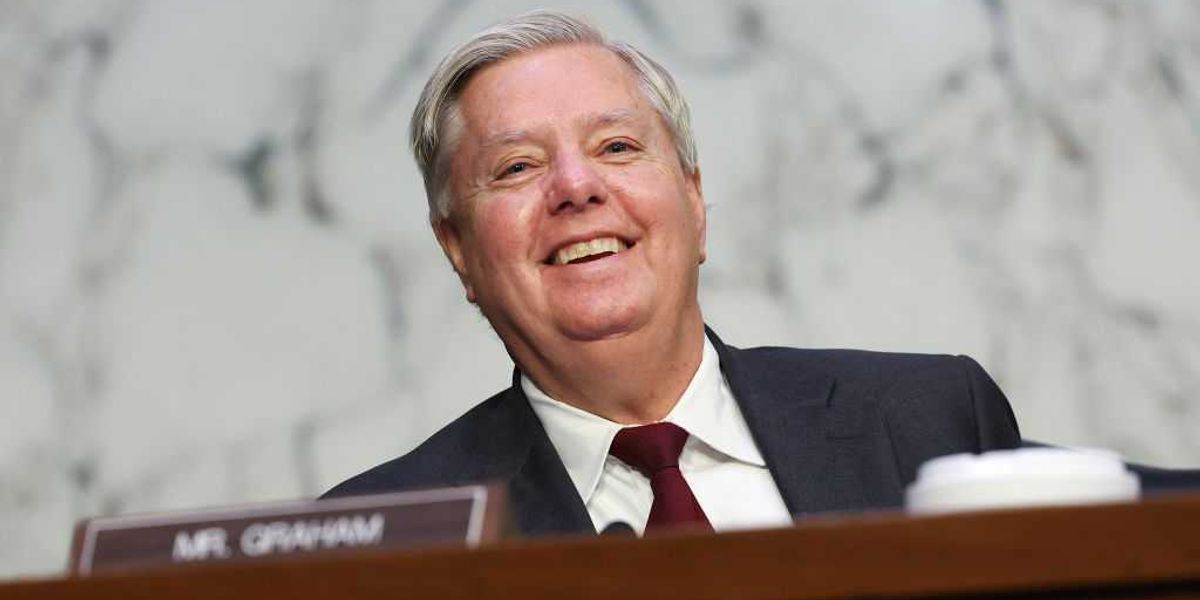
South Carolina Republicans are already staring down a brutal Senate fight, and the field could get crowded fast. If Lindsey Graham is no longer in the picture, the race to claim his seat will likely turn into a high-energy contest full of familiar names, sharp elbows, and plenty of movement inside the GOP.
Any open Senate seat in South Carolina instantly becomes a major political prize, but this one would carry extra weight because of Graham’s long shadow. Republican voters in the state tend to reward candidates who can mix conservative credibility with a fighting edge, and that balance could shape who rises, who fades, and who gets stuck on the sidelines.
One name that could matter is Nancy Mace, who has built a profile around being blunt, visible, and willing to punch back. That style plays well with a lot of Republican voters who want someone less polished and more aggressive, especially in a state where straight talk usually travels better than careful spin.
Another possible contender is Lt. Gov. Pamela Evette, who would bring a different kind of pitch to the race. She has the kind of statewide experience and establishment ties that can help in a GOP primary, especially if donors and elected officials start looking for a candidate they believe can hold the seat without drama.
Then there is Annie Andrews, a name that would force Republicans to take the general election seriously from the start. Even before the primary is settled, any serious challenge from the other side would push the eventual GOP nominee to stay sharp, stay disciplined, and avoid giving away easy openings.
A South Carolina Senate race like this would not just be about personalities. It would turn into a test of how much the Republican base wants a fighter, how much it wants a familiar brand, and how much room there is for a candidate who can unify different wings of the party without sounding watered down.
That kind of primary can get messy in a hurry. One candidate may lean hard into national conservative themes, another may focus on state-level competence, and another may try to claim the lane of being the most effective Trump-style voice without sounding like a copy of everyone else.
For voters, the appeal is that the field would not be boring. A race involving Mace, Evette, and possibly other strong contenders would create a real contrast in style and strategy, which usually means sharper debates, more attention, and a clearer picture of where Republican power is heading in South Carolina.
The stakes are bigger than just one seat. A Senate opening in a deep-red state can reshape ambitions across the statehouse, pull in national money, and reset alliances among lawmakers, donors, and activists who all want a hand in picking the next standard-bearer.
Republicans in South Carolina also know that the early favorite is not always the final winner. Name recognition helps, endorsements matter, and fundraising can change the tempo quickly, but the candidate who connects best with primary voters often wins by staying clear, tough, and in step with the mood of the party.
If Graham’s departure does set off a true scramble, expect the campaign to move fast and get personal. In a state where GOP voters pay attention and don’t like being told what to think, the battle for his seat could become one of the loudest and most closely watched political fights in the country.
