
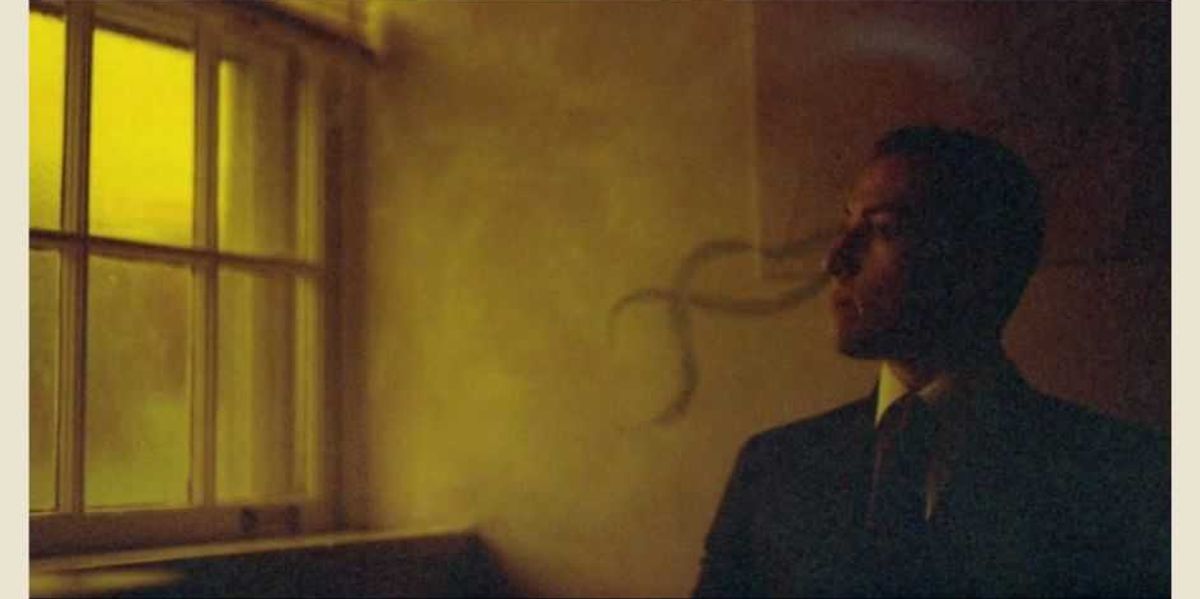
Film photography is finding fresh life in a very modern way, with people rallying around a simple promise that cuts through the noise: never AI, always reality, only film. That message has become bigger than a slogan, turning into a shared identity for photographers and fans who want something real, tactile, and a little less polished than the digital flood we scroll through every day.
The appeal is easy to understand. Film slows things down, asks for patience, and brings back the thrill of waiting to see what you actually captured instead of instantly checking a screen. In a culture packed with filters, generated images, and endless edits, that delay feels almost rebellious.
Part of the momentum comes from community, not just nostalgia. People are using film photography to connect with others who care about grain, color, imperfection, and the physical process of making pictures that exist beyond a phone gallery.
That connection matters because the camera itself is only half the story. The other half is the attitude behind it, a belief that art can still be honest, imperfect, and deeply human without being dressed up by software or shaped by artificial intelligence.
There is also a real emotional pull in the look of film. The tones can feel softer, the highlights can bloom in a way digital often misses, and even mistakes can become part of the charm instead of something to delete.
For a lot of people, that is the point. Film does not try to pretend it is flawless, and that honesty has become part of its power, especially in a time when so much visual culture feels manufactured to death.
The rise of this movement says something bigger about how people are reacting to technology. As AI gets woven into more corners of daily life, some creators are leaning hard in the other direction, choosing cameras, negatives, and darkroom-style thinking because they want proof that a moment really happened.
That does not mean digital tools are disappearing. It just means the appetite for authentic work is still alive and kicking, and many photographers are making room for both worlds while keeping film as their anchor when they want their images to feel grounded.
Instagram and other platforms have also helped fuel the comeback by giving film shooters a place to build a recognizable style and find their people fast. A strong visual identity can travel far when it is tied to a clear message, and this one is easy to recognize at a glance.
What makes the movement stick is that it is not just about gear or technique. It is about trust, craft, and the gut-level satisfaction of creating something that came from a lens, a roll, and a real moment instead of a prompt or a machine guess.
That is why the six-word promise resonates so strongly. It lands like a challenge and an invitation at the same time, pulling in people who want art with a pulse and memories that feel earned, not manufactured.
As more photographers share that same instinct, the community keeps expanding in a way that feels less like a trend and more like a statement. The images may be old-school, but the energy behind them is very much of the moment, and it is showing up everywhere from casual snapshots to carefully composed shoots.
