
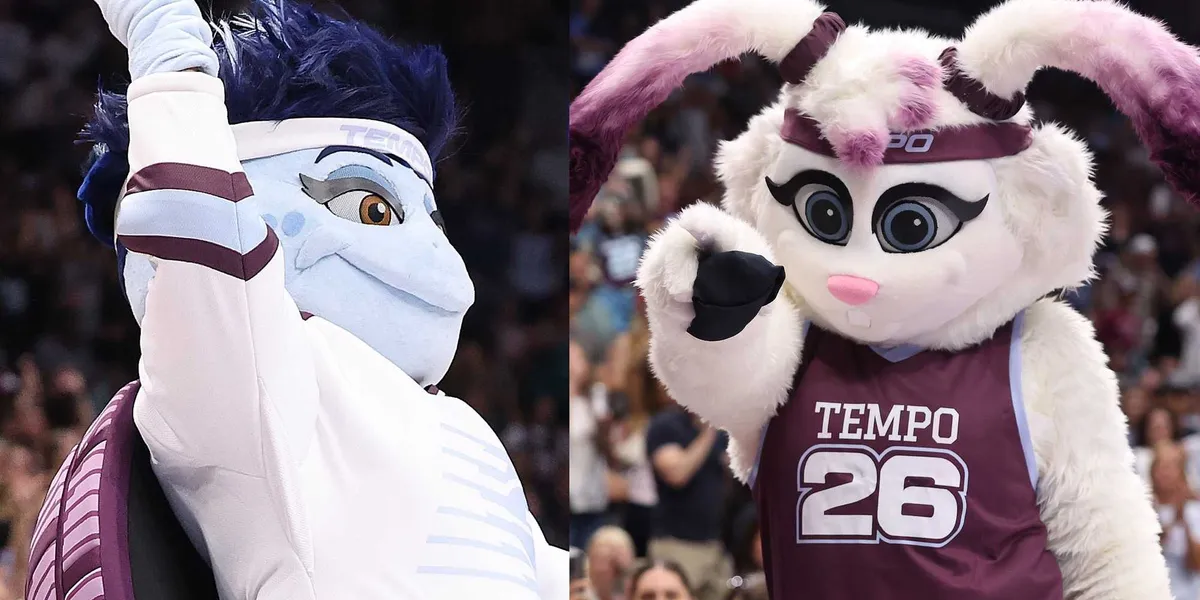
The WNBA has managed to turn a mascot reveal into another round of culture-war fireworks, and this one hit fast. A snapping turtle mascot linked to the Toronto Tempo drew attention not just for the costume, but for the team’s choice to frame the character with “she/them” pronouns, which set off a wave of mockery online.
What could have been a harmless team introduction instead became a flashpoint about identity branding in sports. The reaction was loud, blunt, and full of jokes, with critics treating the whole thing as one more example of leagues reaching for social messaging instead of keeping the focus on basketball.
The backlash landed because fans are already primed to notice this kind of thing. When a sports franchise starts attaching pronoun language to a mascot, plenty of people see it as less about fun and more about pushing a trend into every corner of public life. That is exactly the sort of move that gets called out in a hurry.
For many observers, the issue was not a turtle costume at all. It was the larger pattern of professional sports leaning hard into identity politics and expecting fans to cheer along without rolling their eyes. Once that lens comes into play, even a mascot reveal can look like a statement rather than simple entertainment.
The jokes came quickly because the setup was so easy to parody. A team trying to present a snapping turtle as a branded character with pronouns gave social media plenty to work with, and the internet did what it always does when something feels forced: it clowned it mercilessly.
That kind of response says a lot about the mood around the league. People are not just reacting to one mascot announcement. They are reacting to years of messaging that many sports fans believe has drifted far away from the game itself and deep into lecture territory.
It also shows how sensitive the WNBA’s public image has become. Every new announcement is now filtered through bigger debates about culture, gender language, and whether leagues are speaking to fans or trying to shape them. Once that trust gets shaky, even a lighthearted reveal can turn into a controversy before the confetti settles.
The mascot itself may fade from the headlines, but the response around it is the real story. Fans are making it clear that they notice when sports try to wrap politics, identity cues, and branding into the same package, and they are not always impressed. In a space built on competition, the audience still wants the game to come first.
