
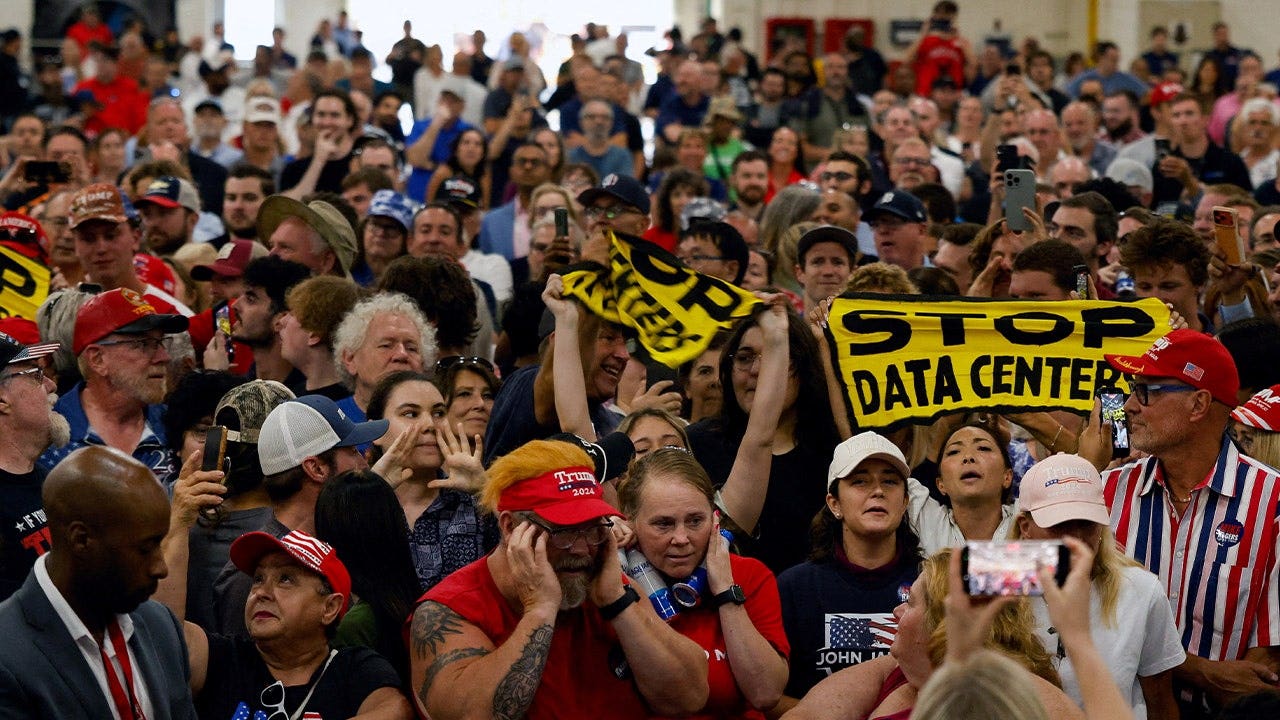
Silicon Valley has mastered the art of making Americans want the next shiny thing, but it is running into a wall when the project needs land, water, power, and local trust. Data centers, the backbone of AI, are being met with fierce resistance across the country, and that pushback is turning into a serious political and practical problem for the tech industry.
For years, big tech knew how to fight in Washington over content moderation, privacy, antitrust, and intellectual property. Those battles were loud, expensive, and familiar, but they happened in a place where lobbyists and lawyers could set the pace. AI infrastructure is different because it lives outside the screen and depends on permits, utility hookups, transmission lines, and community buy-in.
That shift has exposed a weakness. The industry built powerful policy teams for digital arguments, not for the messy world of county boards and state regulators. Once the debate moved from apps and algorithms to substations and water usage, the opposition got a lot stronger and a lot more organized.
The numbers tell the story. Local opposition has already delayed or blocked $64 billion in data center projects, and a large majority of Americans say they do not want these facilities in their neighborhoods. New York even became the first state to effectively ban new data center projects, showing just how fast the mood can turn when lawmakers feel the heat.
This is not just a messaging problem. It is a structural one. Tech companies may have influence in Washington, but they are losing at the exact places where these projects need approval, like utility hearings, statehouses, and zoning meetings.
The resistance is being driven by a broad coalition that knows how to stall development. More than 230 organizations have lined up behind a national moratorium, turning what might sound like a local concern into a coordinated campaign with national reach. Groups with deep experience opposing energy projects are now using the same playbook against AI infrastructure.
That is where the danger really kicks in. If America keeps slowing down the infrastructure that powers AI, the country does not just lose efficiency, it hands momentum to rivals like China. The fight over data centers is really a fight over whether the U.S. will build the energy base needed to stay ahead.
The pattern is familiar. Fracking survived because it created visible winners in real communities, from landowners to workers to local governments collecting more revenue. Once people saw direct benefits, the political attack got harder to sustain. Nuclear tells the opposite story, where a powerful technology lost public support before most Americans understood what was being given up.
Data centers are facing a faster, sharper version of that same challenge. Critics are spreading the same claims over and over, focusing on electricity bills, water use, and grid strain, while using ready-made materials that can move from one town to the next in a flash. The tactics are polished, and they are clearly built for speed.
That makes the response matter even more. AI companies have the money to invest in local power generation, infrastructure upgrades, schools, and economic development that give communities a real reason to welcome the projects. They also need people who know local politics, not just the polished operators of K Street, because the fight is being won and lost in places far from Silicon Valley boardrooms.
Language matters too. Tech leaders often talk in the cool, detached vocabulary of disruption and singularity, but that does little for families worried about their electric bills or their water supply. A better pitch would sound grounded and concrete, with words like jobs, reliability, prosperity, and security carrying the load.
Silicon Valley built the machines that changed daily life, but now it has to win over the people who live next to the power lines, water systems, and concrete slabs those machines require. The next phase of the AI boom is not about dazzling consumers anymore, and the companies that figure that out first will have a real edge.
