
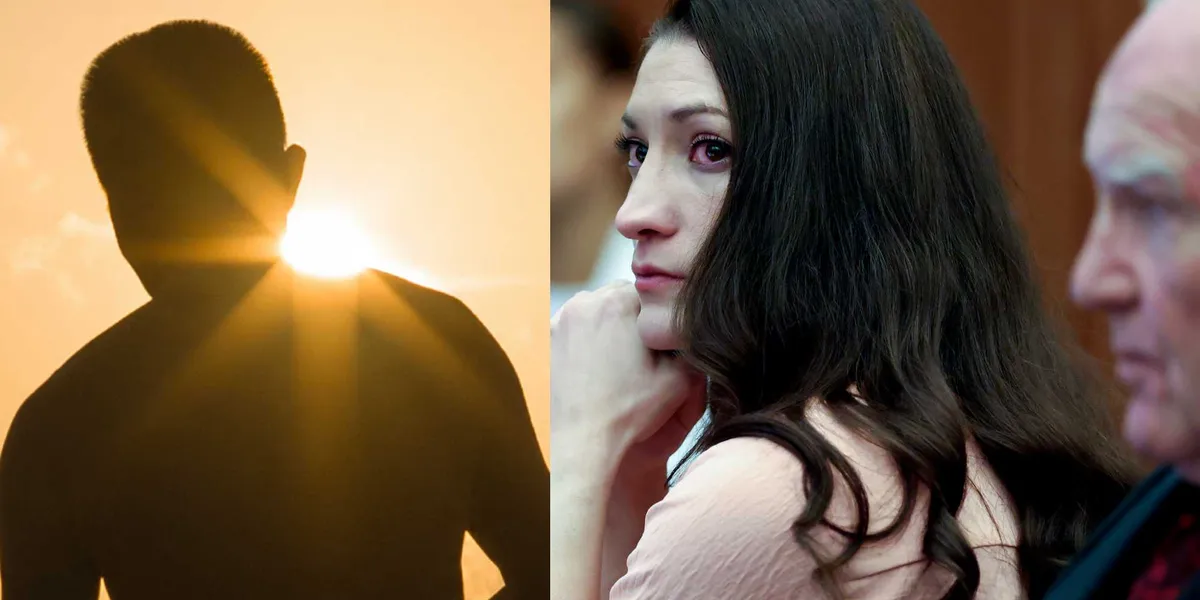
Lindsay Clancy’s case has kept drawing attention because it sits at the messy crossroads of tragedy, mental health, and public outrage. What started as a horrific family story quickly turned into a wider fight over how people judge postpartum illness, how juries think through impossible evidence, and how fast a crowd can decide it already knows the answer.
The latest buzz centers on a lone juror who reportedly refused to go along with the pressure building around the case. That kind of holdout always sparks chatter, but this one landed harder because the public mood around Clancy has been so intense from the start. Once a case gets that emotional, every detail starts carrying extra weight.
Part of why people keep circling back to this story is the way mental illness changes the conversation. Some see a clear criminal act and want a straight line from cause to punishment, while others argue that severe psychological collapse can’t be brushed aside like noise in the background. Those two instincts rarely meet in the middle, and this case has made that split impossible to ignore.
Gayle King’s reaction also added fuel to the fire, especially for viewers who felt the broader media coverage had become more about framing than facts. When a high-profile name reacts strongly, it often changes the tone of the whole discussion, even for people who were only half paying attention. Suddenly the case is no longer just in the courtroom, it is also in the culture war.
That is where race politics starts creeping in, whether people like it or not. Once a story is filtered through identity, media trust, and public emotion, every take gets sorted into a camp, and the actual facts can get buried under the shouting. It does not take long before the argument is no longer only about what happened, but about who gets believed and why.
The juror who broke from the crowd matters because it reminds people that juries are not supposed to be applause machines. One person refusing to fold can expose how much pressure sits behind the scenes when a case becomes famous, divisive, and loaded with assumptions. That does not settle anything on its own, but it does show the system still depends on independent judgment, even when the outside noise gets deafening.
Clancy’s case also keeps pulling in the larger issue of postpartum depression and how often it is misunderstood until something catastrophic happens. People love simple labels until they run into a case that refuses to stay simple, and then the discussion gets raw fast. The public wants clarity, but these kinds of cases usually offer confusion, grief, and ugly questions instead.
What makes the whole thing linger is that no part of it feels clean. The emotions are heavy, the legal stakes are brutal, and the public conversation keeps spinning between sympathy, anger, and suspicion without ever settling down. That tension is exactly why the story keeps grabbing attention every time a new piece of information lands.

2 Comments
She brutally murdered her three children. No excuse in the world can absolve that.
The major thing that is being brushed aside, regardless of what side one falls on, is that 3 precious young lives were killed. Hormonal or conscious, it is a level of evil viciousness that all people must acknowledge. How a mother could murder her 3 babies in any mindset is beyond all comprehension. They are the victims – not Clancy.