
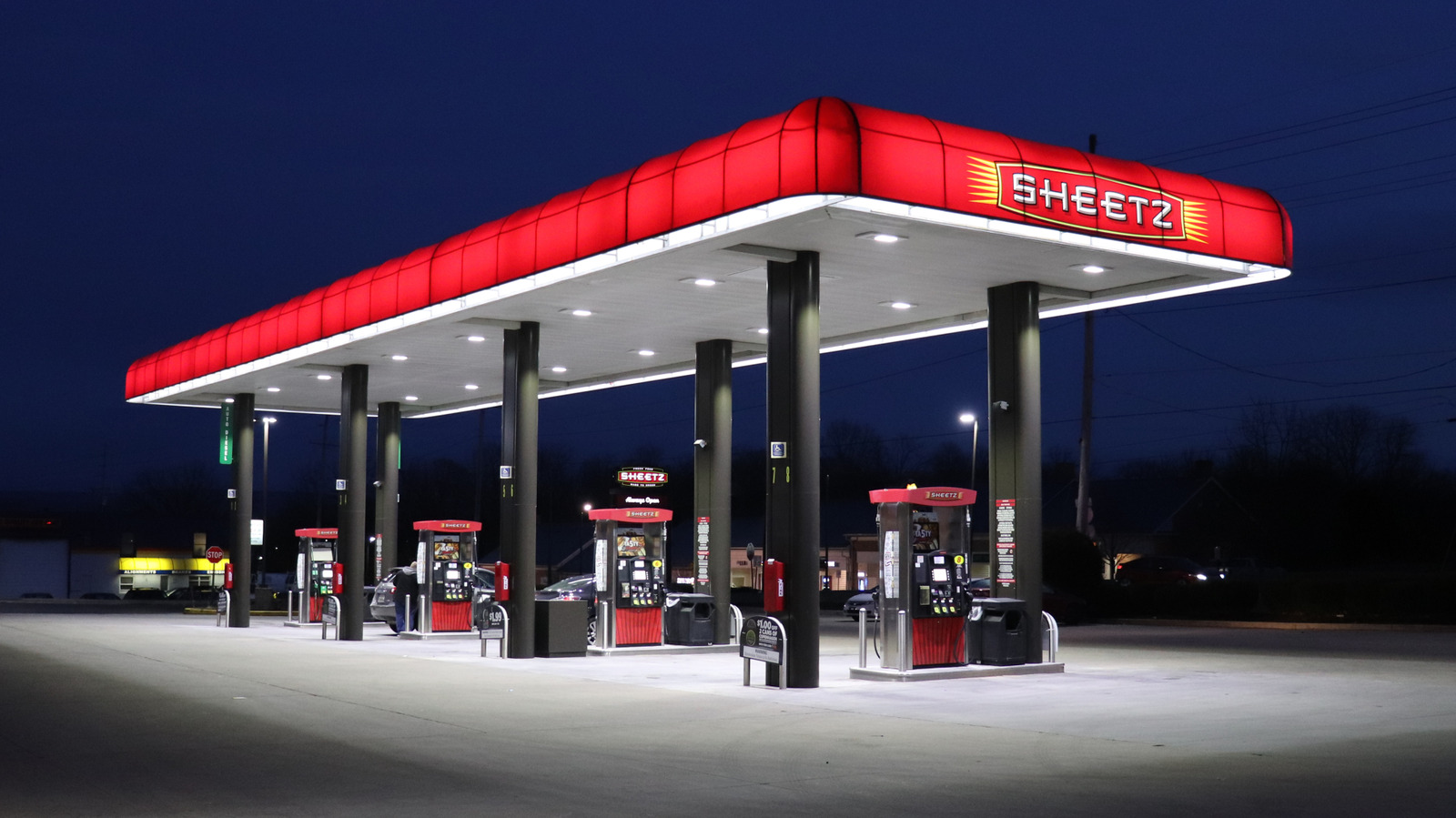
Sheetz started as a simple dairy corner store and grew into a regional powerhouse of convenience retailing, blending fuel, food and tech in a way that feels both familiar and bold. This article tracks that climb from humble milk-and-ice beginnings to a chain known for late night crowds, made-to-order food and a fiercely loyal customer base. Expect a clear look at what made the brand tick, how it changed the convenience store playbook, and where it might head next.
The first chapter of this story is pure small-town Americana, a local shop that served neighbors and became a hub for everyday needs. That local focus gave the business a foundation of trust and steady foot traffic, a kind of grassroots marketing that money cannot buy. As demand shifted, the store began to add more items, stretching beyond dairy into snacks, drinks and basics people needed on the go.
From those modest aisles the business started experimenting with broader retail concepts, blending fuel sales with an expanded convenience offering. That move turned a storefront into a destination for commuters and road trippers, not just folks from the immediate block. Over time the company multiplied locations and refined a model that married quick service with consistent availability, which is critical in this industry.
One of the most recognizable leaps came when the company leaned into food made to order, transforming the idea of a gas station snack into a legitimate meal option. Investing in kitchens and staff training allowed the stores to offer sandwiches, coffee and hot food with surprising quality and speed. That culinary push changed customer expectations and helped the brand stand out in a crowded market where most competitors sell packaged goods and preheated items.
Family ownership played a big part in how decisions were made and how the brand presented itself to customers and employees alike. A leadership style rooted in family values often shows up as a long-term view, where reputation and community relationships matter as much as quarterly returns. That approach helped build a workforce culture focused on service, and it supported slower, steadier expansion rather than risky, short-term gambles.
>
The brand also became deeply tied to regional identity, the kind of enterprise people associate with their daily routines and local roads. Stores operate in neighborhoods and along highways, meaning the company touches millions of small moments every day, from morning coffee runs to late night stops after events. That ubiquity creates a kind of emotional ownership among customers who think of the chain as part of their landscape rather than just a place to buy gas.
Technology and branding investments gave the chain more tools to compete as the market evolved, from loyalty programs to mobile ordering and streamlined in-store systems. Embracing tech helped the company keep pace with customer expectations for speed and convenience while also providing data to fine-tune menus and promotions. Those upgrades did not erase the brand’s local feel, but they did make it leaner and more efficient, which is crucial when margins are tight in the fuel and convenience sectors.
Expansion brought growing pains and strategic choices about how far to stretch without diluting the core identity that fueled early success. The business had to decide which markets would accept its mix of fuel, food and neighborhood convenience without losing the intimacy that made early locations special. Those tradeoffs will shape whether it keeps being seen as a regional staple or becomes another national chain with a familiar logo but less local character.
Facing a shifting energy landscape and changing customer habits, the company will need to balance legacy strengths with adaptability. New energy trends, competitive food-service options and the rise of delivery and pickup models all present both a threat and an opportunity. The path forward will likely be practical and incremental, driven by what customers actually want at the pump and inside the store rather than grand gestures.
