
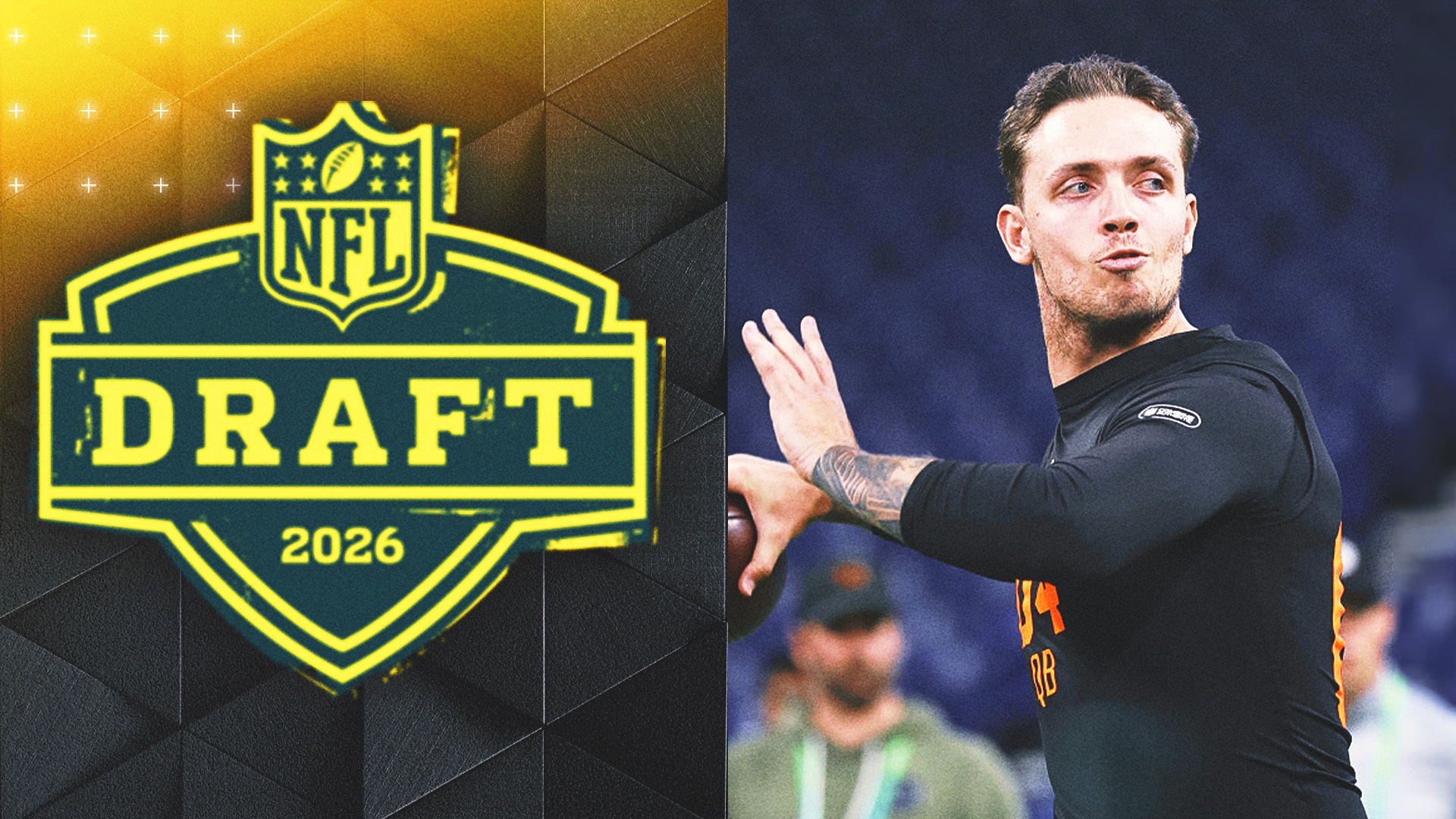
Scouts get dazzled by height, weight and 40 times, but undervalued players keep slipping through the cracks. This piece argues that there are seven prospects who might not hit prototypical marks yet deserve an early marker in draft rooms. I’ll walk through why measurables mislead, what traits matter most, and how teams should prioritize tape and fit over pure metrics.
These seven players might lack prototypical size or elite traits, but scouts should plant the flag for them in NFL draft rooms. That line captures the debate: size has long dominated board logic, but upside often lives where the radar doesn’t shine. Teams willing to be contrarian can gain real draft-day advantage.
Measurement bias is real and expensive; teams chase traits scouts can measure in a gym, not the instincts that show up on film. Athletic testing is useful, but it can also erase nuance like timing, competitiveness and positional savvy. The trick is separating big bodies with poor instincts from smaller players who win consistently.
Traits that compensate for fewer physical gifts are clear and repeatable: suddenness at the point of attack, elite hands, spatial awareness and positional footwork. Those qualities show up in real game situations, not in piped sprint lanes. Coaches who value situational excellence can exploit mismatches at scale.
Production still matters, especially when it comes in a variety of roles against top competition. A player who made consistent plays in big moments should not be dismissed because he lacks prototype measurements. Contextualizing stats — competition level, usage and system — turns raw numbers into a believable profile.
Scheme fit is the multiplier teams often overlook; a compact, quick receiver can thrive in short-area concepts while an undersized linebacker can dominate in sub packages. Drafting for system fit beats chasing projection every time. A clear plan for how a prospect will be used turns perceived limitations into definite strengths.
Certain positions naturally reward smaller, instinctive players more than others, and that pattern should inform drafting strategy. Slot receivers, nickel corners, third-down backs and special teams stand out as roles where quickness and smarts trump length. Identifying which position will maximize a prospect’s traits reduces projection risk.
Special teams value is a hidden currency in the draft that keeps fringe prospects on rosters and gives them time to grow. Players who can contribute immediately on kick and punt units buy patience and roster runway. That early impact often translates into expanded roles once minor weaknesses are ironed out.
Film beats combine numbers when the two disagree, plain and simple; relentless tape should be the tie-breaker. A prospect who consistently wins one-on-one with technique or anticipation is more reliable than a tester who looks fast on a track but loses in live reps. Prioritize game action as the primary evidence.
Draft rooms need to balance upside against floor, and undersized prospects usually offer asymmetric reward for low cost picks. Late-round picks or Day Three flyers carry minimal roster risk but can become difference-making starters. That upside profile is precisely what rebuilding teams should be hunting.
To “plant the flag” evaluators must combine quantitative data with targeted scouting visits and interviews that confirm competitiveness and intelligence. Medicals and character checks reduce downside, but in-person work reveals competitiveness and football processing speed. Those visits often separate reasonable gambles from foolhardy ones.
On the field, key workout looks are transition speed, change-of-direction deceleration, hand placement and play-recognition under fatigue. Those elements show whether a player’s instincts translate physically when the whistle keeps blowing. Drill results framed by live reps give the clearest projection.
Teams that embrace contrarian thinking and prioritize tape, fit and role-specific traits will harvest value where others see risk. Planting the flag on a prospect is not an act of faith, it’s a strategic bet supported by evidence and a clear usage plan. When the rest of the league chases prototypes, bold evaluators pick winners.
