
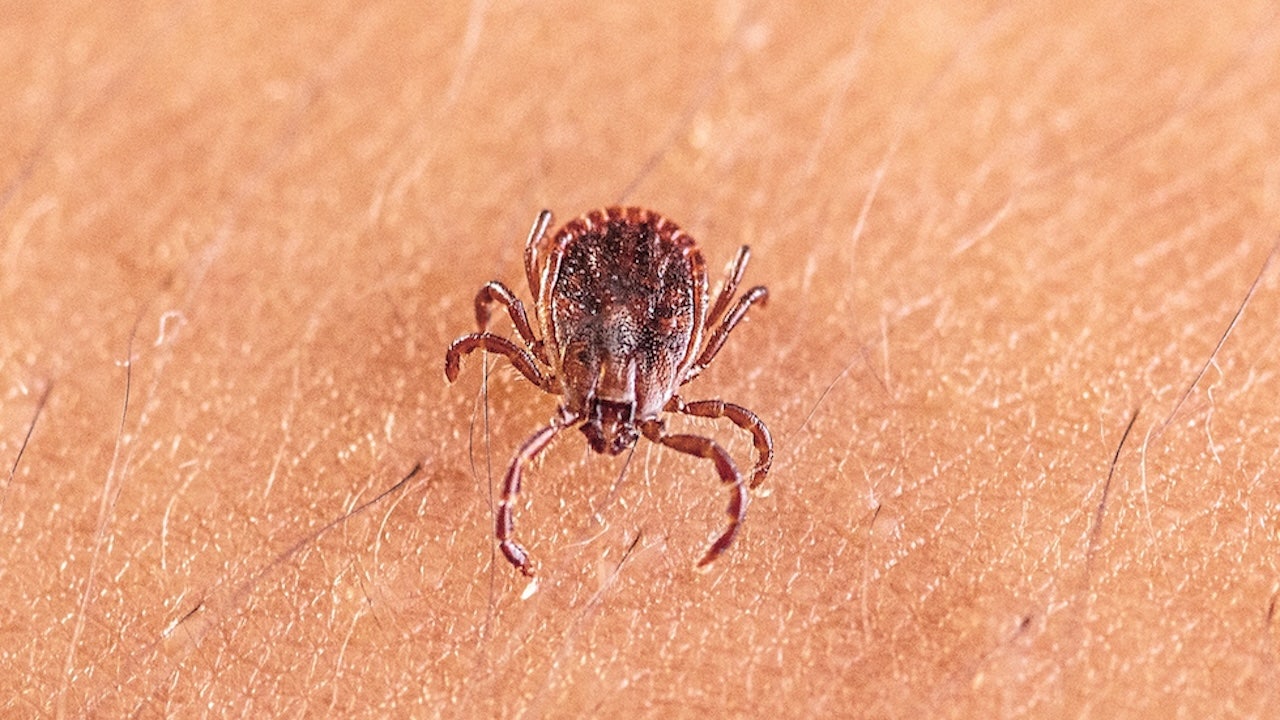
Scientists have uncovered a new tick-borne virus that adds another name to a growing list of infections carried by these tiny pests. The Asian longhorned tick nairovirus, or ALTNV, was found in patients who had been bitten by ticks and were dealing with mystery illnesses that looked a lot like the flu at first.
The research points to a virus that can bring fever, muscle aches, fatigue, and in some cases stomach troubles or breathing symptoms. It has also been tied to low platelet counts and signs of liver irritation, which makes it more than just a passing nuisance.
What makes the discovery stand out is the way it was found. Researchers in China spent years following patients with unexplained infections, including cases linked to severe fever with thrombocytopenia syndrome, and then dug deeper when the usual explanations did not fit.
That kind of detective work mattered because tick-borne illnesses can blur together fast. Many of the sick patients were already being tested for other viruses, especially Dabie bandavirus, but ALTNV kept showing up often enough to raise alarm.
After examining blood samples and viral fragments, scientists confirmed that ALTNV is genetically distinct from the better-known tick virus in the same regions. In a study of 3,163 patients who had been bitten by ticks, the new virus was identified in 10.4% of cases, which is a surprisingly large slice for something newly recognized.
The overlap did not stop there. Patients infected with both ALTNV and Dabie bandavirus were more likely to develop respiratory problems and kidney complications, and several of those cases ended in death during the study period.
That does not mean ALTNV alone was proven to be the killer. The deaths were tied to the coinfection cases, while the new virus on its own was not directly linked to severe bleeding or mortality in the study.
Still, the symptoms are unsettling because they can look ordinary at the start. A person may think it is just another bad flu, only to learn that the real problem came from a tick bite and a virus that does not respond to familiar treatments.
Doctors stressed that the key is figuring out exactly which infection is in play. That matters because flu drugs can help flu, but they do not help many tick-borne viruses, and antibiotics are useless against viruses altogether.
For most patients, care is mostly supportive, focused on easing symptoms and watching for complications. The bigger danger is mistaking the illness for something else and wasting time with the wrong treatment.
Prevention still does the heavy lifting here. Long pants, tucked socks, and tick repellent can cut the odds of a bite, and it helps to check the skin carefully after spending time outdoors.
The longer a tick stays attached, the more likely it is to pass along an infection. That is why quick removal matters so much, especially after hiking, walking in brushy areas, or even spending time in places where ticks can latch on without being noticed.
The Asian longhorned tick itself has not become a major U.S. problem yet, but that does not mean the lesson stays overseas. Other ticks are already here, and they carry their own mix of illnesses, each with its own risks depending on the patient.
Age, immune status, and overall health can change the picture quickly. A healthy adult may shrug off one infection, while someone with a weaker immune system can get hit much harder, which is why tick season keeps doctors paying close attention.
