
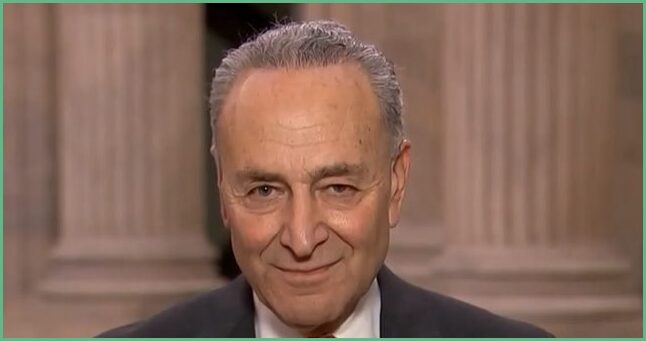
Schumer Misread the Moment: A Republican Take on the Shutdown and Moulton’s Remark
The recent government shutdown exposed a leadership problem that Democrats need to own up to, plain and simple. Senate Minority Leader Chuck Schumer was at the center of a mess that cost taxpayers money and trust. Republicans saw the chaos as a consequence of blurred priorities and weak negotiating posture.
On national television, Rep. Seth Moulton weighed in during CNN’s “The Arena” and delivered a critique from his party’s perspective. The remark captured attention because it revealed fractures inside Democratic ranks and signaled frustration with the leadership approach. That public airing matters when voters want steady stewardship, not internal finger pointing.
“heard the message from myself and many others who said that
That fragment, presented exactly as said, is telling for two reasons: it shows Democrats squabbling in public and it reveals a reactive, not proactive, strategy. Republicans argue leadership should prevent crisis, not respond to it after damage is done. When party leaders get surprised by blows from their own side, the public loses confidence.
The shutdown reality was simple for Republicans: fiscal discipline and clear priorities win elections and preserve government function. Democrats’ inability to keep their caucus aligned made a bad situation worse. Voters expect leaders who can corral their base while negotiating across the aisle, not leaders who get outmaneuvered at the first sign of pressure.
Schumer’s role should have been to set a cohesive message and enforce unity to protect essential services. Instead, the impression left was of a leader scrambling to respond after factions in his own party pushed different agendas. That lack of control handed Republicans a clear contrast to highlight heading into the next cycle.
Republicans also point out that shutdowns hurt real people, from federal workers to small businesses that rely on contracts and predictable government operations. Blaming legislators is not enough if leaders do not take responsibility and act to prevent repeats. The political fallout should push both parties to adopt rules that encourage compromise over theatrical stand-offs.
From a conservative perspective the lesson is straightforward: prioritize governance, not messaging theatrics. This means crafting appropriations with clear rider policies and realistic expectations from the start. It also means using leverage responsibly to reach durable deals rather than temporary fixes that invite future meltdown.
Some in the media framed the dispute as purely partisan theater, but the underlying problem is institutional. When party leaders cannot control their rank and file, the institution suffers and the public pays the price. Republicans say the remedy starts with stronger discipline and clearer commitment to governing outcomes.
Another practical takeaway concerns communication. If leadership had clearly explained compromises ahead of time, rank-and-file objections might have been managed privately rather than aired on national television. Republicans believe effective leaders manage conflict behind closed doors and present unity publicly until deals are sealed. That approach preserves negotiating capital and minimizes public panic.
There is also a broader strategic angle for conservatives watching this unfold. A fractious opposition party is an advantage if Republicans show competence and restraint. The electorate rewards parties that can demonstrate reliable stewardship of the nation’s affairs, and a divided opponent makes that case easier to make.
Looking forward, Republicans want institutional reforms to reduce the chance of shutdowns, including better budgeting processes and clearer timelines for negotiations. These proposals aim to make governing predictable and prevent brinksmanship from becoming policy. The goal is to protect Americans from the spectacle of partisan gridlock.
In short, the episode around Schumer’s handling of the shutdown and Moulton’s public comments exposed fault lines and a leadership gap. Republicans will press the contrast: stable, responsible governance versus the chaos of divided party leadership. Voters will remember which side offered solutions and which side offered excuses.

1 Comment
The dumbass Shitmer is afraid of AOC and did what she told him to do, Shut it DOWN.!
Out of fear Communist AOC will run against him and win, dumbass Shitmer shows he has no Spine against a much younger POS AOC.
So he did as he was told and it will cost the Communist Democrats to lose more Voters this coming Midterms, and a few Democrats are turning against them and joining ranks with the Republicans.
I’m glad you did it Shitmer.