
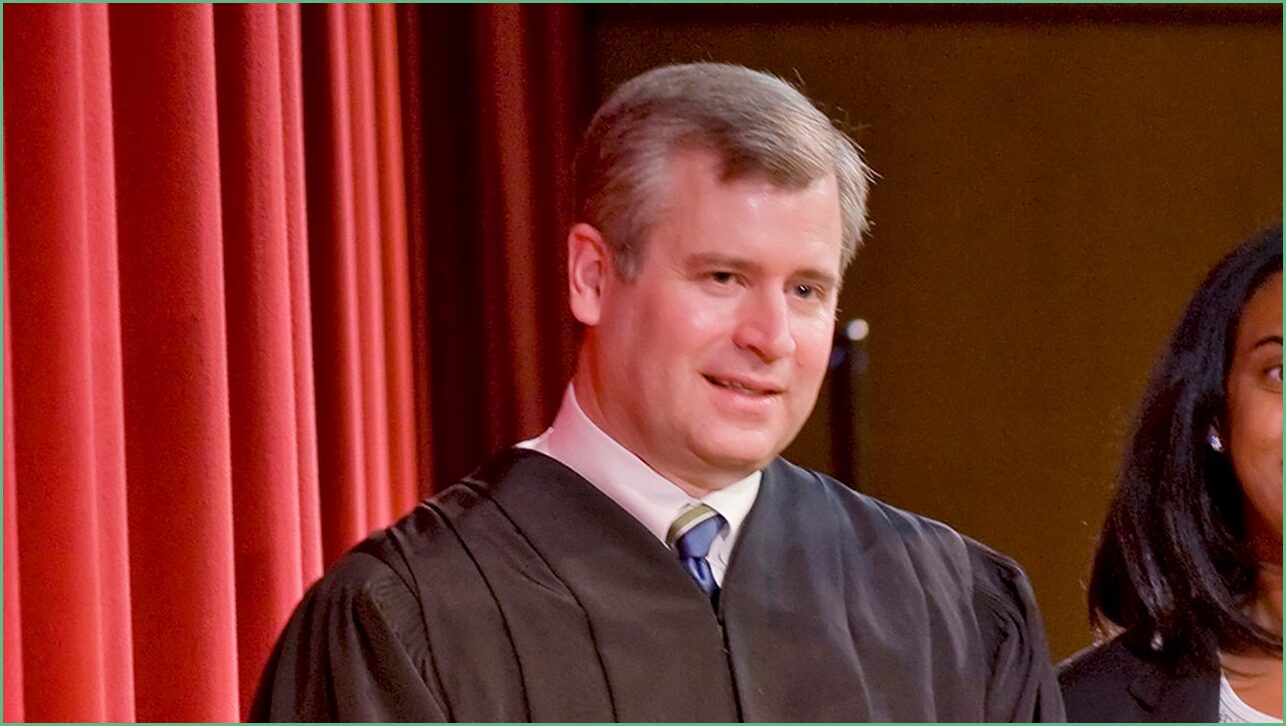
Judge Patrick Schiltz has become a flashpoint in disputes tied to metro policing and immigration cases, drawing scrutiny for his handling of high-profile matters, a private record of donations and volunteer work, and clashes with federal immigration officials. This piece examines the specific episodes that raised questions about judicial impartiality, the legal standards that apply, and why district courts may not be the right forum for many immigration fights. It also raises practical concerns about when recusal is appropriate and when higher courts should step in to protect the rule of law.
Schiltz delayed a ruling in a contentious case involving a proposed arrest after protesters allegedly entered a St. Paul church, a pause that struck many observers as unnecessary and disruptive. The local attorney general later secured an indictment, but the delay complicated an already charged situation and fed criticism that the judge’s timing was politically tone-deaf. That episode set the tone for more skepticism about his stewardship of highly politicized matters.
Another standoff nearly erupted when Schiltz demanded that Acting ICE Director Todd Lyons appear in court after a detainee was not released, warning that “The Court’s patience is at an end,” if the situation was not remedied. The detainee was freed before the threatened contempt showdown, but the exchange exposed a raw fault line between a district judge and federal immigration authorities. It is easy to see how similar flashpoints could recur if judges step outside the proper lane.
>
Reporting also revealed that Schiltz and his wife long donated time and money to the Minnesota Immigrant Legal Center, a group that both provides counsel and advocates on immigration policy.
That affiliation matters because MILC does more than offer neutral legal aid; it actively campaigns on immigration policy and publicly labeled certain presidential directives “cruel and inhumane.” When a judge has a long history of supporting an organization that takes clear policy positions, the risk of an appearance of bias is real, especially in cases that challenge those same policies. The optics are especially bad when the judge could be asked to rule on the legality of measures the organization has condemned.
The legal standard for stepping aside is straightforward and strict: 28 U.S.C. § 455 requires recusal where a reasonable person, knowing the relevant facts, would doubt the judge’s impartiality, and Canon 3(C) of the Code of Conduct echoes that duty. A judge who gifts to or volunteers with an activist group should recognize the very real appearance problem when similar issues land on the bench. It is a simple matter of preserving public confidence in the fairness of the courts.
There is a separate, structural problem that often gets overlooked: many immigration disputes belong in the immigration courts, not in federal district court. The Immigration and Nationality Act of 1965 channels removal proceedings into the administrative immigration system, and district courts generally lack jurisdiction over those core removal decisions. When judges intervene in deportation fights, they risk exceeding their authority and creating a mess that appellate courts must clean up.
The Third Circuit recently corrected a district-level intervention in a deportation case involving a university student, underscoring that federal trial courts can overreach when they try to enjoin removals. That reversal is a useful reminder that jurisdictional limits exist for a reason: to keep immigration law coherent and predictable. If district judges stick to their proper role, many of the recusal tussles tied to immigration policy would evaporate.
Given the mix of impropriety concerns and jurisdictional limits, the sensible course is twofold: district judges with close ties to advocacy groups should step away from immigration matters that touch those groups’ public positions, and district courts should avoid stepping into removal proceedings in the first place. If those steps are not taken voluntarily, appellate courts must act to protect both the appearance and the reality of impartial justice.
Practical, common-sense limits on who hears what protect courts from politicization and keep judges focused on neutral application of law. When a judge’s affiliations and the subject matter of a dispute create a foreseeable appearance problem, recusal is not optional; it is a duty grounded in statute and ethics. Allowing that duty to be ignored invites unnecessary conflict and corrodes public trust in the judicial system.
