
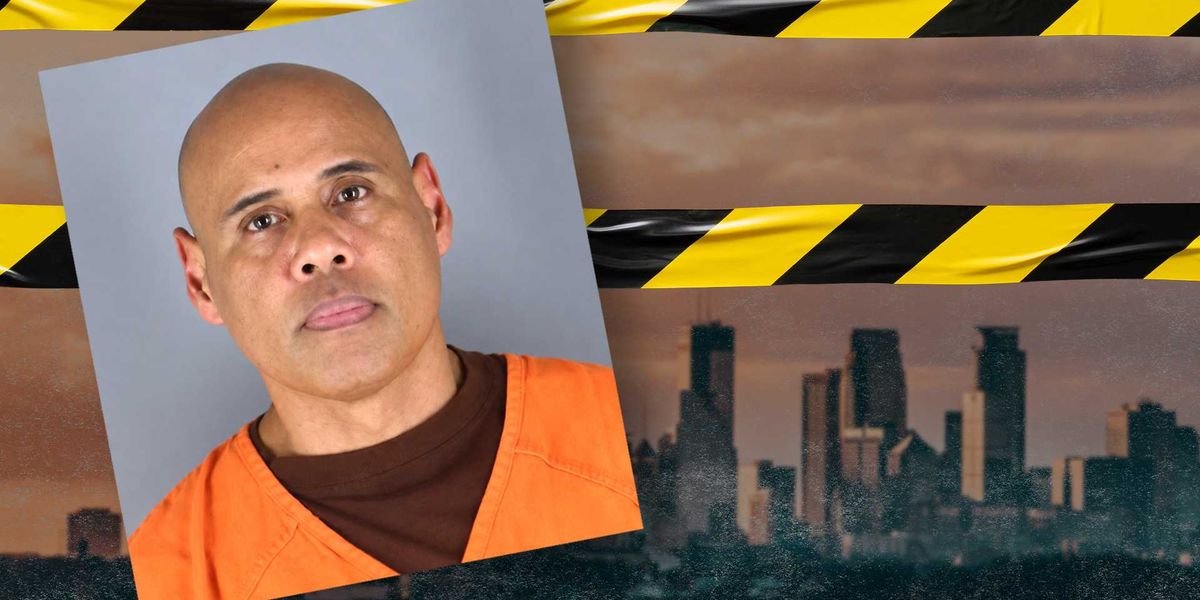
What started as a dramatic claim about an attack with a broom has turned into a messy clash over truth, agency power, and how federal officials handle a high-profile shooting. The Department of Justice says an ICE agent’s account does not hold up, while the agent’s lawyer argues the man has been turned into a political pawn. The dispute has drawn in the Justice Department, Homeland Security, and immigration enforcement, with the story now stretching far beyond one tense moment on the ground.
The core of the controversy is simple enough to describe, but ugly in practice. A federal shooting led to a claim that the agent had faced an attack involving a broom, and that detail quickly became the center of the case. According to the DOJ’s position, that version of events was not just shaky, but made up, which raises immediate questions about what happened before and after the shot was fired.
That kind of accusation is no small thing, especially when it involves someone wearing a federal badge. When the government says an officer fabricated part of the story, the whole case changes shape, because credibility becomes the battlefield. Every report, statement, and memory gets pulled apart, and suddenly the debate is no longer only about force, but about whether the public was given a false picture from the start.
The agent’s lawyer is pushing back hard. He says the man is being used as a political pawn, which is a sharp way of saying the case has grown larger than the facts and is now being shaped by agendas. In plain terms, the defense is arguing that officials are looking for a symbol, not a full explanation, and that the agent has been caught in the middle of a broader fight.
That argument lands in a moment when trust in federal institutions is already strained. The Department of Homeland Security, the Department of Justice, and Immigration and Customs Enforcement all sit inside a system where one misstep can echo fast and hard. When a shooting investigation turns into a dispute over whether an attack was even real, it invites a lot of public suspicion and very little patience.
Cases like this also show how quickly a local event can become a national flashpoint. A single account from an ICE agent can bring in headlines, legal scrutiny, and political commentary almost immediately. Once that happens, the facts stop living in isolation, and every side starts fighting not just over what happened, but over what the story is allowed to mean.
The broom detail is part of what makes the situation so strange. It sounds almost absurd on its face, which is exactly why the claim has drawn so much attention and so many questions. When something so specific is disputed, people naturally want to know whether it was a genuine confusion in a chaotic moment or a fabricated piece meant to justify later actions.
What makes the issue more charged is that federal officers are expected to provide accurate accounts when force is used. If the DOJ is right, then the concern is not only about one agent’s credibility, but about whether the entire response was built on a false narrative. If the defense is right, then the concern shifts toward whether the government rushed to judgment before the full picture was known.
Either way, the case has landed in a rough place for everyone involved. The legal fight is now tangled up with public perception, and the moment has become one of those ugly examples where an official story, a disputed detail, and a sharp political response all collide at once. From here, every new statement is likely to be parsed like a clue, and none of the players look eager to blink first.
