
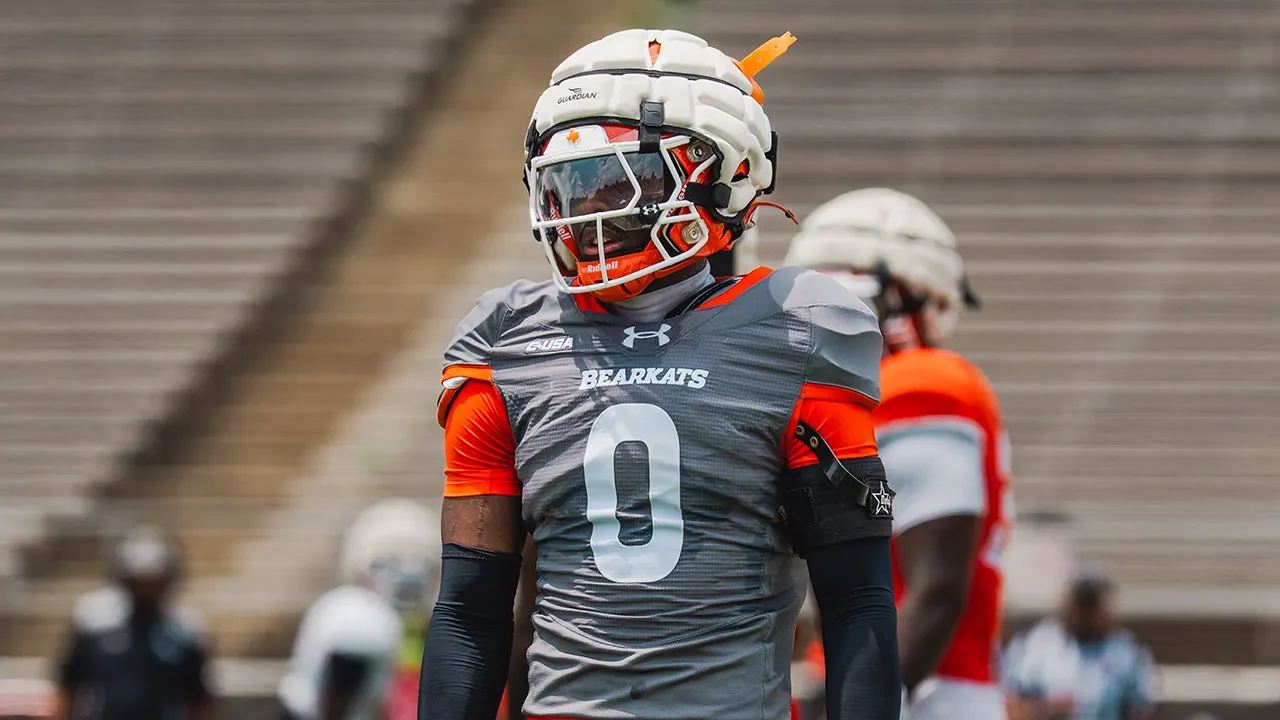
Sam Houston State Bearkats defensive back William Davis, a 22-year-old transfer from West Virginia, has died. The university and team have not released a cause of death, leaving teammates, coaches, and the wider college football community searching for answers. The loss has prompted an outpouring of condolences and questions from fans and peers alike.
Davis joined the Bearkats after moving from West Virginia, adding depth to the secondary and bringing experience from a different program. He was still young and had time ahead to shape his college career, which makes his passing particularly jarring. Team rosters now reflect one less player and a quieter spot in a unit that relies on communication and camaraderie.
News like this tends to ripple fast through locker rooms, campus commons, and online feeds, where memories and condolences pile up in hours. For teammates, the practical demands of film study and practice sit uncomfortably next to grief. Coaches often try to balance routine with compassion, keeping structure while offering support to players who are hurting.
Universities commonly withhold details in early hours after a death while families and officials are notified and facts are verified. That restraint can intensify speculation, but it also protects privacy and ensures accuracy. Fans and journalists alike must wait for official statements rather than rely on secondhand reports.
College programs typically respond with brief statements, vigils, or moments of silence, though exact actions vary by institution and circumstance. Support networks such as counseling services and athletic department staff step in to help teammates process the shock. Athletic communities know those resources can make a difference during a sudden loss.
Transfers like Davis often come with stories of adjustment: new playbooks, fresh social circles, and an effort to earn a spot on gameday depth charts. That transition can be stressful and rewarding, and teammates frequently bond over shared challenges. Losing a player during that settling-in period magnifies the sense of an interrupted journey.
Fans and alumni sometimes respond with flowers, messages at stadium gates, and social media posts honoring the player’s life. Those tributes create a mosaic of memories that reflects both impact and reach. For a college athlete, a short career can still leave a large imprint on people who watched them suit up each week.
Media outlets will likely track developments as officials release more information, but responsible reporting avoids speculation until facts are confirmed. College athletics departments work with local authorities in many cases to coordinate announcements. That cooperation aims to provide clarity while respecting the affected family and community.
Teammates confront practical questions about schedules, upcoming games, and how to best honor a fallen teammate. Some programs choose to wear decals, hold ceremonies, or dedicate a game, while others opt for private moments among players. The choice usually reflects the wishes of family members and the culture of the team.
Beyond the field, this moment underlines the human side of college sports: student-athletes juggle classes, practices, and personal lives, and sudden loss exposes the vulnerability beneath the uniforms. Universities often emphasize mental health and crisis response in the wake of tragedies for that reason. The conversation about support and care tends to gain urgency after incidents like this.
Officials have so far not released the cause of death, and further details are expected only after family notifications and appropriate reviews. The campus community and fans are left to mourn while awaiting confirmed updates. In the meantime, gestures of sympathy continue to appear across the network of people who knew and followed Davis.
This type of news is painful and confusing, and it stretches beyond sports into the shared experience of a community grappling with loss. Friends, classmates, and coaches quietly collect memories and try to make sense of what happened. For anyone affected, leaning on support systems and allowing space for grief becomes the immediate priority.
