
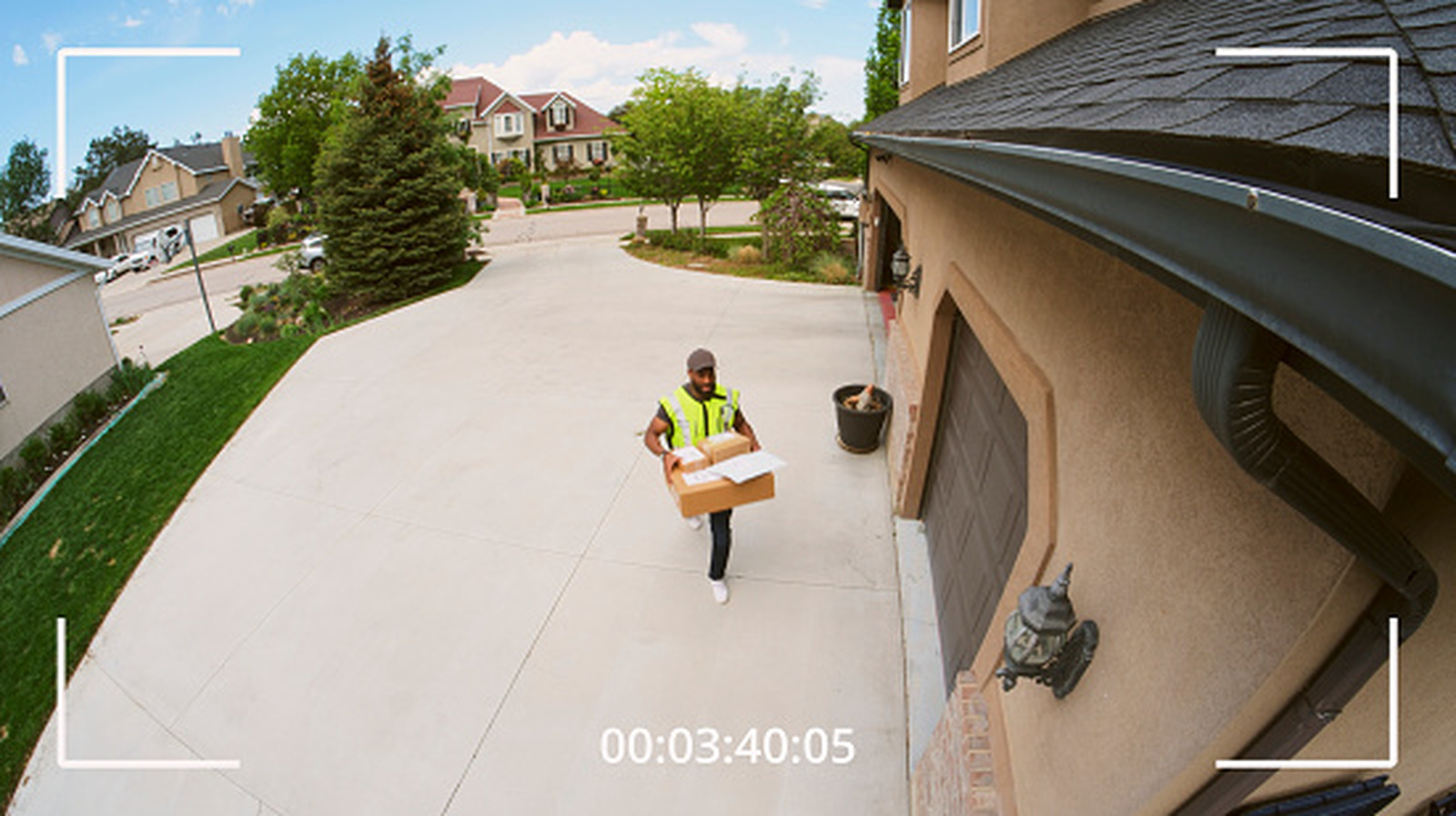
Neighbors setting up DIY security cameras in Florida can raise real questions about where your privacy ends and their right to protect their property begins. This article walks through what the law generally allows, when video and audio cross a line, practical steps you can take, and the options for legal action if a camera oversteps. Read on for clear, plain guidance so you know when to talk, when to tweak, and when to call for help.
Camera placement matters more than the brand or resolution. If a camera records areas that are clearly visible from a public space or the neighbor’s property, courts tend to treat that footage as lawful. People do not have a reasonable expectation of privacy for things in plain sight, like a yard seen from the street or a driveway anyone could see while walking by.
Audio changes the game. Florida is an all-party consent state for audio recordings, so a camera that captures private conversations could expose the owner to criminal charges or civil claims. Many DIY systems include audio by default, so it’s common for neighbors to unintentionally cross the line by recording spoken words that people reasonably expect to be private.
There are still limits on video even without sound. A camera aimed into someone’s windows, bathrooms, or other private spaces can trigger invasion of privacy claims, especially when the lens targets areas where a person would expect seclusion. Voyeurism statutes also prohibit surreptitious recording of intimate activities, and those laws can carry criminal penalties if violated.
Before calling a lawyer or the police, try a neighborly conversation. Most homeowners just want to feel secure and will be open to moving a camera a few feet or angling it away from your windows. Be direct, stay calm, and explain what footage makes you uncomfortable; sometimes a quick adjustment solves the problem without anyone feeling attacked.
If the neighbor resists, document what you see. Note dates and times, keep copies of any visible footage that includes your property, and record whether the camera captures audio. Solid records make complaints easier to investigate and help any attorney or local agency understand whether the issue is a technical problem or a legal violation.
Contact local law enforcement if the camera records audio of private conversations or is clearly aimed into a private space. Police can advise whether a criminal statute has been violated and can open an investigation when necessary. For civil concerns like persistent intrusion or nuisance, consider consulting an attorney about seeking an injunction or damages.
There are nonlegal ways to protect your privacy too. Use privacy screens, strategic landscaping, curtains, or frosted window film to block direct lines of sight. Technology can help as well: motion-activated lights, your own cameras, and signage can deter curious lenses and create a buffer between properties.
Homeowner associations and local ordinances sometimes have camera rules that add another layer of protection. If you live in an HOA community, check the covenants or speak to the board; they may have guidelines on camera placement, recording features, and neighbor disputes. Municipal codes may also address nuisance or harassment, giving you additional complaint pathways.
When legal action becomes necessary, remember the difference between nuisance, intrusion on seclusion, and criminal offenses. Each claim has different proof requirements and remedies, so tailored legal advice matters. The bottom line is straightforward: visible video of public areas is usually fine, recording private conversations without consent is not, and targeted filming of intimate or secluded spaces can land a homeowner in serious trouble. Use calm communication first, document everything, and escalate to authorities or counsel when privacy crosses into harm.
