
Quick note: this piece breaks down how big GMC and Chevy trucks and SUVs lose value, what drives that depreciation, which models tend to hold up better, and practical tips to protect resale worth so you can budget smarter when buying a full-size vehicle.
Any car you buy will depreciate, pretty much as soon as you drive it off the lot, but here’s what you can expect from the largest offerings from GMC and Chevy. Full-size SUVs and heavy-duty trucks start life expensive and typically drop faster in dollar terms than smaller cars because the sticker prices are higher. Still, they also attract buyers on the used market, which can cushion declines compared with niche luxury cars.
The big players to watch are Chevy Suburban and Tahoe and GMC Yukon and Yukon XL, plus the Silverado and Sierra pickup lines. Full-size SUVs usually suffer quicker initial depreciation than mainstream sedans, but they keep value if demand for hauling or towing remains strong. Trucks and SUVs tied to work fleets or rental programs can depreciate faster because of higher mileage and heavier use.
Trim level matters more than you might think. Top trims with premium packages often hold value because they offer features buyers want used, such as advanced towing tech, leather, and premium audio. But some high-tech options can age poorly if the electronics aren’t updated or if the systems become costly to repair. Simpler, rugged trims with solid mechanical reputations often make the best long-term bets.
Powertrain choice also changes the depreciation curve. Gas V8s remain popular for towing and resale in many markets, so well-maintained examples can do surprisingly well. Diesel and hybrid options can be a double-edged sword: diesel buyers prize torque and fuel economy, but repairs and buyer familiarity affect demand. As electrification grows, pure EV versions of large vehicles are still new enough that future resale patterns are uncertain.
Maintenance and usage habits are huge. Regular service records, clean interiors, and modest mileage keep resale value from falling faster than average. Conversely, work trucks with heavy towing, visible wear, or modified suspensions will scare off many used buyers. Invest in routine care and a thorough vehicle history, and you’ll stem losses when it’s time to sell or trade in.
Timing the market helps but don’t overcomplicate it. Fuel prices, interest rates, and seasonal demand all influence what buyers will pay for a big SUV or pickup. For example, demand for large-haul capable vehicles tends to rise in spring and summer and dips when gas spikes. If you can wait for a more favorable window, you’ll likely get a better price than selling during a downturn.
There are a few practical steps to protect value. Choose conservative colors and factory options that appeal broadly rather than niche customizations. Keep records, stick to recommended maintenance, and avoid heavy aftermarket mods that limit buyer appeal. When buying, shop trims with options that remain relevant over time like upgraded safety tech and proven towing features.
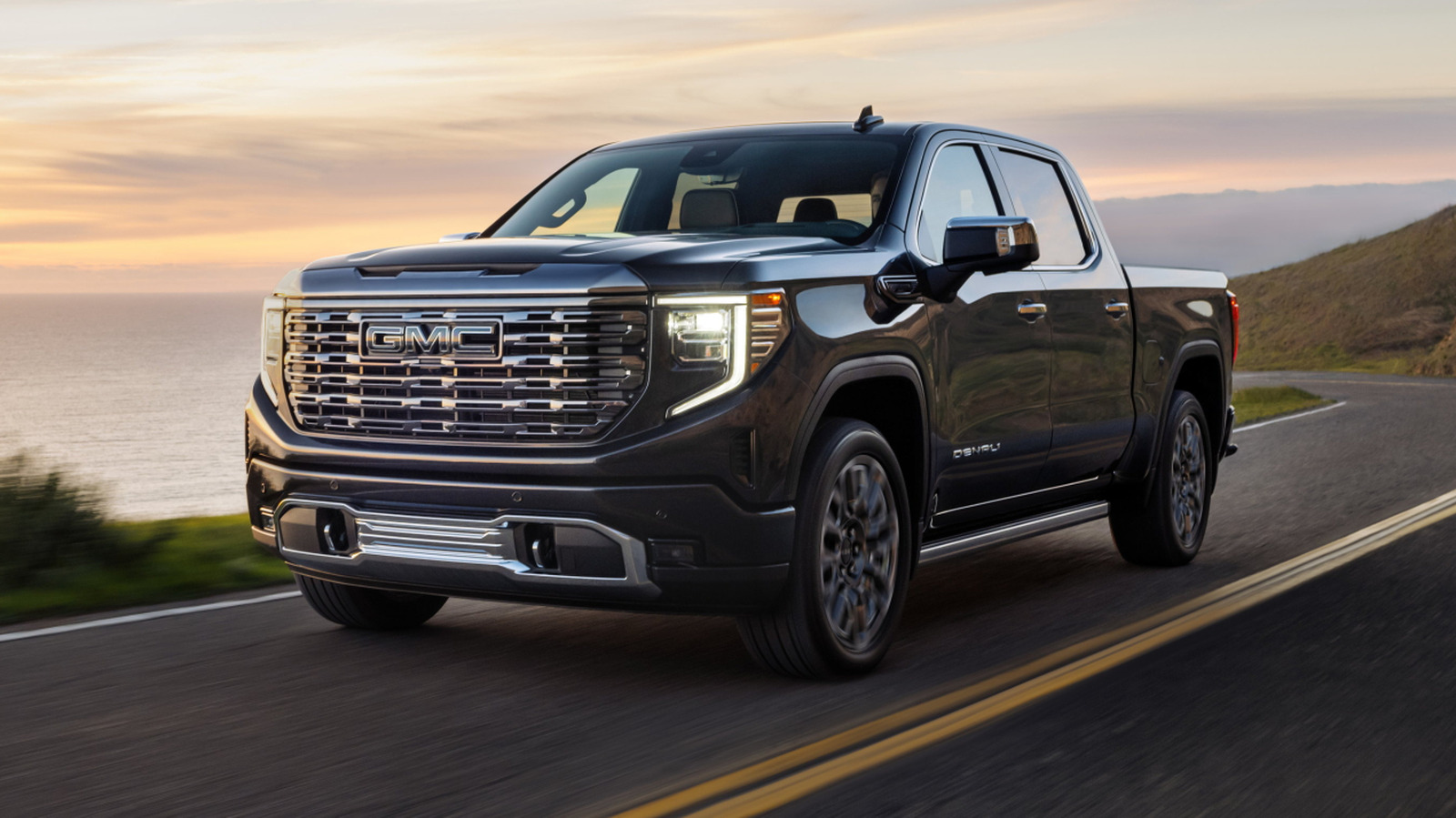
Resale differences between GMC and Chevy often come down to badge premium and perceived luxury touches. GMC tends to position its SUVs and trucks a notch upscale with special trims and styling, which can translate to slightly better resale in some markets. Chevy models can appeal to a wider base and sometimes move faster on the used lot because of broader name recognition and a variety of affordable trims.
In the end, buying a large GMC or Chevy is about matching needs to long-term cost expectations. Expect a sharp early hit in value, plan for maintenance, and pick trims and options that remain desirable. Do that and the gap between purchase price and eventual resale will be smaller than most buyers fear.
