
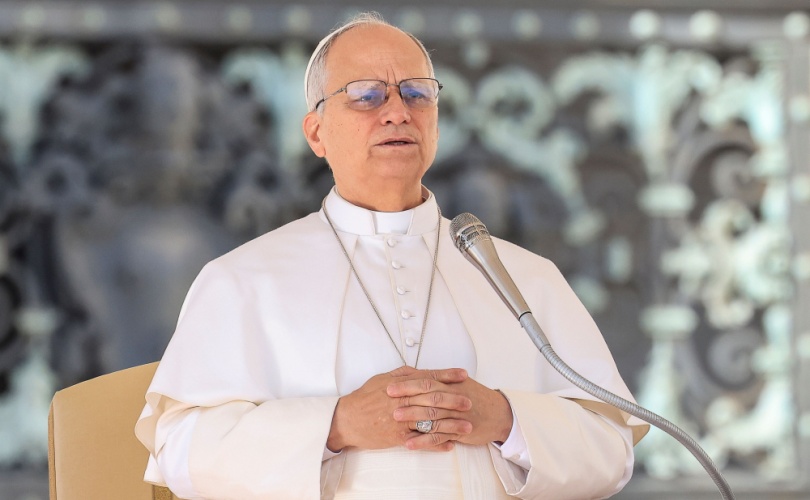
The new encyclical has stirred sharp reactions from clergy and commentators who worry it sidelines the Church’s core mission and downplays traditional moral language. Voices on the right and in the academy say the document reshapes pastoral priorities while leaving crucial theological questions unanswered. This piece walks through the main objections, the likely fallout for parish life, and why the debate matters for Catholics trying to read the sign of the times.
The central criticism is plain and blunt. As Robert Royal pointed out, ‘There’s no sense in this entire document of what the main mission of the Church is,’ and that observation cuts to the heart of the controversy. When an official text moves away from a clear sense of mission, it leaves bishops, pastors, and laity scrambling for guidance at a moment when clarity matters most.
Beyond mission talk, critics argue the encyclical softens or sidesteps moral categories that have anchored Catholic teaching. Robert Royal also warned that ‘sin essentially doesn’t exist in the universe of Magnifica Humanitas.’ If that critique holds, it signals a shift from calling people to conversion toward a less confrontational, more therapeutic tone. That may seem kinder on the surface, but it risks emptying the language that has historically motivated repentance and reform.
The practical consequences would be real and immediate. In parishes you could see preaching that favors general goodwill over explicit moral instruction, and catechesis that glosses over traditional teachings in the name of inclusion. People who come seeking clear direction could instead get vague affirmations, and that breeds confusion. Clergy who try to walk a middle line will face pressure from both conservatives and progressives within the Church.
There is also a pastoral question about credibility. When leaders publish statements that seem at odds with long-standing doctrine, the faithful depend on clergy to explain why and how the teaching fits into a coherent tradition. If the explanation is thin or absent, trust erodes. That matters politically as well as spiritually, because religious confidence often translates into civic engagement, charity work, and community stability.
On the intellectual front, theologians are debating whether the encyclical represents development or rupture. Development means building on earlier teaching while staying recognizable; rupture means breaking with past formulations in ways that require careful unpacking. The text’s softening of terms like sin suggests to some scholars that we are looking at a departure rather than a continuation, and that raises questions about authority and continuity within magisterial teaching.
What this fight is about is not just words on a page. It is about how the Church shapes the conscience of its people, how it forms leaders, and how it responds to cultural trends that prize comfort over conviction. If the document reframes the Christian life primarily as a set of social and humanitarian concerns, it may win applause in certain circles while alienating those who expect the Church to call for holiness.
For ordinary Catholics trying to live their faith, the swirl of commentary is bewildering. Parishes will need to decide whether to echo the tone of the encyclical or to double down on catechetical clarity. Bishops will be forced into pastoral triage, managing the fallout and trying to keep local communities intact. At the end of the day, the debate will shape how Catholics witness publicly and privately for years to come.

2 Comments
“Magnifica Humanitas” is obviously promoting man worshiping himself! Or in the very least softening the stance of the Church and it’s teachings from Scripture regarding sin and the primary need for repentance! This would certainly make it easier for gay marriages or abortion to be accepted in the church and even advocated for I’m sure. This is all part and parcel of the Modernist Slippery Slope of Society it’s been on since Vatican II. In the 60’s the Counter Culture Revolution was the beginning of the vast decay of societal norms and even a turning away from God that we’ve been witnessing ever since; I go as far to say its the Great Apostasy or “Great Falling Away” that is mentioned in Scriptures that will occur before Jesus’ Second Coming!
2 Thessalonians 2:3 ESV “Let no one deceive you in any way. For that day will not come, unless the rebellion comes first, and the man of lawlessness is revealed, the son of destruction,”
1 Timothy 4:1 — New International Version (2011) (NIV) “1 The Spirit clearly says that in later times some will abandon the faith and follow deceiving spirits and things taught by demons.”
2 Timothy 4:3 — New International Version (2011) (NIV) “3 For the time will come when people will not put up with sound doctrine. Instead, to suit their own desires, they will gather around them a great number of teachers to say what their itching ears want to hear.”
1 John 2:14-16 “I have written to you, fathers, because you know Him who is from the beginning. I have written to you, young men, because you are strong, and the word of God abides in you, and you have overcome the evil one. 15Do not love the world or anything in the world. If anyone loves the world, the love of the Father is not in him. 16For all that is in the world—the desires of the flesh, the desires of the eyes, and the pride of life—is not from the Father but from the world.”