
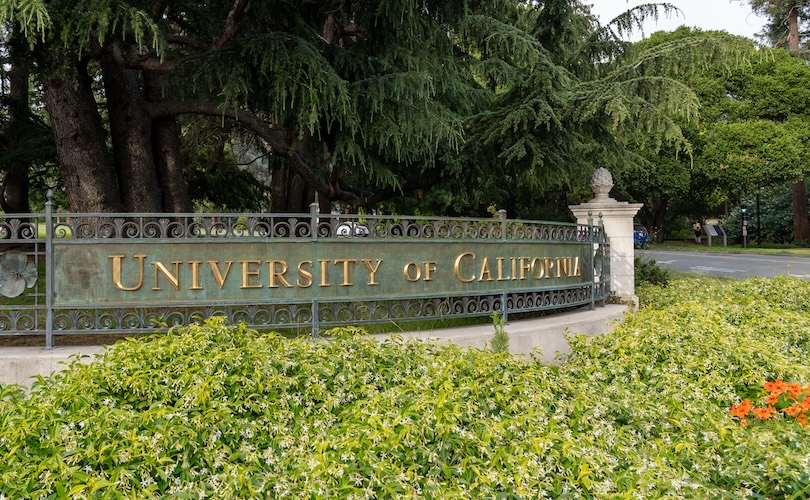
The University of California’s new approach to campus speech has sparked a fight over free expression, student rights, and how colleges balance safety with honest debate. This piece looks at the policy, the legal challenge, and why the debate matters for students and anyone who cares about open discussion on public campuses.
Students and critics say the policy amounts to a blunt tool that chills honest conversation. From classrooms to dorm halls, people worry that reasonable disagreement could be labeled a violation, and that fear of discipline will make students keep quiet instead of engaging meaningfully. That kind of atmosphere undermines the university’s core purpose: to test ideas, not silence them.
Legal advocates have framed the problem plainly. In court filings and public statements they insist the school is crossing a line between encouraging respectful interaction and criminalizing unapproved viewpoints. The case argues that the university risks turning campus life into a managed echo chamber where only institutionally sanctioned language is safe.
To put it in their words, “The University of California ‘has enacted a speech code that punishes students,’ ‘discourages them from expressing views outside of the university-approved mainstream.” That sentence captures the core complaint: students feel penalized for stepping outside a narrow set of approved views, and that is exactly the opposite of what higher education should do. Preserving exact phrasing matters because it reflects the specific charge being brought to the courts.
There are two real harms here. First, academic freedom suffers when instructors and students have to self-censor to avoid administrative punishment. Second, the culture of debate declines when one side of a dispute fears punishment for stating its position. Both harms hit students hardest, because college is supposed to be where people learn to argue, not where they learn to retreat.
Supporters of the policy say it protects vulnerable students and fosters inclusive classrooms, and that is a valid concern. But policies meant to protect must be narrowly tailored and clearly defined, or they become blunt instruments that sweep up legitimate speech. The right way forward is policies that secure safety without trampling the messy business of learning through disagreement.
Courts will weigh whether the university’s rules are narrowly drawn or unconstitutionally broad. The legal test will focus on whether the policy chills speech and whether less restrictive alternatives were available. If the policy is found to punish viewpoint expression rather than address conduct, the university could be forced to pull back and rewrite its rules.
Students, parents, and alumni should pay attention because the outcome will affect the tone of campus life. This case isn’t just about one phrase or one rule; it’s about whether public universities remain places where difficult ideas can be aired. The debate will shape whether future generations get trained to argue and think critically, or trained to avoid risk and follow a ready script.

1 Comment
My first experience with collage instructors showed me that collages are driving hate and misinformation in their approach to different subjects such as sociology where the instructor invoked the aspect of racism was caused by money. after I questioned the instructors dialog I received a just passing grade of 65. OUR institution are becoming more and more by shifting to socialism and anti- Christin and a definate retreat from OUR CONSTITUTION and its meanings.