
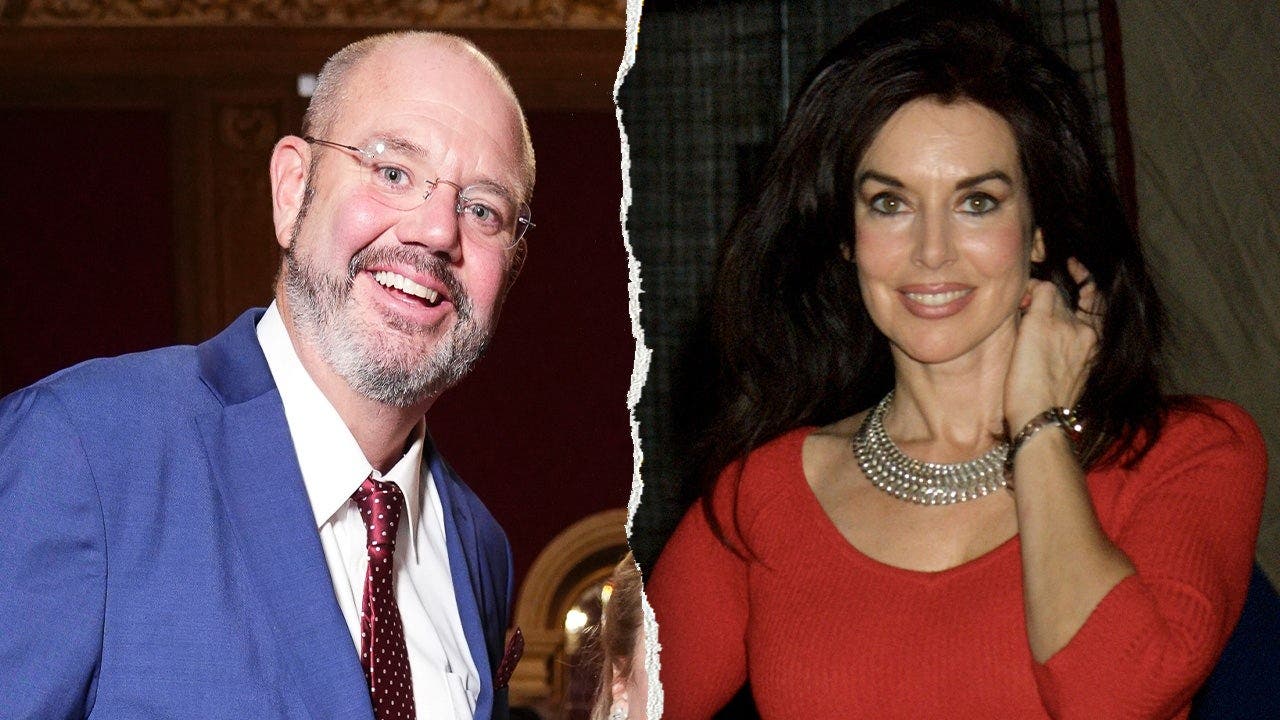
Rhode Island Republicans are staring at a tense primary that has split the race between two very different pitches: one candidate leaning into outsider energy and cultural confidence, the other stressing experience and a tighter grip on state government. Elaine Pelino, a former NFL cheerleader and media publisher, is presenting herself as the party-line option, while Aaron Guckian, a former aide to Gov. Donald Carcieri, is trying to win over voters who want a more measured, policy-heavy path. The contest stayed razor-thin into early Thursday, with the winner set to inherit a tough road in a state that usually gives Democrats the edge.
The race has turned into a test of style as much as substance. Republicans are hoping that whichever candidate survives can connect with voters who have not exactly been lining up for the party in recent statewide contests. That means the nominee will need to do more than just clear the primary field, because the general election map in Rhode Island is not exactly built for comfort.
Pelino has pushed a message built around merit, law and order, immigration enforcement, and school choice. At a candidate forum, she said, “This is what I’m going to do. I’m learning. Everything is a learning [curve] because I’m not a lifetime politician. I’m here because I love Rhode Island. And I want them to have a great life. I want them to live in a prosperous and safe place. We should get all the illegals out of here,” Pelino said at a candidate forum. That kind of plainspoken message is aimed at voters who are tired of polished political talk and want sharper edges instead.
Her background gives the campaign a very different flavor too. Before running for office, Pelino worked as a model, had time in media, and cheered for the Houston Oilers before the franchise eventually became the Tennessee Titans. She also launched Tigress magazine in 2011, which added another layer to a resume that looks more entertainment-world than statehouse.
Guckian has taken the opposite route, leaning hard into government mechanics and fiscal discipline. His pitch centers on fixing permitting, improving basic services, and being more careful with state revenue, all while warning that spending has run too hot for too long. He has argued that budget growth has “gone too far,” a line meant to land with voters who are watching costs and expecting more restraint.
On his campaign website, Guckian said, “The state budget increased from $9.3 billion in 2019 to more than $14 billion between 2024 and 2026, nearly 50% growth in five years, even as federal COVID relief dollars are expiring,” Guckian said on his campaign website. He added, “Rhode Island made a critical mistake. We built permanent commitments on temporary federal money.” That message is classic fiscal caution, and it is clearly aimed at Republicans who want a candidate who sounds more like a manager than a performer.
The Democratic side of the state’s politics still looms over everything. In the last election, Daniel McKee beat Republican Ashley Kalus 57.9% to 38.9%, a reminder of how much ground the GOP has to make up if it wants to be competitive statewide. That kind of math changes the tone of the primary, because it forces Republicans to think not just about winning the nomination, but about finding somebody who can survive the larger battlefield.
Pelino has tried to project energy and conviction, while Guckian has framed himself as the candidate who can get the state house in order. Those are two very different lanes, but both are built around the same reality: Rhode Island Republicans are looking for a break in a state that has not given them many lately. The final choice will say a lot about what kind of GOP message the party believes can actually travel beyond its base.
By the time the primary dust settles, the Republican nominee will need to pivot fast and start talking to independents, moderate Democrats, and voters who are frustrated with business as usual. The challenge is not just to sound credible, but to sound like a real alternative in a place where Democrats have held the upper hand for years. That makes every word in this race feel a little heavier, and every decision a little more visible.
