
Measles deaths in Pennsylvania have set off a sharp public fight, with state health officials, a county coroner, and federal leaders all offering different versions of what happened. The dispute has pulled in questions about newborn health, the meaning of “measles-associated,” and whether the official response moved too fast or not fast enough.
Pennsylvania health officials said two people died after testing positive for measles, marking the state’s first measles-related deaths in 35 years. Both were unvaccinated, according to the Department of Health, which described the deaths as “measles-associated” rather than saying measles was the sole cause.
That wording matters, and it has become the center of the argument. The state says measles was present and medically relevant, even if it was not listed as the immediate cause of death by a coroner or another certifier.
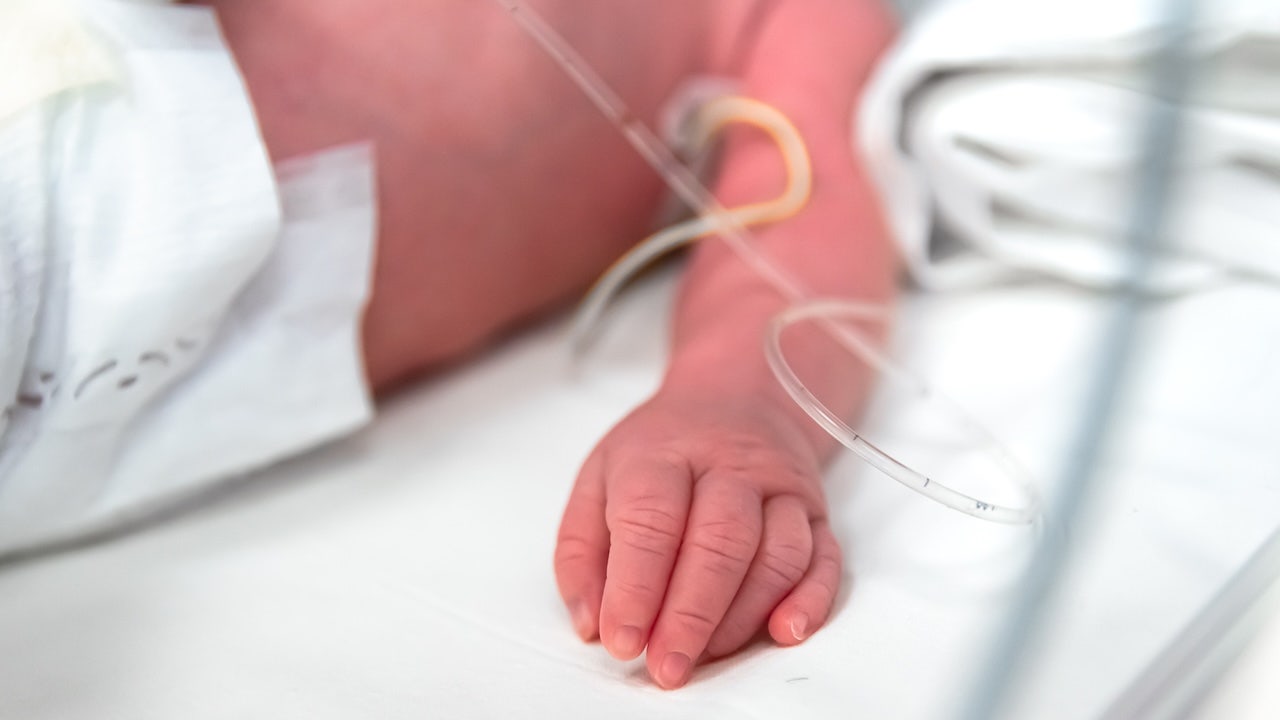
The challenge came after Lancaster County coroner Stephen Diamantoni said a newborn who died shortly after birth had a lacerated spleen and also tested positive for measles acquired before birth. His office was still looking into the case, and he said he was not aware of the other reported death.
Under Pennsylvania law, not every death is automatically sent to a coroner, which helps explain why the state and county accounts do not line up neatly. Still, the split has fueled confusion, especially because the newborn’s death involved more than one serious medical factor.
Doctors say measles can hit harder than many people realize. Dr. Marc Siegel noted that the virus can affect the spleen, sometimes causing it to enlarge and, in rare cases, rupture, while also raising the risk of pneumonia and other complications.
Newborns, pregnant women, and young infants are among the most vulnerable groups. Babies too young to get the MMR vaccine can face the steepest risk, which is one reason measles outbreaks tend to get taken so seriously by public health officials.
HHS Secretary Robert F. Kennedy Jr. jumped into the dispute and questioned whether Pennsylvania had given enough information to support the two reported deaths. In a post on X, he said the announcement may have been premature and suggested the deaths could have been “fabricated.”
He also took aim at Gov. Josh Shapiro and his office, accusing them of turning disease fears into political leverage. The tone was blunt, and it turned a medical dispute into a much bigger battle over trust, messaging, and who gets to shape the public narrative.
Shapiro fired back at a Tuesday press conference, arguing that the deaths showed the real-world damage caused by misinformation about measles vaccination. He later said Kennedy had stirred up confusion and, in his view, helped fuel lower protection and more cases.
The CDC stepped in too, saying it was working to figure out exactly what happened and noting that there were gaps in the information it had received. The agency said those gaps raised important questions and added that it had offered help that was not accepted.
Pennsylvania Health Secretary Dr. Debra Bogen pushed back on that account, saying the two deaths were reported to the CDC’s measles response team early Tuesday morning. She said state epidemiologists had investigated both cases thoroughly and confirmed that both individuals tested positive for measles.
Lancaster County Commissioner Josh Parsons also cast doubt on the conclusions, saying he did not believe the evidence was strong enough to pin both deaths on measles alone. The county sits at the center of Pennsylvania’s current outbreak, where officials have been tracking a rising case count and a growing number of hospitalizations.
“If the impact of measles on the immune system or stress on other major organs as a result of the disease leads to death, that would be a measles-associated death,” Siegel said. “It has to do with whether the immediate cause of death is from measles itself, as in measles pneumonia, or due to damage to the immune system and secondary infections or other diseases that result.”
That kind of explanation is why the phrase “measles-associated” carries so much weight. It signals that a virus can be part of the chain of events even when something else is listed first on the death certificate, and that distinction is now driving the whole controversy.
