
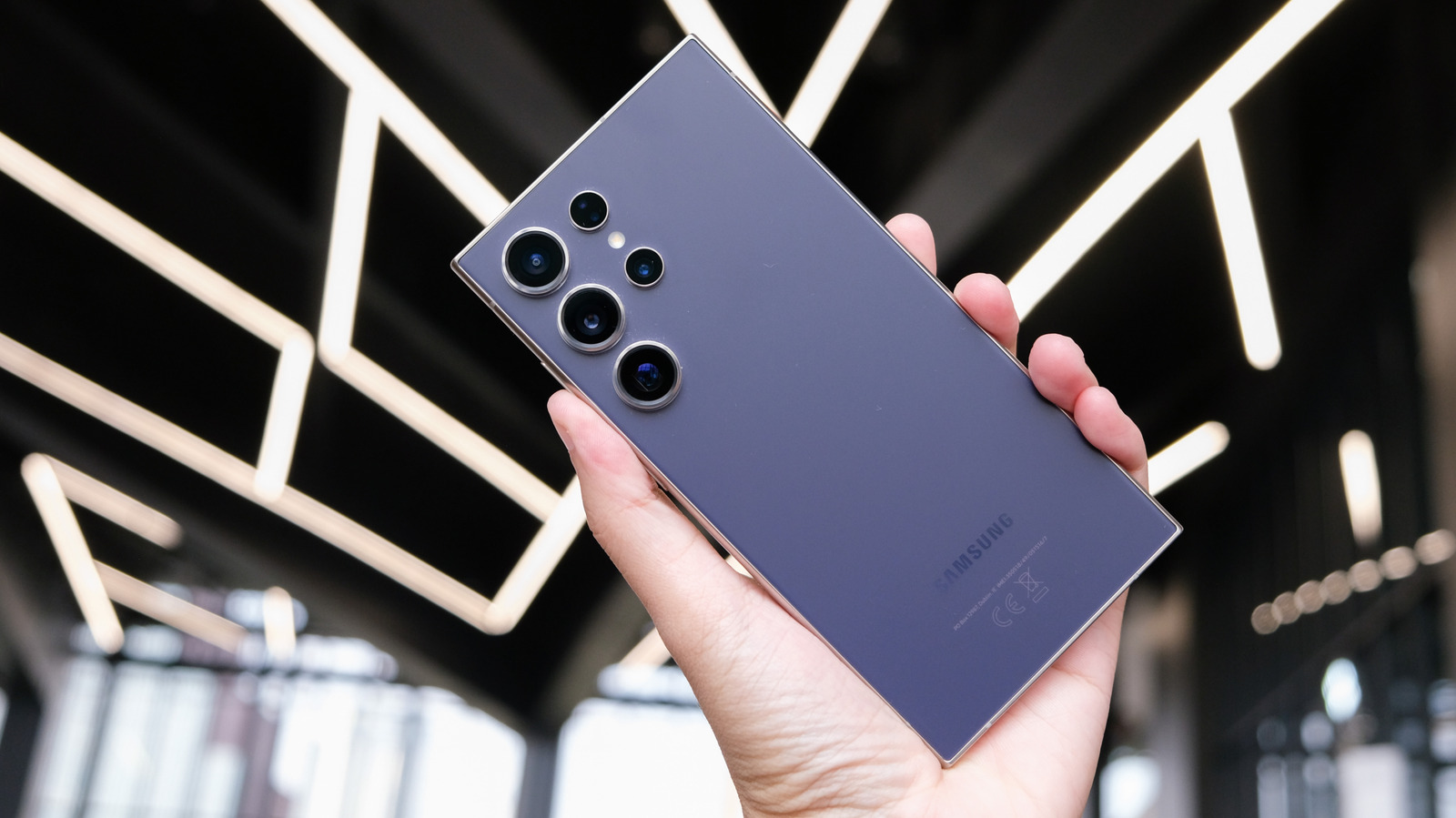
Smartphone flagships have started to feel like steady refinements instead of dramatic leaps, and that shift changes how smart buyers approach upgrades and value.
The last few flagship cycles focused on polishing features rather than reinventing the phone, so raw year-over-year gains are often small. Processors get a modest speed bump, cameras gain extra tricks, and software smooths out rough edges, but the user experience stays familiar. For most people, that means waiting for a genuinely new feature or a sizable price drop makes more sense than reflexively buying the newest model.
Battery life and real-world speed are two areas where many shoppers see little difference between consecutive flagship models. Benchmarks and marketing talk often overstate advantages that rarely change how a phone feels during a busy day of messages, streaming, navigation, and photos. If your current device still lasts through the day and handles apps without slowdown, an upgrade is less urgent than ads would suggest.
Cameras headline many product launches, but camera upgrades are usually iterative and focused on software processing or sensor tweaks. Those improvements can be meaningful to photo enthusiasts, yet for average users the difference between last year’s top model and this year’s is often subtle. If picture quality matters most, compare side-by-side samples and think about whether extra features like periscope zoom or advanced stabilization will actually be used regularly.
Another reason to pause before buying the newest flagship is cost. Launch prices for premium phones keep climbing and the value proposition narrows when improvements are marginal. Buying last year’s model or a well-maintained used flagship can deliver almost the same performance and camera quality at a fraction of the cost, freeing up budget for accessories, cases, or a better data plan.
Software updates change the calculus too, because long-term support extends the useful life of a phone. Many manufacturers now promise multiple years of OS and security updates, which means that hardware stays relevant for longer. That makes holding onto a device for three years or more not just practical but often the most economical and sustainable choice.
There are clearly exceptions where upgrading promptly makes sense, like a broken device or a genuinely novel category shift. Foldables, for example, are still evolving quickly and early adopters can gain new utility from each generation. Similarly, if a particular new flagship adds a feature that matches how you use your phone every day, getting it sooner can be justified.
Resale value and trade-in offers add another layer to the decision. Manufacturers and carriers sometimes boost trade-in credits around launches, which lowers the effective price for an upgrade. But those offers vary widely and can vanish fast, so plan carefully rather than letting a marketing push drive an impulse trade-in that leaves you with less long-term value.
Repairability and battery replacement options matter if you want a phone to last. Devices that allow battery swaps or have straightforward repair paths are easier to keep in service longer, reducing the need for a new purchase. If sustainability and total cost of ownership are priorities, factor in how easy and affordable it will be to keep a handset running through years of daily use.
Accessories and ecosystem investments shape whether a new flagship is worth it right away. If you’ve built up cases, chargers, docks, and wearables that work perfectly with your current model, the small benefits of a newer phone might not justify the hassle and expense of swapping everything. Think of upgrades as a systems decision, not just a one-item replacement.
Ultimately, the plateau in flagship innovation means consumers can be choosy and strategic instead of following the hype cycle. Target upgrades to moments when hardware improvements align with real, measurable benefits in your life. That approach saves money, reduces waste, and often delivers a better user experience than chasing the latest release.
