
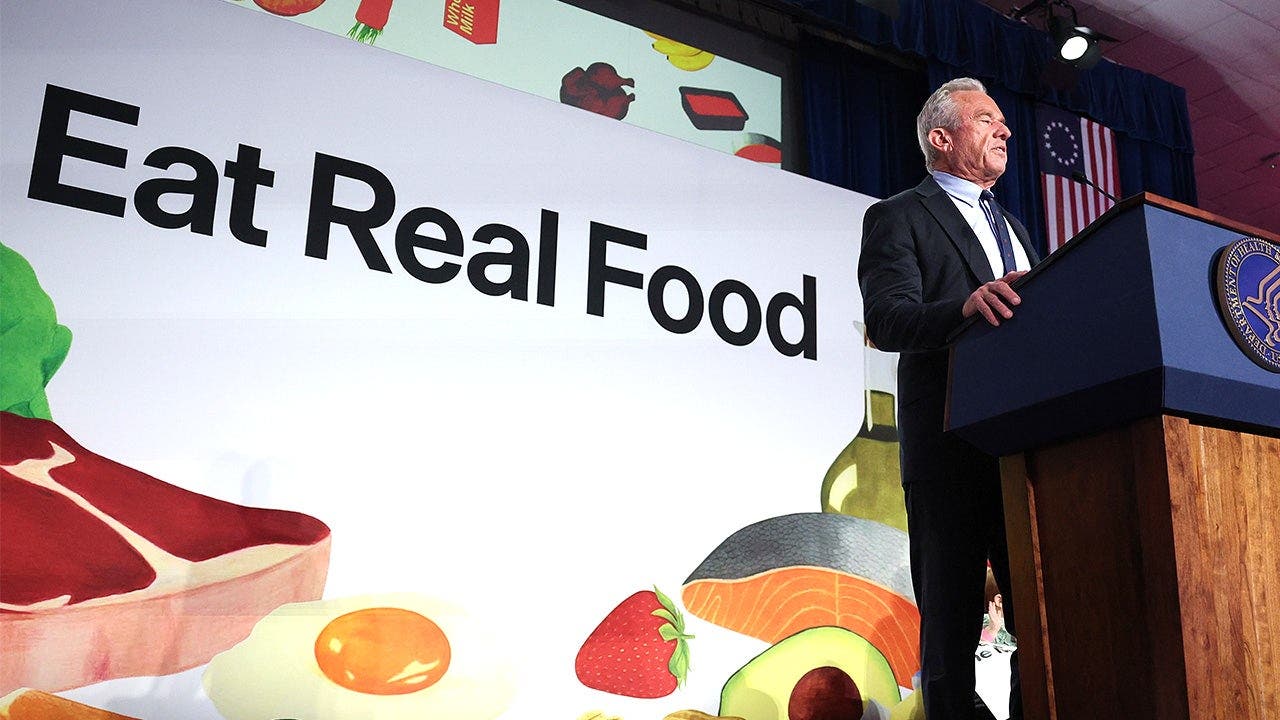
Republicans are facing a real opening with MAHA moms, a voting bloc that cares less about party slogans and more about what ends up in the pantry, the tap, and the air. They are drawn to food safety, public health, and cleaner environmental standards, but they also want practical solutions that do not turn into a bloated government mess. That mix makes them a powerful audience and a tricky one, because they are not looking for empty gestures or cheap talk about affordability.
What helped pull many of these voters toward Trump in 2024 was the sense that someone in Washington was finally taking their worries seriously. RFK Jr. gave voice to concerns that had been brushed aside for years, especially around chronic disease, ingredient lists that look like chemistry homework, and the growing suspicion that the modern food system is working against families. For a lot of moms, that message landed because it felt grounded in daily life, not campaign-spin fantasy.
The appeal is simple enough. Families want healthy food that does not cost a fortune, and they want confidence that the water they drink and the food they buy are not loaded with hidden risks. That is why debates over food dyes, pesticides, ultra-processed foods, and drinking water contaminants resonate so strongly, even with voters who do not usually follow policy fights. These are kitchen-table concerns with real consequences.
There has been some progress, and that matters. The administration has moved to crack down on old loopholes that let food companies introduce new chemicals without clear FDA notice, while federal agencies have started paying closer attention to ultra-processed foods and emerging contaminants in water. Those steps may sound technical, but to MAHA moms they signal something bigger: a willingness to challenge a system that has too often put convenience and profit ahead of health.
Still, the picture is not clean. The same administration that is talking tough about food additives has also shown a softer hand toward glyphosate and other pesticides that worry many families. That tension makes the coalition uneasy, because these voters can spot mixed messages fast and they know when a party is trying to have it both ways. They are not asking for perfection, but they are absolutely looking for consistency.
That is where Republicans have to be smarter. A conservative approach does not need to look like a copy of the left’s regulatory playbook, but it does need to acknowledge that environmental health is not a sideshow. Families want cleaner food, safer water, and less exposure to harmful substances, and they want those goals pursued in a way that respects choice, markets, and local control.
Farm policy is a perfect example. Many growers are stuck in a system that pushes them toward chemical dependence through subsidies and habits that are hard to escape. A better conservative strategy would reward regenerative practices, healthier soil, and lower-input farming without turning agriculture into another command-and-control project from Washington.
Energy policy fits into the same picture, even if it does not always get treated that way. Food gets more expensive when energy is expensive, because every step from harvesting to refrigeration to shipping depends on it. If power is cheaper and more reliable, the cost of fresh food drops too, which is exactly the kind of quiet help families notice at the store.
That is why this issue reaches beyond labels and talking points. It is not about pretending environmental concerns are left-wing or pretending every regulation is bad. It is about applying conservative instincts, including innovation, private-sector solutions, and lighter-touch policy, to problems that families actually face.
The GOP has a short window to show it means what it says. MAHA moms are listening, but they are not signing any blank checks, and they can tell the difference between genuine concern and campaign-season theater. If Republicans want them in the column, the answer has to be a serious agenda that treats health, food, water, and the cost of living as one connected fight.
