
Trump is pushing hard for an end to the war in Ukraine, but the real question is whether Moscow is being asked to give up anything meaningful in return. Kyiv is under strain, Patriot interceptors are in short supply, and Washington is juggling military readiness, diplomacy, and pressure tactics all at once. That mix has left plenty of people wondering if the burden is landing too heavily on Ukraine while Russia gets breathing room.
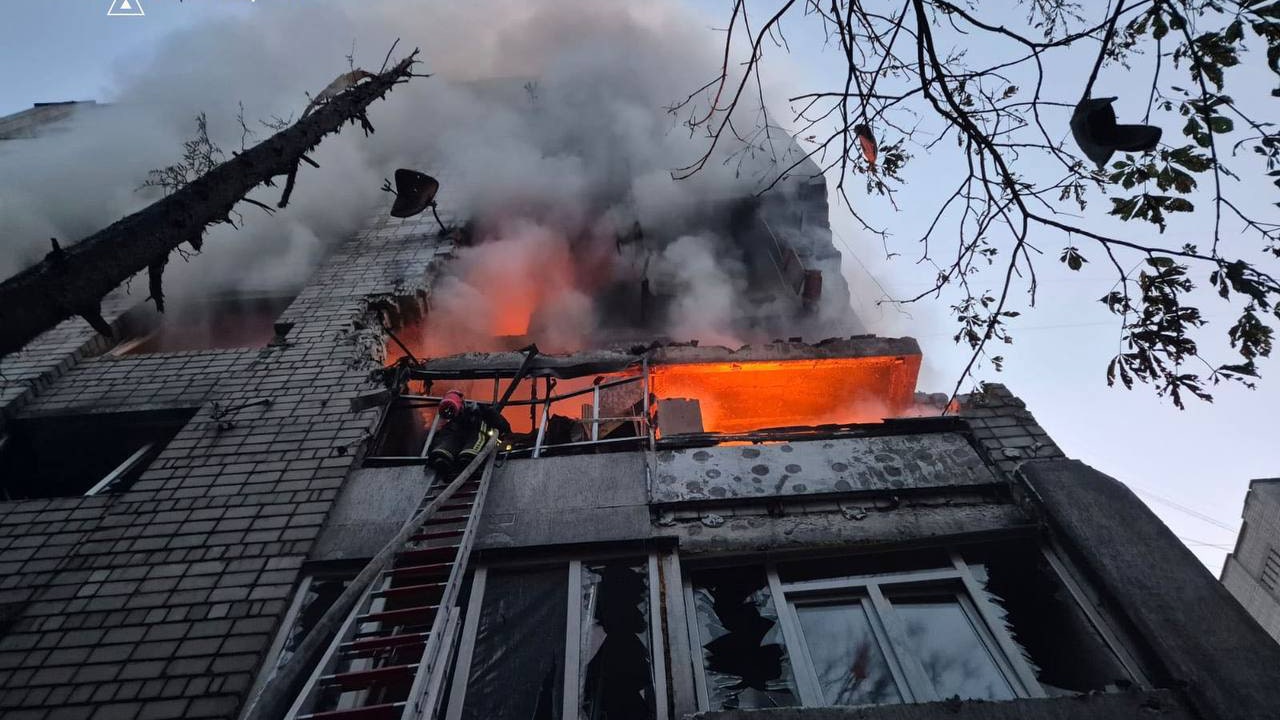
Russian missiles are still slamming into Ukrainian cities, even as debate swirls over delayed interceptor transfers and tighter control of the weapons pipeline. A Ukrainian official reportedly said only “a couple” of interceptors remained, which makes every delay feel a lot more urgent. At the same time, Secretary of State Marco Rubio said, “There’s nothing being deliberately denied to Ukraine,” leaving the administration to argue that scarcity, not politics, is driving the pace.
Scarcity is a real issue. Patriot interceptor production has been stretched thin by heavy demand, and American stockpiles matter because they protect U.S. troops as well as allies. Europe may be helping fund the effort, but American inventory still dominates the actual delivery chain, which means Washington controls how much and how fast Ukraine gets.
That control matters because it can look a lot like leverage. Reports have suggested the White House has used aid pressure to shape Ukraine’s strikes on Russian energy targets, and the satellite-and-intelligence disputes have only added more confusion. Trump has denied some of the claims, but the overall pattern still raises a blunt question: is this about conserving resources, or steering Ukraine toward a deal on Washington’s terms?
The pressure is not only military. Trump has also pushed for a freeze in the fighting and floated a broader reset, including energy-related steps that were supposed to calm the battlefield. Yet Russian strikes kept coming, power grids kept getting hit, and the Kremlin never behaved like it had signed on to a real ceasefire. That makes any relief for Moscow look especially one-sided.
There is also the diesel angle, which has become a political and economic talking point in its own right. Washington granted a license for certain Russian diesel transactions, with the hope that a little economic relief might improve Moscow’s negotiating posture. The problem is that whatever help this brings to American fuel prices is uncertain, while Russia’s gains are immediate and easy to see.
That is where the deal starts to look lopsided. If Ukraine is being asked to hold fire on some targets, freeze fronts, or accept pressure on its military posture, then Putin should be facing equally hard limits. A real bargain would require Russia to stop hammering the power grid, stop striking cities, and accept monitored terms that actually mean something when violated.
Putin has shown little interest in anything that smells like equality. When Ukraine floated a temporary ceasefire, Moscow rejected it and kept pushing for its own preferred “overall settlement,” which is usually code for terms written in the Kremlin. That is not compromise, and it is not peace, it is just a demand that Ukraine bend until the pressure breaks.
There is also a bigger strategic problem hiding underneath all this. Russia keeps acting like time is on its side, but the battlefield has not exactly rewarded that confidence. Front lines have been grinding, advances have slowed, and the Kremlin’s dream of dictating the map has run into a stubborn, expensive reality.
That leaves Washington with leverage of its own, if it chooses to use it wisely. Any serious peace effort would have to protect American stockpiles, keep Europe paying its share, and make Russian compliance the price of any relief. That means snap-back penalties, monitored limits, and no fantasy summit where Ukraine gets discussed as if it were not even in the room.
Trump clearly wants the killing to stop, and that goal is not the problem. The problem is simple enough to see: peace talks mean very little if only one side is being squeezed. If Moscow wants relief, it should have to earn it with restraint, not collect it while missiles keep falling and Ukraine keeps bleeding.
