
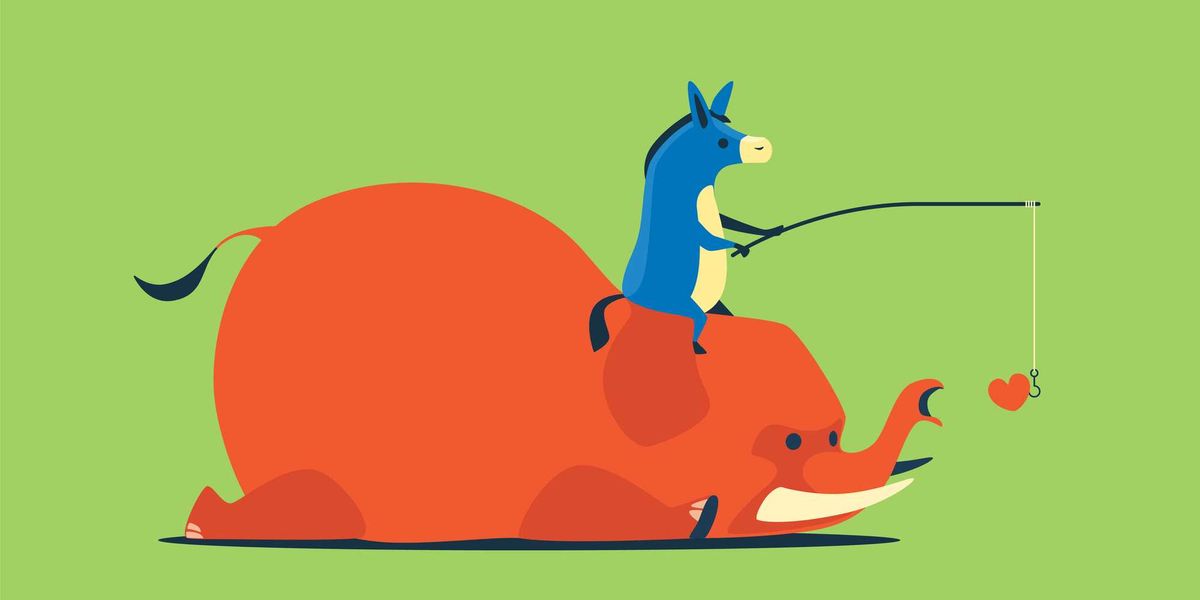
American politics keeps rewarding the same stale habit: make a mess, blame somebody else, then ask for more money and more patience. That rhythm has become especially familiar on the right, where promises are big, results are thin, and the gap between the two keeps growing. Voters are left watching a brand built on outrage struggle to turn noise into actual wins.
That is part of why frustration keeps building inside the Republican coalition. The old formulas that once energized the base do not land the same way now, especially when they are repeated without much to show for them. What used to feel like a movement with momentum can start to look like a brand running on fumes.
The Tea Party era made a lot of people believe the GOP had finally found its backbone. It offered a sharp, rebellious tone that sounded like a clean break from business as usual, and for a while that energy shook up the party in a big way. But energy is not the same thing as discipline, and over time the movement’s edge often gave way to the same old habits it was supposed to replace.
Rush Limbaugh understood how to light up a crowd, and his influence helped shape the modern conservative media world. He knew how to frame every fight as a simple contest between common sense and elite nonsense, and that message hit hard. The problem is that a great amplifier can hide a weak signal, and plenty of Republicans have spent years mistaking volume for strength.
That mismatch is now easier to see. When the public is promised competence, grit, and a clear direction, the result cannot keep being hand-wringing, internal feuds, and a fresh round of excuses. The voters who keep showing up expecting steel are getting too much theater and too little finish.
Some of the irritation also comes from the sense that Republican leadership keeps stumbling into avoidable traps. The party likes to talk tough about waste, fraud, and broken systems, but then it often gets tangled in the very institutions it swears it wants to reform. That creates a nasty contrast between the loud message and the messy reality.
Look at the way debates over agencies and spending keep dragging on. There is plenty of public appetite for tightening the screws on bloated government, yet the fight too often shifts into self-inflicted chaos instead of meaningful pressure. People notice when a party talks like a wrecking ball but behaves like a committee meeting.
That pattern feeds the larger perception problem. Republicans are at their best when they are clear, direct, and willing to say what everyone else is afraid to say. They are at their worst when they slip into defensive spin, act shocked by predictable blowback, and then ask voters to pretend it is all part of some master plan.
The base can smell that stuff from a mile away. Supporters are not looking for polished consultants or focus-group mush, but they do want evidence that the party still knows how to fight and win. When the response is just more slogans, more excuses, and more finger-pointing, the crowd starts drifting from loyal to tired.
That is where the Republican brand gets dangerous for itself. If every setback is treated like a temporary glitch, then nothing ever has to change. The cycle just keeps spinning, with new villains, new outrage, and the same disappointing finish line waiting at the end.
There is still a path for the party if it wants one, and it starts with honesty about what is not working. Big talk only matters if it leads somewhere real, and voters can tell when a message is built to rally the faithful instead of solve the problem in front of them. In a political environment this unforgiving, style alone cannot keep carrying the load.
The bigger question is whether Republicans want to keep living off old energy or build something that can actually stand up under pressure. The crowd that once fed on rebellion now wants results, and it has grown less interested in being told that every setback is somebody else’s fault. That impatience is not going away anytime soon, especially as the next round of promises starts rolling out and the same old test of credibility comes right back around.
