
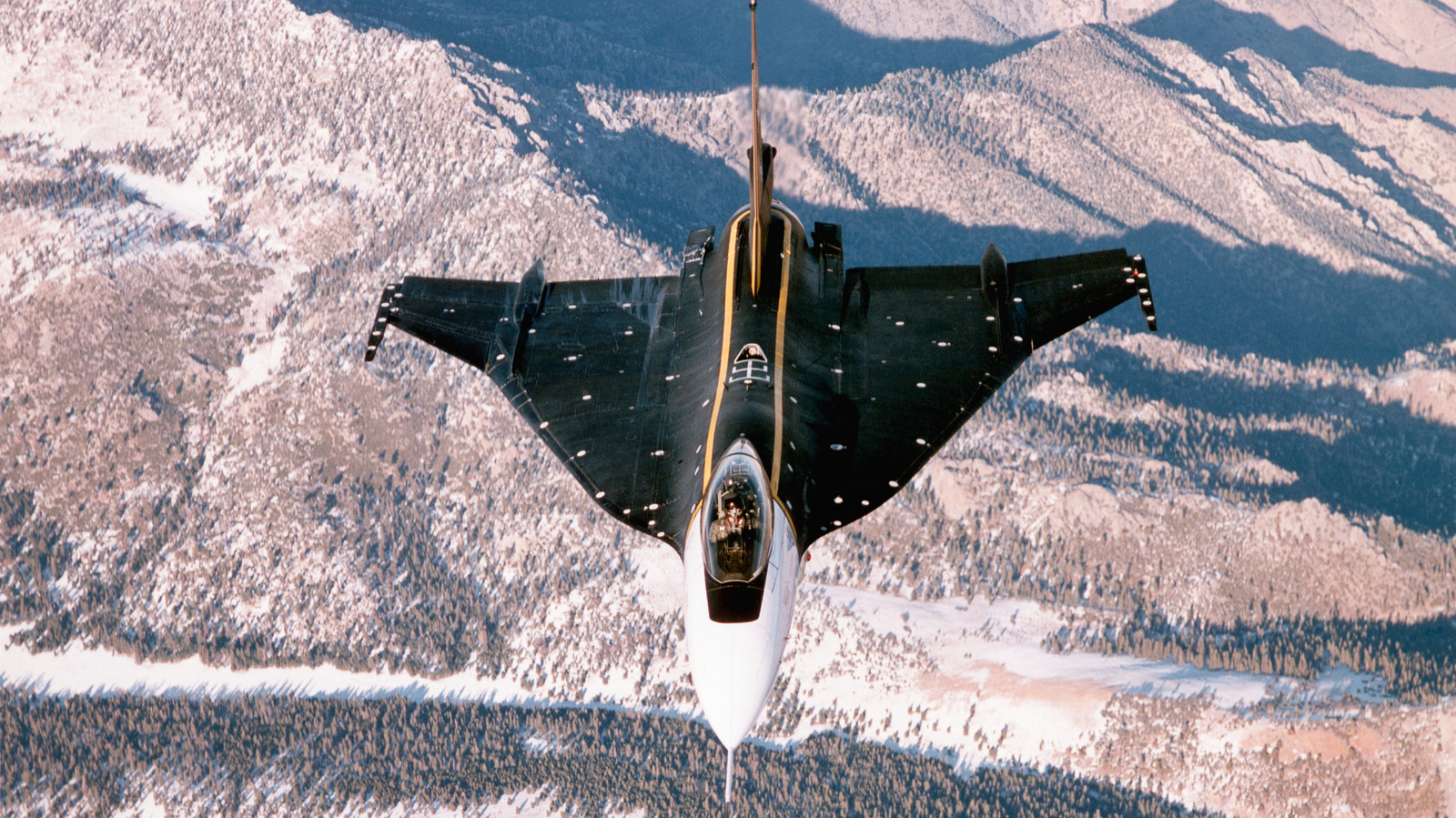
There was a time when a familiar airframe took on an uncommon job and, for reasons both practical and political, the program stopped at two. This piece looks at how a routine plane turned into a rare specialized variant, what made it different, and why only two ever left the factory. Expect descriptions of design choices, mission roles, and the odd legacy that follows two aircraft no one expected to matter so much.
The idea began with a clear problem and a simple solution: adapt what already worked instead of starting from scratch. Engineers and officers asked whether a proven platform could pick up a very particular duty without wrecking its general usefulness. The result was a compromise design that kept most of the original plane intact while shoehorning in mission-specific hardware.
What set this variant apart was its singular mission equipment, not an entirely new airframe. Modifications focused on internal systems, sensors, and a few structural tweaks to carry extra gear and absorb the added weight. From the outside these two looked familiar enough, but inside they carried capabilities their standard siblings did not.
Building only two airframes was never the plan at first, but budgets and strategy shifted the project into a tight niche. Decision makers evaluated the cost of scaling up against the size of the market and the urgency of the need. When those numbers didn’t line up, production stalled and the program froze at the prototype stage.
Operational use proved interesting in its own right; the pair flew a mix of test sorties and limited deployments that informed future designs. Crews learned how the altered systems behaved under real conditions and how maintenance crews adapted to the quirks. These lessons mattered more than the number of aircraft, shaping doctrine and procurement choices later on.
Political winds had a role too, as funding priorities shifted toward other platforms and threats. The specialty job these planes filled was suddenly not the headline problem it had been when the program started. With no headline urgency, the expense of expanding a tiny production run became harder to justify.
Technically, the two aircraft served as a live lab, helping designers validate ideas that might otherwise have stayed on paper. They verified sensor integrations, power management under strain, and real-world reliability for novel components. Those practical confirmations fed into future upgrade paths for more numerous platforms.
From a maintenance standpoint, limited quantity had tradeoffs: spare parts and expertise became precious and difficult to sustain. Keepers of the fleet had to improvise with cannibalization and clever workarounds, which is not ideal but often necessary. That improvisation taught logistics teams how to be nimble with scarce assets.
The crews who flew these machines developed a special pride; handling something rare creates a tight bond between people and equipment. Flight diaries and after-action notes from those pilots show a mix of admiration and frustration—admiration for capability, frustration for the limits of scale. That human element is part of why these two continue to be talked about in niche circles.
When the planes eventually left active service, they didn’t vanish into obscurity entirely. Museums, private collections, and training squadrons showed interest because rarity amplifies curiosity. Even without widespread deployment, a twin set of prototypes can influence minds and engineering priorities for years.
The story of two aircraft may sound small, but it captures how defense innovation often works: try something targeted, learn fast, and then decide whether to commit. Sometimes the experiment grows into a fleet, and sometimes it stops at a couple of useful machines that leave a disproportionate mark on doctrine and design. Either way, the specialized variant proved that even limited runs can have long echoes in aviation circles.
