
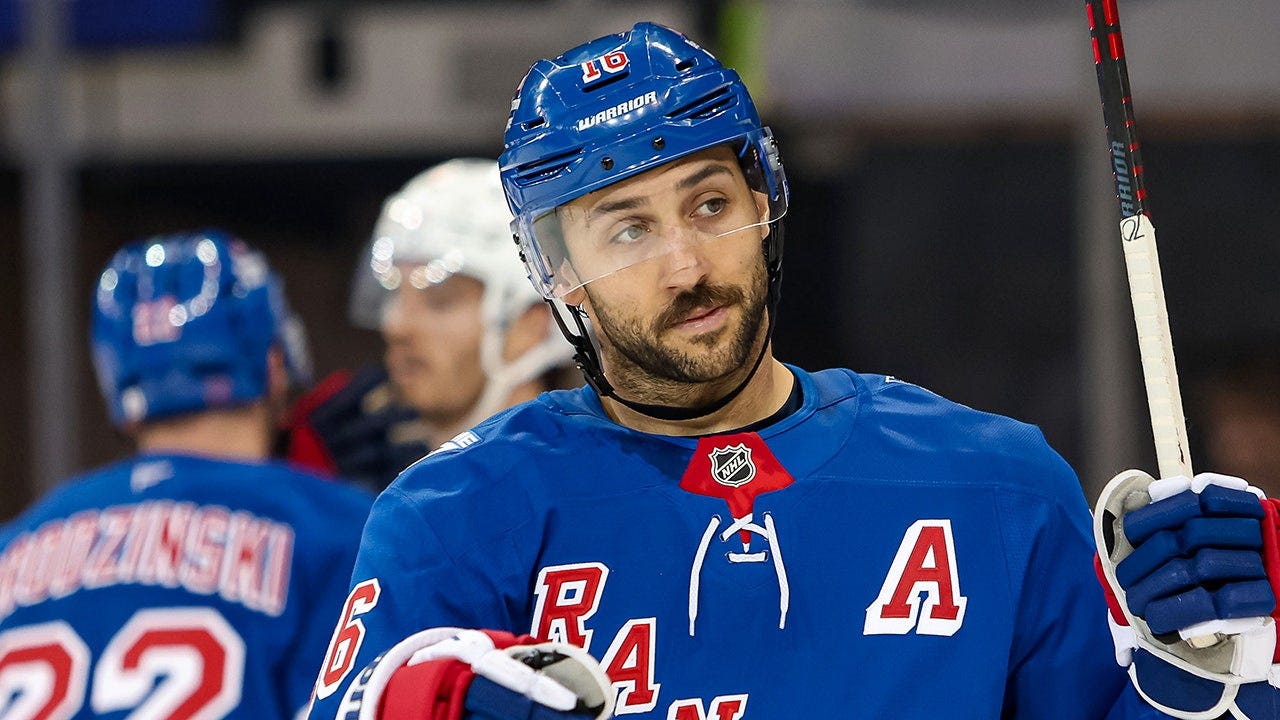
New York Rangers forward Vincent Trocheck has revealed a bacterial lung infection and ensuing surgery were behind the 14-game absence that surprised fans and puzzle pieces in the lineup, and he spent about a week hospitalized as part of his care and recovery.
The revelation came as a clear explanation for the sudden gap in his season, and it underlined how quickly a professional athlete’s availability can change. Trocheck’s situation was medical rather than disciplinary or hockey-related, and that matters when a team is trying to plan and play at a high level. Teammates and staff have described the response as focused and pragmatic.
Medically speaking, bacterial lung infections can range from manageable to serious depending on timing and complications, and Trocheck required surgery and inpatient care for roughly a week. That level of intervention explains why recovery had to be handled carefully, not rushed just to get a top-line player back on the ice. The club brought in specialists and kept monitoring his progress as he moved from hospital to rehab.
On the ice, the absence left a measurable hole. Missing 14 games in a condensed schedule forces coaches to shuffle lines and roles, often giving younger players minutes they might not otherwise see. Those opportunities can change the look of a lineup, and they also test a team’s depth and coaching adaptability. For the Rangers, everyone had to step up while Trocheck recovered.
From a conditioning perspective, pulmonary recovery is not the same as rehabbing a strained muscle or broken bone. Breathing and stamina are central to a hockey player’s game, so the return plan focuses on carefully rebuilding cardio fitness without triggering setbacks. Trainers prioritize gradual ramp-up, monitoring oxygen levels, exertion responses and how his body tolerates progressive practice loads.
The mental and emotional toll of a health scare should not be discounted. Athletes are used to pain and bumps, but hospitalization and surgery add a layer of uncertainty that can linger even after physical markers improve. Support from teammates, coaches and medical staff helps, and a patient approach reduces the risk of pushing too hard too soon. Trocheck has leaned on those around him while keeping his sights on getting back to full strength.
Practically, the timeline for a full return depends on several moving parts: the surgeon’s assessment, follow-up imaging, pulmonary function checks and how Trocheck responds to on-ice conditioning. There’s no useful shortcut when it comes to lung health, so the team has been cautious with milestones like full-contact practice and game speed drills. Fans will likely see a staged comeback rather than a sudden leap back into top minutes.
For the Rangers, the incident highlights the value of roster flexibility and the need for depth. When a key player is unexpectedly sidelined, systems and strategies must absorb that absence without collapsing. That often means other forwards pick up defensive responsibilities, line chemistry shifts and special teams get tweaked. Coaches learn and adapt, and younger players get a chance to stake claims for future roles.
Trocheck’s experience also serves as a reminder of how quickly health can become the primary storyline in a season. Teams invest in medical staffs, conditioning programs and monitoring precisely because one episode can ripple through a campaign. Fans usually see the on-ice results, but behind the scenes there’s a complex recovery protocol that aims to protect the player and the club’s long-term interests.
Looking ahead, his return will be measured against medical clearance and objective performance markers rather than calendar dates. That approach protects Trocheck and the team, and it increases the odds that when he does lace up again he will be effective and available. In a sport that prizes toughness, sometimes the smartest play is to let recovery run its course.
