
This piece walks you through practical ways to keep bug splatter from wrecking your car’s finish, with easy on-road habits, protective coatings, and cleanup moves you can use right away to minimize damage and make maintenance less of a chore.
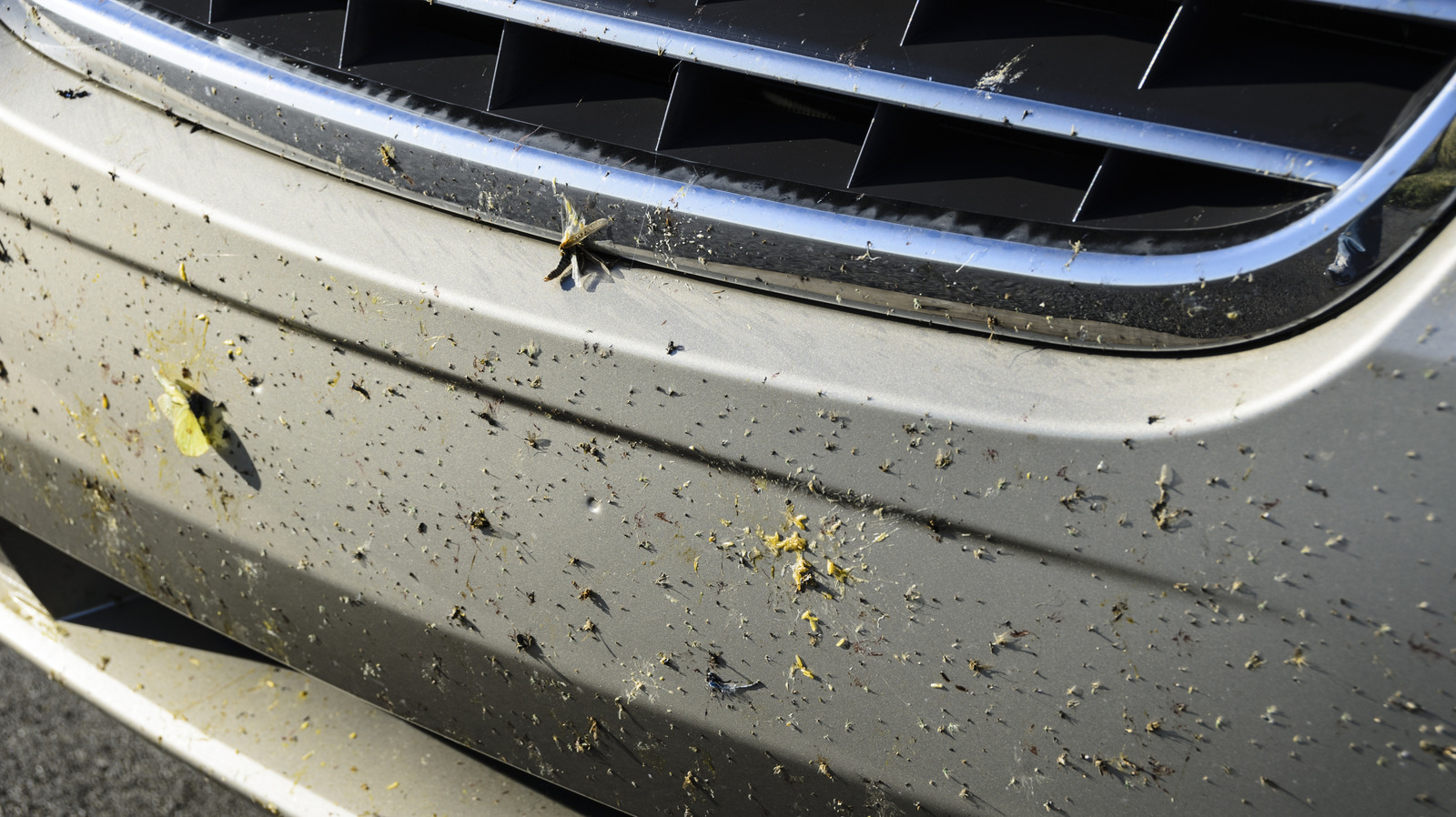
Bug guts are more than an ugly nuisance; they can chemically etch clear coat if left to bake in the sun, leaving tiny pits and stains that dull paint fast. The acid and enzymes in insect remains break down wax and sealants, so a quick hit on the road can turn into a long-term blemish if you ignore it. Treating the issue as a predictable seasonal problem, not an occasional annoyance, changes how you plan your drives and care for paint.
Simple driving habits cut your exposure dramatically without costing a fortune. Avoid repeated high-speed runs through insect-heavy stretches, especially at dawn and dusk when bugs swarm and visibility is lower. Try alternative routes when possible and give extra space to trucks and bikes that kick up a cloud of splatter behind them.
Investing in protective layers pays off more than you might think over a season. A quality wax adds a sacrificial surface that makes bugs easier to wash off, and ceramic coatings offer stronger chemical resistance and longer-lasting hydrophobic behavior. Both options reduce how aggressively insect residues bond to paint, which means less elbow grease and fewer micro-scratches during cleaning.
Keep a lightweight bug-removal kit in the trunk for those inevitable washes between full services. A spray-on bug remover or detailer, a soft microfiber towel, and a small folding bucket let you pre-soak and lift deposits instead of scrubbing them into the finish. Soaking first is the single best move to avoid dragging dried matter across paint and creating swirl marks.
When it’s wash day, follow techniques that respect the surface and extend protective coatings. Use the two-bucket method and a grit guard to stop abrasive grit from grinding into clear coat, and pick a neutral pH shampoo to protect wax and ceramic layers. Finish with a light blast of lubricant or quick detailer before you dry to prevent any stubborn bits from clinging during the towel pass.
For cars that see lots of open-road miles, consider physical shields and tweaks that change how bugs hit the vehicle. Hood deflectors and grille screens can redirect or stop a surprising amount of splatter, protecting the most vulnerable areas. Even modest changes in driving speed and lane position on rural roads make a measurable difference in how much residue ends up on the paint.
Long-term maintenance keeps paint looking fresh and reduces costly repairs down the line. Regularly inspect the clear coat for etching and follow up with gentle polishing if you spot damage; clay barring removes bonded contaminants before they embed permanently. Reapply wax or professional coatings on the recommended schedule to maintain that sacrificial barrier against future attacks.
Bug splatter is an unavoidable part of driving, but it does not have to become permanent damage or a constant chore. With a few practical habits, a couple of protective products, and smarter cleaning, you can keep your car looking sharp through the season and cut the time you spend on reactive repairs. Apply these tips and you’ll spend less of your weekend worrying about insects and more time enjoying the drive.
