
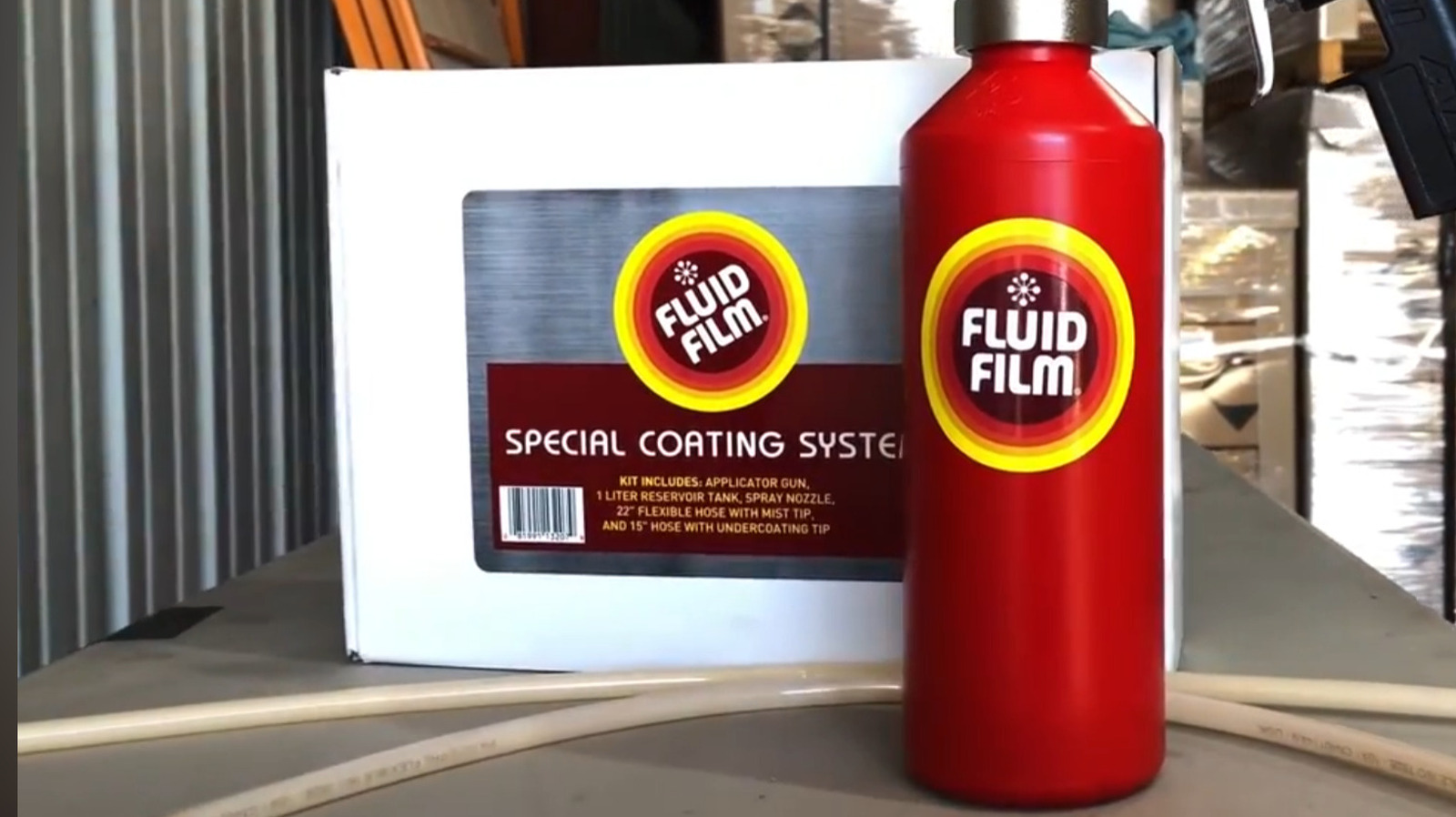
Fluid Film is a nontoxic protective coating for metal, built to stop corrosion and keep tools working without toxic solvents. This piece explains what makes it different from quick fixes, where it shines in real-world workshops and farms, and how to use it effectively while keeping safety and longevity in mind. Expect practical comparisons to common alternatives and straightforward tips on application and care.
At its core, Fluid Film is a protective treatment that creates a lasting barrier on metal surfaces. It’s designed to repel moisture and prevent rust rather than just mask the problem for a moment. That practical focus makes it appealing for people who want durable protection for tools and gear they rely on every day.
One of the biggest selling points is its low-toxicity profile compared with many aerosol lubricants and solvent-heavy sprays. That means less harsh fumes in the workshop and fewer chemical concerns when using it around the house or in a barn. Users often appreciate that it doesn’t evaporate quickly, so the protective layer stays put and keeps working without constant reapplication.
How it performs in the field matters more than brand promises. Fluid Film tends to cling to seams and irregular surfaces, slipping into joints and crevices to block moisture where it starts. That capacity to stay put and protect hidden areas is why many mechanics, farmers, and hobbyists reach for it when they want something that works over time instead of just fixing a squeak for an afternoon.
Compared with familiar options like multi-purpose sprays, Fluid Film is aimed at longevity rather than immediate slickness. It will lubricate, but its primary job is corrosion control and long-term preservation, not short-term freeing of stuck parts. For people managing outdoor equipment, vintage tools, or seasonal machinery, that longer-lasting defense often proves more valuable than a quick, greasy fix.
Application is simple and flexible: a brush, rag, or spray works depending on the job and access. Wiping excess away helps prevent drag on moving parts while leaving a thin protective film behind. Routine checks and reapplication in high-wear spots keep tools in service longer without a lot of fuss, and avoiding over-application reduces mess and buildup.
Safety and cleanup are straightforward since Fluid Film lacks many aggressive solvents; soap and water or a mild degreaser will handle most cleanup tasks. Still, use common-sense precautions with any protective coating: protect surfaces you don’t want coated and store products according to the label. For anyone keeping a toolbox, maintaining family vehicles, or prepping equipment for storage, it’s a practical option that emphasizes protection and ease of use without unnecessary chemicals.
