
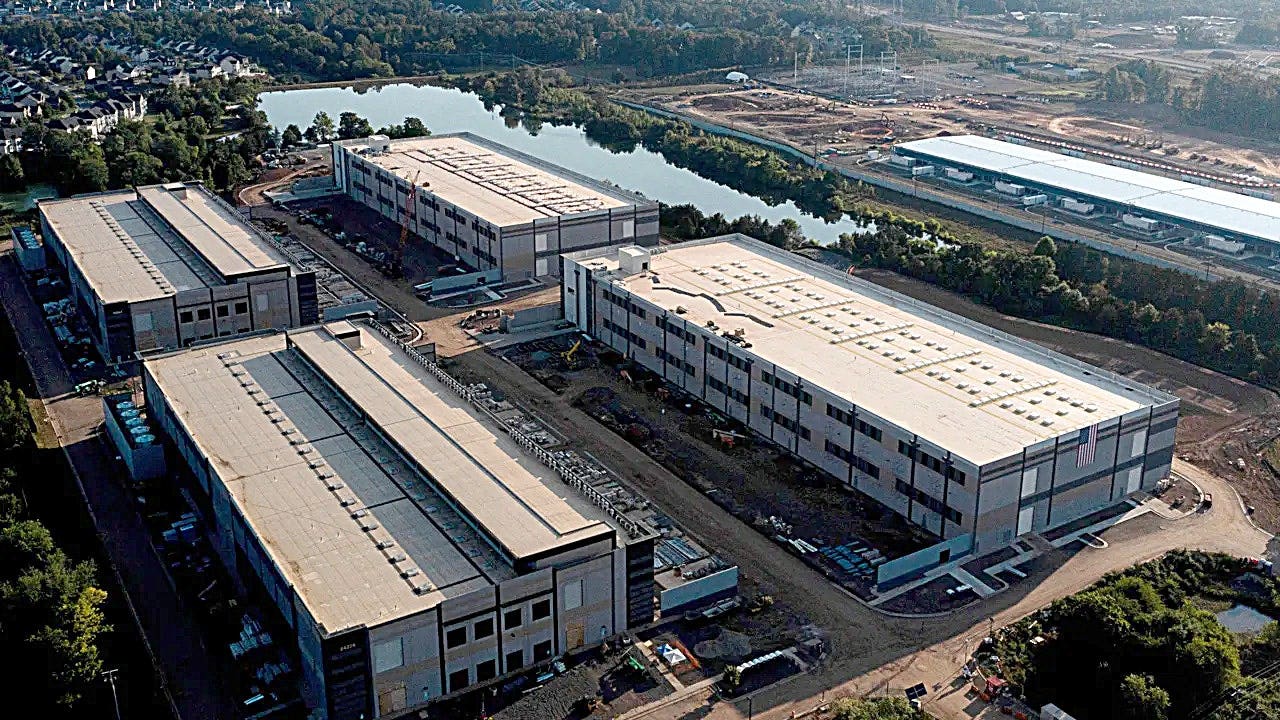
The debate over AI data centers is getting louder in rural America, and a new proposal tries to cool the anger by putting real money back into the hands of local residents. The idea is simple and pointed: if a community carries the burden of hosting the digital backbone of the AI boom, that community should get a direct cut of the upside too.
Supporters of the plan say the backlash is not just about noise or zoning fights. It is about a deeper feeling that outside companies are taking the prize while counties are left to deal with the strain on land, power, roads, and water. That resentment has fueled a wave of resistance, and in some places it has already turned into full-on political pressure.
The proposal, backed by the Bitcoin Policy Institute, calls for “data center dividends” that would send part of the tax revenue from AI facilities back to households in the towns and counties that host them. The pitch is that this would not raise taxes or add new costs for developers, but instead redirect money local governments already collect. Depending on the county and the size of the project, annual household payments could land in the thousands.
Sam Lyman, who leads research at the nonprofit, argues that the benefits of the AI boom should not stop at Silicon Valley. He says the communities building the infrastructure deserve a visible share of the gains, especially when they are the ones making huge facilities possible in the first place. The message is blunt, and that bluntness is part of the appeal.
The political climate around data centers has shifted fast. Polling cited in the report suggests a large majority of Americans now view these projects with suspicion, and opposition has spread well beyond the usual activist circles. What started as a local land-use fight is now tied to bigger arguments about who controls technology, who profits from it, and who gets stuck paying the bills.
That tension has given the issue a sharp edge. The report says moratoriums on new data centers have multiplied dramatically, showing how quickly local frustration can harden into policy. Even where lawmakers are still open to development, they are facing public meetings packed with worried residents who see the projects as another example of corporate power moving in before the dust settles.
The dividend model tries to flip that script. Instead of treating residents as obstacles, it treats them like stakeholders, with a direct claim on the revenue flow. That could come through annual checks, tax credits, utility bill credits, scholarship funds, or long-term investment pools built to keep paying out even if the data center eventually shuts down.
There is also a practical angle here that makes the idea harder to dismiss. Counties still need to fund schools, roads, police, and the rest of the basics before any payments go out. But once those obligations are covered, the remaining revenue can be turned into something residents can actually feel in their own wallets.
In places where the numbers are big enough, the sums can become eye-catching fast. A single large AI facility can generate enough tax revenue to make the annual payout meaningful in a rural county, especially where property values and budgets are much lower than in major metro areas. That is one reason the concept is getting attention far beyond tech policy circles.
Some lawmakers are already experimenting with related ideas. Louisiana has moved toward letting local governments offer tax credits funded by new data center revenue, and West Feliciana Parish has explored ways to share the gains from a major AI campus expected to bring in serious money. Alaska’s Permanent Fund also gets pulled into the conversation because it shows how resource wealth can be turned into a public dividend instead of disappearing into the system.
For supporters, the heart of the matter is fairness. Rural communities often have the land and the power capacity that data centers need, but those same communities can feel like they are being used rather than included. The dividend approach is meant to make the economic bargain visible, and that visibility may matter as much as the dollars themselves.
The fight over AI infrastructure is not calming down anytime soon, and the pressure is only going to rise as more projects land in smaller counties. As that happens, the question is likely to sharpen around a basic deal: if a town is expected to host the machines that feed the AI economy, how much of that economy should come back home?

1 Comment
Needed & or
Cut electric bills alone can Help