
Cychlorphine has quickly become a grim name to know, with health officials and addiction experts warning that the synthetic opioid is showing up in fatal overdoses across multiple states. Reports tied to Tennessee, Illinois, California, and Oklahoma point to a drug that is not approved for medical use, is often hidden inside counterfeit pills or other illicit substances, and may hit harder than fentanyl while slipping past some of the tools used to spot overdose risk.
Federal and state warnings have painted a disturbing picture. Tennessee officials identified more than 30 fatal overdoses connected to cychlorphine since October 2025, and a later federal notice said the toll had climbed to at least 41 in the state and at least 55 nationwide. That kind of spread shows how fast a dangerous drug can move once it gets into the street supply.
The scariest part is the strength. Cychlorphine acts on the same opioid receptors as fentanyl, but experts say even tiny amounts can shut down breathing, cause deep sedation, or kill in minutes. The Los Angeles County Department of Public Health has warned that such a small dose can be enough to stop someone from breathing.
That is why the drug has drawn so much attention from people working on the front lines of addiction. Nicholas Kardaras, Ph.D., who leads the New York Center for Living and teaches at Stony Brook Medicine, described cychlorphine as “the new fentanyl on steroids.” He said fentanyl is already about 50 times stronger than morphine or heroin, and cychlorphine may be up to 10 times stronger than fentanyl.
That comparison puts the danger in blunt terms. If the estimate holds, the new opioid would be roughly 500 times more potent than morphine or heroin. In a world where a grain-sized amount of fentanyl can already be deadly, that kind of jump is a nightmare for emergency rooms, families, and first responders.
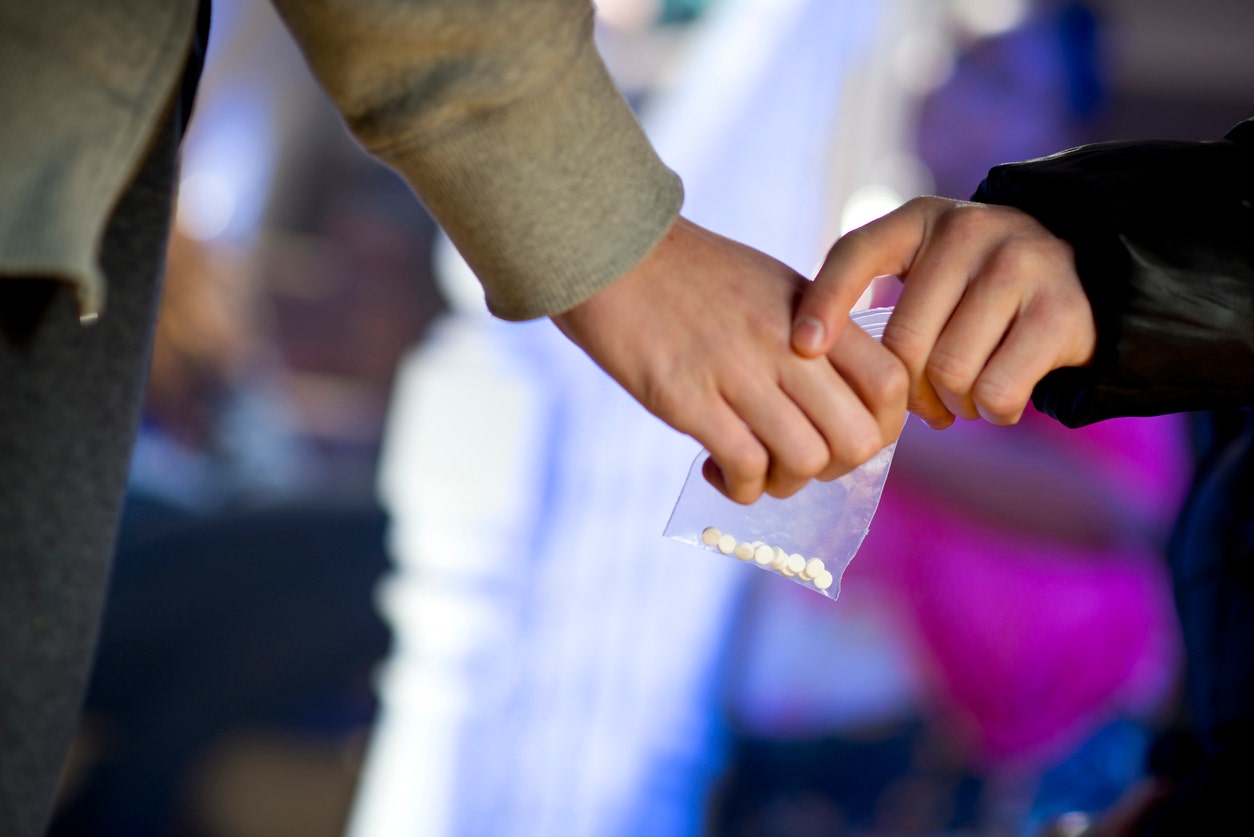
The drug is not just turning up in one form either. Experts say cychlorphine can be taken as a pill, snorted as powder, or injected after being crushed. It has also been found mixed into other designer drugs and counterfeit pills, which means some users may have no idea they are taking it at all.
That uncertainty makes the overdose problem even messier. Someone may think they are buying a familiar street drug or a fake prescription pill and instead be exposed to a far more powerful synthetic opioid. Younger people can be especially vulnerable because experimentation and counterfeit pills can create a fast path to accidental poisoning.
Naloxone can still save lives, but the response may not be simple. Kardaras said cases involving cychlorphine may require more than the one or two doses people have come to expect, with some overdoses needing several rounds before the opioid effects are reversed. That puts even more pressure on bystanders to act quickly, call 911, and keep giving naloxone if the person is not waking up.
Another problem is that routine testing may miss it. Standard fentanyl test strips and typical hospital opioid urine screens do not reliably detect cychlorphine, which leaves a dangerous blind spot for health workers and people trying to avoid the drug supply. In practical terms, that means the usual safety nets are not always catching the newest threat.
The bigger warning is simple and ugly. A drug that can be slipped into counterfeit pills, evade common tests, and overwhelm the body in tiny amounts creates a perfect storm for sudden death. Health agencies and addiction specialists are treating cychlorphine as the kind of street poison that can move fast, hide well, and leave almost no room for a second chance.
