
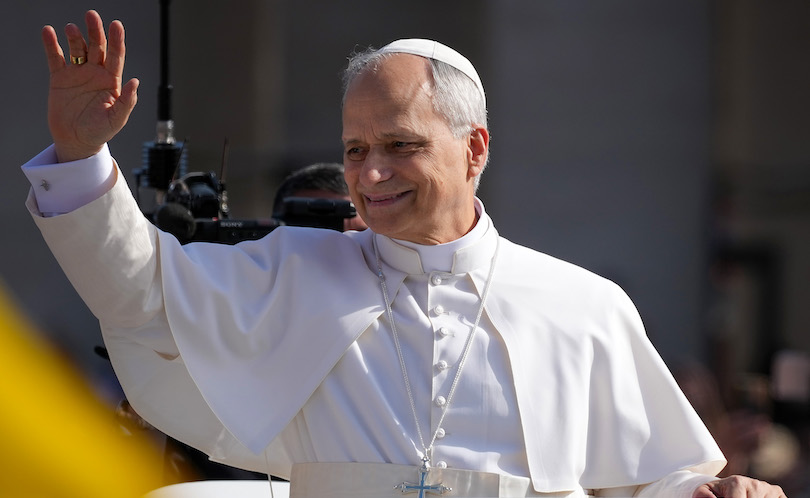
Pope Leo issued a clear prayer intention in June asking that sport lift people toward unity, and that message lands oddly amid seasonal celebrations that push very different values. This piece looks at that juxtaposition, why sports matter as a moral space, and what leaders and communities might do when culture and conviction collide.
Pope Leo is praying ‘that all sport may promote peace, fraternity and communion’. That short sentence carries a lot of weight when placed against the louder cultural moments of the month. It reads like an appeal for common ground at a time when common ground often feels scarce.
June is a month many use to celebrate identity and change, and those celebrations are visible everywhere. For people who believe in traditional social orders, that visibility can feel like a challenge rather than a conversation starter. The contrast between a call for unity and public displays that some view as provocative is stark and unavoidable.
Sports have always had a special place as a site for character building. Teams teach cooperation, fair play, sacrifice, and mutual respect in ways that classroom lectures rarely do. When leaders point to sport as a pathway to peace and fraternity, they are pointing to something practical: daily habits, shared goals, and the discipline of teamwork.
That practical side matters because it produces real outcomes. Young people who learn to put the team first are more likely to act with restraint in heated moments and more likely to respect rules and opponents. Those habits spill into civic life, where the ability to disagree without destroying relationships is in short supply.
There is nothing naive about insisting that culture and conviction can coexist. But it does require deliberate choices by parents, coaches, and civic leaders. When institutions treat sport as merely entertainment or as a platform for every trending ideology, they risk losing the deeper goods that make communities steady and resilient.
Religious leaders who speak into that space are not asking sports to become a pulpit. They are asking for moral clarity and the protection of spaces where young people can grow without constant pressure to conform to every cultural fad. A prayer for peace, fraternity, and communion is an invitation to restore sport’s role as a teacher of virtues rather than a battleground for slogans.
At a moment when messages pull in a dozen directions, communities have a choice: let sports be swept up in every shift, or reclaim them as places for formation and mutual respect. That choice will shape what adults hand to the next generation, and whether public life keeps any steady ground at all.
