The Archdiocese of Washington has cut ties with a priest who served as an exorcist after public comments linking UFOs to demonic activity, sparking debate over theology, authority, and the influence of a military intelligence background on religious claims.
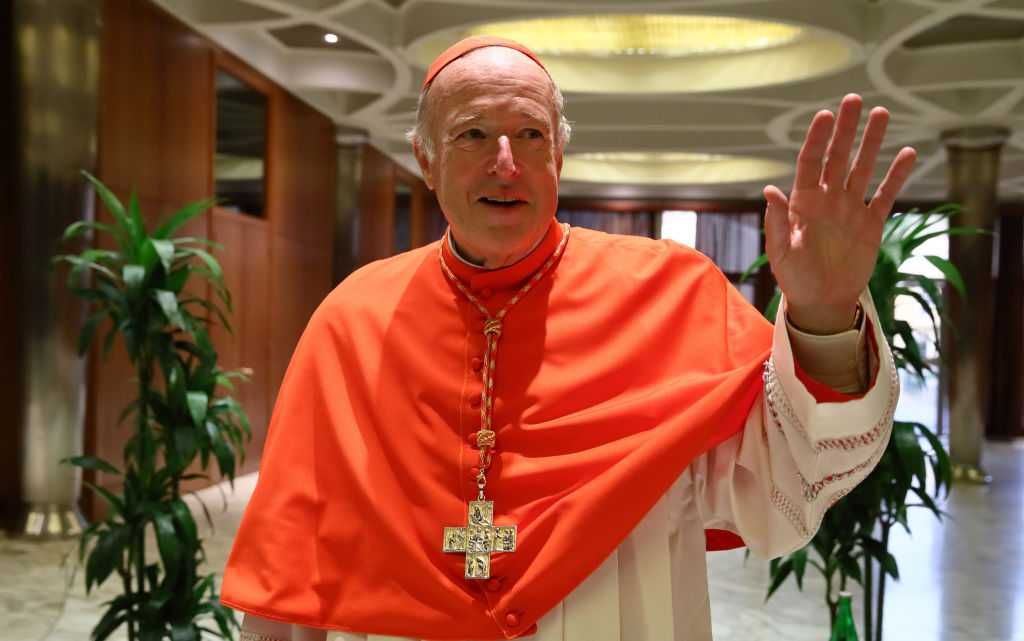
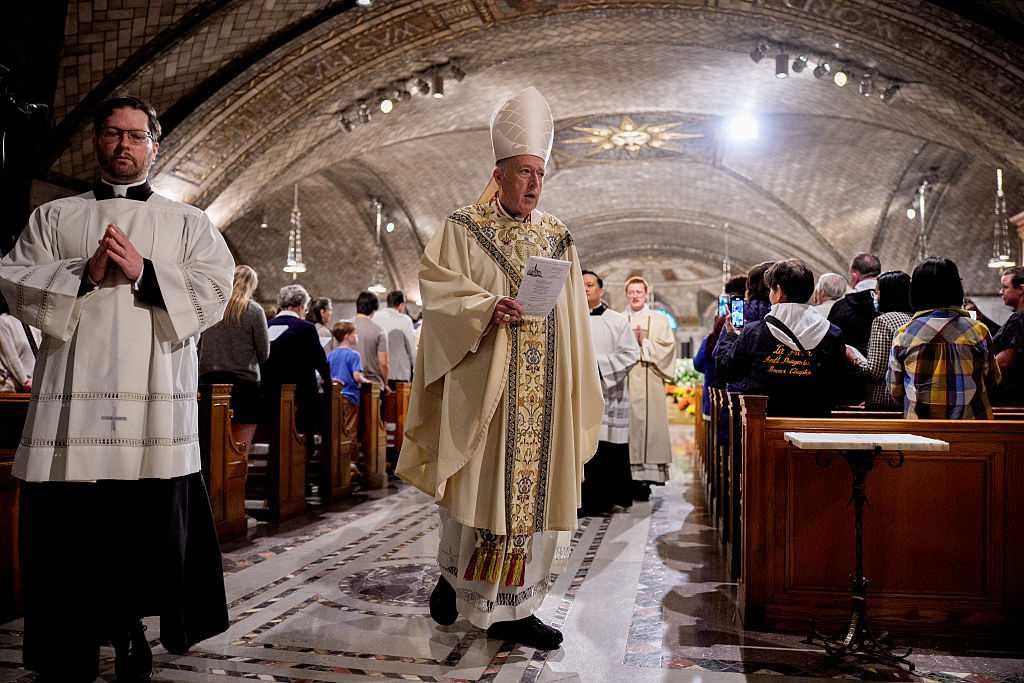
A priest known for exorcism work was removed from his role after he publicly suggested that many UFO sightings might actually be demonic encounters. The decision came from Cardinal Robert McElroy in Washington, who made the move after the priest’s remarks drew attention outside Church channels. The story quickly became a flashpoint between private belief and official teaching.
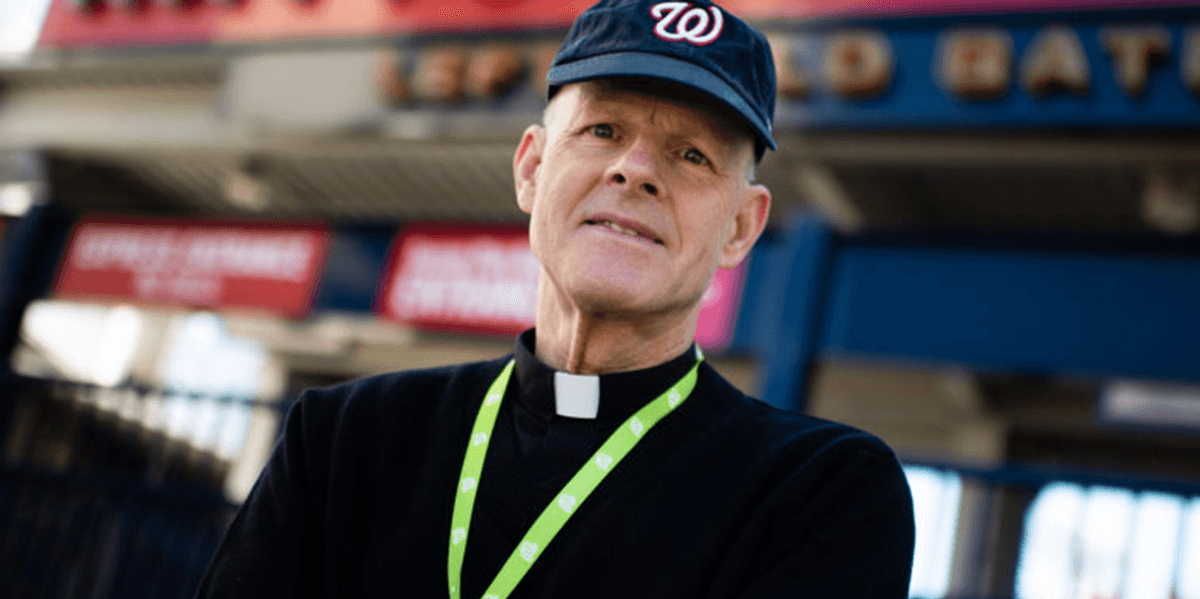
The priest, Monsignor Stephen Rossetti, has a background that includes years in Air Force intelligence, a detail that has become central to how people interpret his claims. He has described himself as a former signals intelligence officer, and that experience seems to shape the way he talks about unknown aerial phenomena. His military past adds a layer of credibility for some and a risk of overreach for others.
In a video appearance he said: “There’s no question in my mind … that probably many, if not most of these UFO sightings, are in fact demons,” that has been removed from YouTube. That line spread quickly, and the Church responded to protect the clarity of its teachings. Cardinal McElroy criticized the linkage and framed the matter as more than a difference of opinion.
Cardinal McElroy argued that Rossetti’s statements linking “UFOs to demonic presence” and his social media activity “gravely undermine the Church’s very precise teaching on the devil, demons, and exorcism.” The cardinal emphasized that exorcism is governed by strict doctrine and careful oversight, and spontaneous public speculation by an official exorcist can confuse the faithful. Church leaders stressed the need for consistency when speaking in the name of ministry.
Rossetti publicly expressed regret over the fallout, saying he was “saddened” by the decision and asking for forgiveness if he had not been faithful to the “teachings of the Church’s Magisterium.” He added, “I believe it is of the utmost importance to be obedient to the Church, and I will continue to endeavor to subject all that I do and the Center to be thus obedient.” His words mixed contrition with a pledge to remain aligned with Church authority.
Observers note the timing: talk of UFOs and UAPs has moved from fringe to mainstream, with government reports and congressional hearings raising public interest. The priest’s remarks came amid broader curiosity and bold claims by some politicians and commentators about alien technology and unexplained phenomena. That national conversation made his comments more combustible than they might otherwise have been.
https://x.com/InterstellarUAP/status/2061202167004864950?s=20
Some people see value in listening to a former intelligence officer who now practices ministry, arguing his perspective could bridge two worlds. Others worry that bringing operational or speculative claims into religious practice blurs important boundaries. The core tension is simple: how to balance an individual’s experience and interpretation with the Church’s responsibility to teach carefully and uniformly.
Beyond institutional fallout, the case shows how modern communication amplifies individual statements into public controversies. A single video clip can prompt administrative action, media storms, and intense online debate in a matter of hours. For clergy and leaders, the lesson is clear: public platforms demand careful stewardship when discussing matters tied to doctrine and public trust.
Meanwhile, broader debates about unidentified aerial phenomena continue in political and scientific circles, and public interest remains high. Figures in government have made provocative claims that add color to the conversation, but the Church’s response to one priest’s statements underscores that spiritual authorities will guard theological boundaries even as curiosity about the skies grows.