
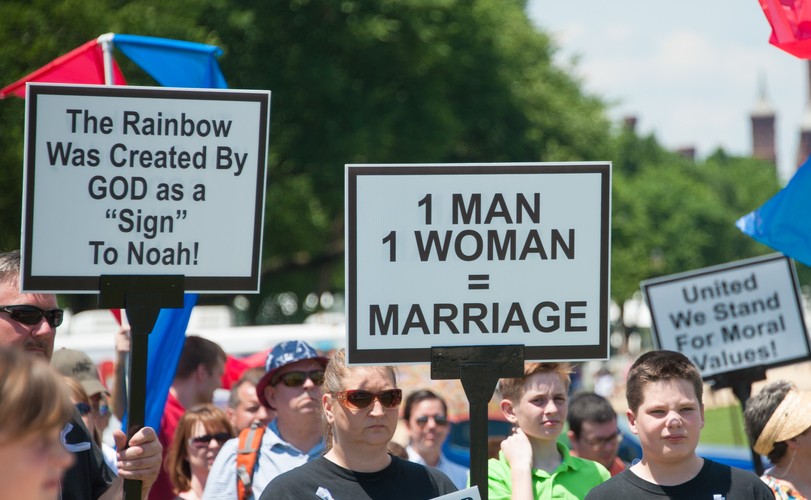
A recent snapshot of public opinion shows support for same-sex “marriage” falling by six percentage points over three years, with moral acceptance of LGBT relationships and backing for gender transitions retreating from the highs seen in the early 2020s; this piece looks at what that shift means for culture, policy, and everyday families from a conservative perspective.
Seeing a measurable drop in support is not a mystery for those paying attention to how quickly social experiments become policy priorities. People notice when experiments touch schools, hospitals, and legal systems, and many start rethinking whether rapid social change actually helps families and communities. This retreat in public sentiment signals a growing skepticism about sweeping cultural redefinitions pushed at breakneck speed.
For Republicans, the change feels like vindication of standing up for stable institutions rather than chasing the next cultural trend. Voters are pragmatic and tend to support policies that preserve privacy, religious conscience, and parental rights, not constant reinvention of social norms. That practical instinct appears to be nudging public opinion back toward cautious skepticism.
Religious liberty concerns are a big part of the story. Faith communities saw clashes over conscience protections, employment, and the right to operate according to long-held beliefs, and those clashes made abstract questions about acceptance into concrete legal fights. When a cultural shift brings legal penalties, people who once shrugged at a slogan start worrying about real consequences for neighbors, pastors, and small businesses.
Another factor is the way issues around children have become central. Conversations about gender transitions for minors, curriculum choices in schools, and classroom materials have pushed this debate into the lives of parents. When decisions affect children directly, public tolerance for sweeping changes drops fast and people demand a higher bar for policy change.
The early 2020s saw rapid endorsement for LGBT rights and gender-identity policies, often framed as a matter of civil respect and inclusion. Over time, however, many voters grew uneasy as those policies extended into areas like healthcare, sports, and public accommodations. That discomfort has translated into lower moral acceptance and waning enthusiasm for further legal changes.
It is also worth noting that political backlash can shape these trends. When institutions appear to impose changes without broad consent, democratic pushback often follows. Republicans pointing out the need for debate, caution, and respect for local decision-making have found receptive audiences among citizens who prefer gradual, debated policy shifts over top-down mandates.
Policy implications follow public opinion. Lawmakers who ignore the shift risk alienating voters who once supported rapid reform but now want guardrails. Conversely, conservative leaders who articulate a clear vision for protecting conscience, preserving parental oversight, and defending stable institutions can capitalize on that shifting mood.
The cultural debate will keep evolving, and neither side can assume public opinion is fixed. For conservatives, the moment calls for clear messaging that emphasizes respect, common sense, and the protection of vulnerable people without forcing radical social change. That approach speaks to many Americans who want civility and order more than constant cultural experiments.
Ultimately, the slide in support and acceptance underscores that major social questions need broad, patient consensus rather than rushed policy. When people feel heard and safeguards are in place, societies have a better chance of navigating change without fracturing. Republicans see this as an opportunity to press for measured reforms that respect tradition, conscience, and parental rights while keeping the peace in a pluralistic nation.
