
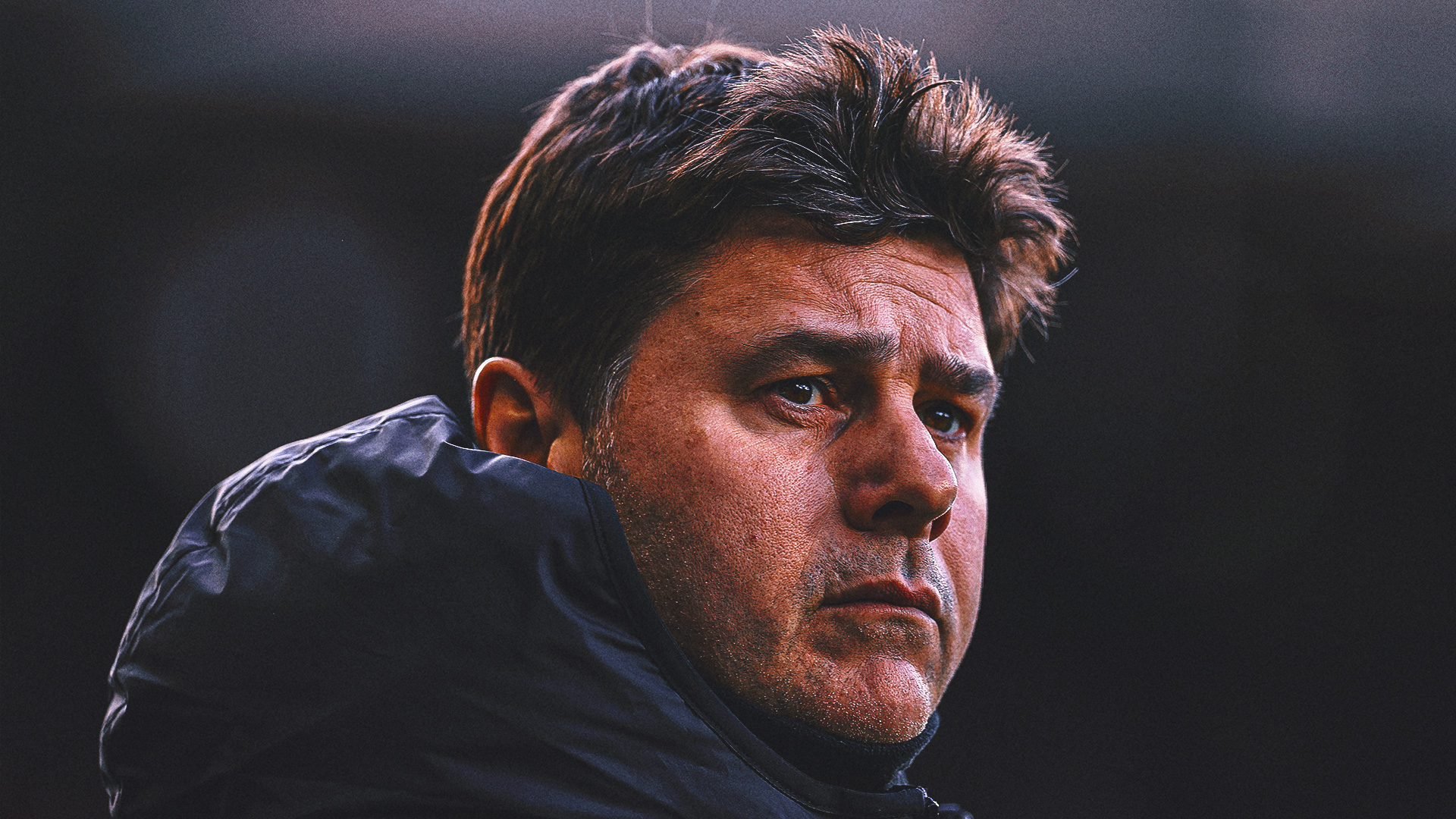
Mauricio Pochettino has admitted that he would like to return to Tottenham in the future, and that simple line has reignited a conversation among supporters, pundits, and club insiders. The idea of a popular former manager coming back sparks hope, realism, and plenty of debate about whether nostalgia or strategy should guide Tottenham’s next steps. This piece unpacks why the notion lands so strongly, what it would mean on and off the pitch, and which obstacles would stand in the way of a reunion.
“Mauricio Pochettino has admitted that he would like to return to Tottenham in the future.” Those words carry weight because they come from a coach who helped reshape a club’s identity, not merely one who collected results. Fans recall structure, clear playing principles, and a sense of togetherness that felt authentic during his time in north London.
Pochettino’s Tottenham stint is remembered for its boldness: pressing football, trust in young players, and a steady climb up the table that culminated in major European nights. He pushed a squad with limited resources into consistent contenders and into a Champions League final, which remains a landmark in the club’s modern history. That blend of toughness and personality made him more than a manager; he became a cultural touchstone for supporters.
It’s easy to see why his return appeals. A club that has experienced managerial churn could view Pochettino as a stabilizing figure who already knows the ground and the emotional architecture of the fanbase. Beyond sentiment, his methods—player development, tactical clarity, and locker-room leadership—match what many believe Tottenham needs: a sustainable identity rather than quick fixes.
Reality is messier than a headline. Modern top-tier clubs are projects defined by ownership strategy, transfer policy, and financial appetite, and a coach’s success hinges on those moving parts lining up. Pochettino would need guarantees about recruitment philosophy, control over sporting decisions, and patience to rebuild or refine a squad to his standards. Without that alignment, even a beloved return could quickly fray into frustration for all parties.
Since leaving Tottenham, Pochettino has continued to evolve tactically and professionally, picking up lessons about squad management and the demands of different leagues. That experience could make him better equipped to navigate the pressure cooker that is a Premier League title push or a Champions League campaign. Managers who return to familiar clubs often bring fresh perspective as well as emotional resonance, and that combination can be powerful if managed correctly.
There are practical hurdles that always appear when past success meets current ambition. Expectations among fans will be sky-high from day one, and the media microscope will zoom in immediately. The club’s willingness to back long-term planning with the right transfers and infrastructure investments will determine whether a reunion is romance or recipe for rapid disillusionment.
Supporters will naturally react with a mix of excitement and caution. For many, Pochettino represents a golden era of gritty, youthful football that felt true to the club’s spirit. That emotional bond matters: it can buy time and goodwill during tough patches, but it also raises the bar for what success looks like when measured against fond memories.
The prospect of Pochettino’s return is both a sentimental headline and a pragmatic question about direction. If Tottenham’s hierarchy wants identity, continuity, and a coach respected by players and fans, a reunion could make sense—but only with clear structural support behind him. Until then, the idea sits comfortably in the realm of possibility, powerful in memory and complicated in practice.
